Author: Administration

  • Raising a Family in Spain: Tips for Expat Parents

    Raising a Family in Spain: Tips for Expat Parents

    Raising a Family in Spain: Essential Tips for Expat Parents


    Thinking of raising a family in Spain? This practical guide for expat parents covers schooling, healthcare, budgeting and what day-to-day family life really looks like — so you can plan with confidence.

    Family eating lunch on a beach in Spain

    Why Spain is a great country to raise a family

    Spain is built around family life. Children are welcomed into everyday social settings rather than treated as an inconvenience, and you’ll often see families out together well into the evening. That relaxed rhythm can be a big shift for new arrivals, but it’s also one of the reasons many expat parents feel their quality of life improves quickly.

    Moreover, the climate supports outdoor living. Beaches, parks, plazas and sports facilities are widely accessible, which makes it easier for children to stay active year-round. In practice, many families find their weekends naturally fill up with simple, low-cost plans: a walk, a playground, a bike ride, or a long lunch with friends.

    Tip: If you’re looking specifically at southern Spain, our Living in Benahavís guide gives a realistic feel for day-to-day life, amenities, and family logistics.

    A child enjoying a water slide in Spain

    Residency and family visas in Spain

    Before moving, it helps to get clear on the residency route that fits your situation. Immigration options vary depending on nationality, employment plans and family circumstances, so what works for one household may not be the right fit for another.

    Common pathways for non-EU families include work-based residence, digital nomad visas and non-lucrative (passive income) residency. Once one parent has legal residency, spouses and dependent children can often join via family reunification. Parents and other dependents may also qualify in some cases, although financial thresholds are typically higher.

    Visa rules can change, so professional advice is worth considering early. If you want a clear overview, start with our Spain Visa Options guide. For families planning remote work, our updated Digital Nomad Visa income requirement (2026) resource is also helpful.

    Education and childcare for expats in Spain

    Education is often the biggest question for parents moving abroad. Spain offers several schooling routes, and your best choice depends on your children’s ages, language confidence, and how long you expect to stay.

    Public schools

    Free for residents and delivered mainly in Spanish (and sometimes a regional language). This can be ideal for younger children, who typically become fluent quickly through immersion.

    Semi-private (concertado) schools

    Partially funded by the government, with additional fees. They can offer a strong balance of structure and value, depending on the area.

    Private and international schools

    Often follow British, American or International Baccalaureate curricula and teach primarily in English. They tend to be more expensive, but many families choose them for continuity — especially if future international moves are likely.

    Childcare

    Under age three, childcare is usually paid (public or private). From age three, public preschool (educación infantil) is free, but places can be competitive in popular areas.

    Next step: If you’re considering the Costa del Sol, see our International Schools guide and the specific profile for Atalaya International College (one of the most popular options for families living around Benahavís).

    Children having fun at a school in Spain

    Healthcare and wellbeing for families

    Spain is well known for high-quality healthcare. Once registered as residents, families can access public services including paediatric care, vaccinations and routine appointments. Many expat parents find the system reassuring, particularly for everyday needs.

    That said, private health insurance is also popular — especially for quicker access to specialists and English-speaking doctors. Pharmacies are widely available too, and pharmacists are often a helpful first step for minor issues.

    Cost of living and family finances

    The cost of raising a family in Spain varies significantly by location and lifestyle. Major cities such as Madrid and Barcelona typically have higher housing costs and international school fees, while regional cities and inland areas can feel far more affordable day-to-day.

    If your move involves buying property, it’s worth understanding the “all-in” figures early. Our Purchase Costs in Andalucía and Taxes When Buying & Owning guides break down the real costs in plain English.

    Community, culture and family life

    Spanish culture values family connections. Multi-generational interaction is common, and children tend to grow up in a social environment where neighbours and extended family play an active role. For expat families, schools and local activities become the quickest way to build that support network.

    Learning Spanish, even at a basic level, makes everyday life smoother — from parent-teacher meetings to appointments and local admin. Children usually become fluent faster than adults, which helps families integrate socially and feel at home sooner.

    Tip: If you’re relocating to Benahavís, you may also like our broader overview of Benahavís areas to get a feel for the different neighbourhood “personalities” and distances.

    Choosing the Best Place for Your Family

    Spain offers a wide range of family-friendly locations — and the “best” choice often comes down to your schooling priorities, commute needs, budget, and the kind of daily routine you want. Some families prefer the energy and convenience of a city, while others want outdoor space, security, and a strong community feel.

    If you’re considering the Costa del Sol, Benahavís is popular with international families because it combines greenery, space and a peaceful setting with straightforward access to Marbella, Puerto Banús and the coast. Moreover, several residential communities here suit family life particularly well — offering gated security, pools, gardens and easy access to golf, nature and key routes.

    If you want a simple shortlist first, our guide to Best neighbourhoods for families in Benahavís is designed for exactly this decision.

    Family-friendly urbanisations in Benahavís (Costa del Sol)

    Gazules del Sol is often chosen for its established community feel, good on-site facilities and practical access to main roads. It sits within the wider La Alquería area, which many families like for its school-run practicality and connections.

    Capanes del Golf is another strong option for families who want a calmer, more resort-like setting. Explore the area overview here: Capanes del Golf.

    La Quinta is ideal if you want a polished residential area with golf nearby, good dining options and easy access to Marbella and San Pedro.
    Area guide: La Quinta.

    For a more exclusive, luxury-led lifestyle, El Madroñal stands out as one of the Costa del Sol’s most prestigious gated communities.
    Area guide: El Madroñal.

    When shortlisting areas, consider school options first, then work backwards to the right neighbourhood and home. Additionally, if you can, visit in both peak season and quieter months — some areas feel very different between summer and winter.

    A great pool for children in a gated complex in Spain

    Common mistakes families make when moving to Spain

    Many family challenges come down to timing and expectations. The most common mistake is underestimating how long admin can take, especially around school enrolment, residency paperwork and healthcare registration.

    Another common issue is choosing accommodation before understanding catchment areas or daily logistics. Finally, families often settle faster when they accept that systems and routines work differently in Spain — and lean into the change rather than resisting it.

    Helpful: Our Buyer’s Guide includes practical checklists and next steps if your move includes buying a home.

    Raising children bilingually

    One of the long-term benefits of raising children in Spain is bilingualism. Daily immersion through school, friendships and activities helps children develop strong Spanish naturally, often faster than parents expect.

    Many families find a simple approach works best: keep the home language consistent at home, and allow Spanish to develop socially. Over time, children often switch comfortably between both.

    Final thoughts

    Raising a family in Spain can be a rewarding change — more outdoor time, a stronger sense of community, and a lifestyle that often feels healthier and more balanced. However, the transition is easiest when you plan carefully around visas, schooling and your budget, and give yourselves time to adapt.

    Spain isn’t perfect, but it can offer a supportive environment for children to thrive socially, academically and culturally. With realistic expectations and the right preparation, moving with children can mark the start of a fulfilling new chapter.

    [siteorigin_widget class=”WP_Widget_Custom_HTML”][/siteorigin_widget]
  • La Zagaleta Micro-Location: Gates, Sun, Views & Living

    La Zagaleta Micro-Location: Gates, Sun, Views & Living

    La Zagaleta Micro-Location Explained: Gates, Elevation & Day-to-Day Living

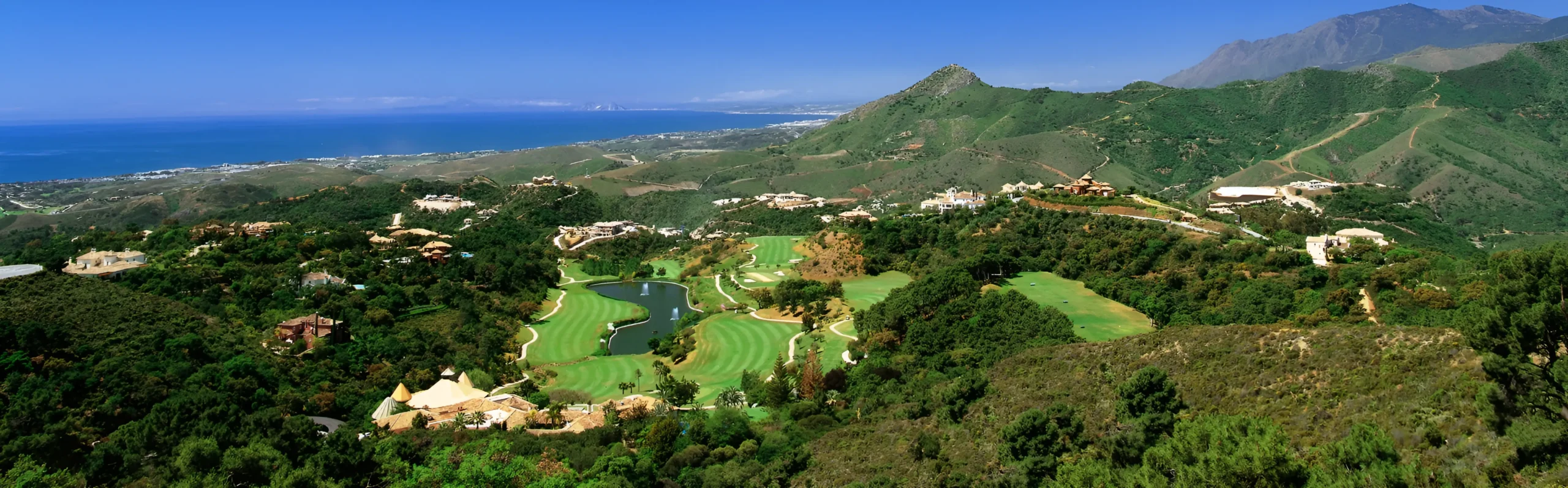
    La Zagaleta estate in Benahavís with hillside villas and protected landscape

    One of the most useful things to understand about La Zagaleta is that it’s not a “single experience”. The estate is vast and varied, and micro-location plays a bigger role here than in most other areas of Benahavís.

    Two villas can both be “La Zagaleta” and still live very differently: different gate routes, different winter sun, different wind exposure, and very different day-to-day drive times. This guide explains what micro-location means in practice — and how to use it to choose the right home, not just the right listing.

    What “micro-location” really means in La Zagaleta

    In many Costa del Sol neighbourhoods, buyers can judge location mainly by postcode, proximity to the beach, or walking distance to amenities. In La Zagaleta, the estate itself is the destination — so the meaningful differences are often inside the gates.

    Micro-location is the combination of access route, elevation, orientation, privacy and day-to-day convenience. These factors influence not only how a home feels to live in, but also how it performs long-term when it comes to desirability and resale.

    Gate access and the “daily direction” question

    Owners naturally fall into a rhythm based on where they go most often — school runs, supermarkets, restaurants, beaches, golf outside the estate, or quick trips to Marbella and Puerto Banús. That rhythm is heavily shaped by gate access and where a villa sits within the internal road network.

    The practical takeaway is simple: before you fall in love with a house, decide which direction you need to optimise. A home that looks perfect on paper can feel “far” if it adds time to your daily route, while another villa deeper in the estate might feel effortless if it aligns with how you actually live.

    Elevation, views and what they cost in real life

    Elevation is one of La Zagaleta’s great advantages. Higher positions often unlock broader view corridors and a stronger sense of privacy. However, elevation also comes with trade-offs — and it’s worth being honest about them early.

    For example, higher-up homes can be more exposed to wind, and some positions feel cooler in winter evenings. None of this is a dealbreaker, but it does influence how terraces are used, where outdoor seating works best, and whether you’ll naturally gravitate to certain parts of the home at different times of year.

    This is why we always recommend viewing with context: not just “Is the view beautiful?”, but “Will you use this terrace in February?” and “Does the plot feel calm on a windy day?”

    Orientation and winter sun (the comfort factor many buyers miss)

    In a private estate where you spend significant time at home, sunlight becomes part of comfort. Orientation affects morning light, afternoon warmth, and how usable outdoor living areas feel across the seasons.

    A villa with a similar build size and finish can feel dramatically more inviting if its key terraces and living spaces catch the right winter sun. Equally, some buyers prefer cooler, shaded plots in summer — especially if they spend more time here in peak months. The “best” orientation depends on your lifestyle calendar.

    Privacy: plot shape, neighbours and “felt distance”

    La Zagaleta is known for privacy, but privacy isn’t uniform. Plot shape, vegetation maturity, building position and neighbouring sightlines all affect how secluded a home feels.

    Sometimes the most private villa isn’t the one with the biggest plot — it’s the one that sits correctly on the land, with the right setbacks, natural screening and terrace placement. This is also where older properties can outperform newer ones: mature landscaping can be priceless.

    How micro-location influences pricing and long-term demand

    Micro-location is one of the main reasons La Zagaleta pricing can vary sharply even between homes that look comparable in photos. Buyers tend to pay premiums for positions that combine: strong views, practical access routes, usable outdoor living, and a feeling of privacy that holds up when you’re actually on the terrace.

    If you’re comparing options, it helps to think in layers: finish and design are important, but the underlying micro-location is what you can’t change later. Renovations can improve layout and efficiency. You can’t move the gate route, the orientation, or the view corridor.

    A simple way to shortlist (without over-analysing)

    Micro-location can sound technical, but the decision can be kept simple. Start with your “daily direction”, then test each villa against comfort and convenience. If a home passes those two tests, the rest becomes much easier.

    If you want a quick checklist, focus on these three questions:

    • Does the access route suit my real routine (school, beach, dining, services)?
    • Do the main terraces and living areas work across the seasons I’ll be here?
    • Does the privacy feel genuine when you’re outside, not just inside?

    Answer those honestly, and you’ll avoid most of the common regrets buyers experience when they choose based on photos alone.

    Related guides for La Zagaleta buyers

    If you’re building a shortlist, these pages sit together as a single “La Zagaleta decision pack”:

    Ready to view with context? You can explore current villas for sale in La Zagaleta here, or request a curated shortlist tailored to your routine, preferred views and privacy level.

    [siteorigin_widget class=”WP_Widget_Custom_HTML”][/siteorigin_widget]
  • Buying Property in La Zagaleta: What Buyers Should Know

    Buying Property in La Zagaleta: What Buyers Should Know

    Buying Property in La Zagaleta: What’s Different and What to Know Before You Buy

    La Zagaleta estate in Benahavís showing hillside luxury villas and landscape

    La Zagaleta is a private estate, not just a gated urbanisation

    La Zagaleta functions as a large, privately managed estate rather than a conventional residential development. Access is controlled at the gates, internal roads are private, and the estate operates under its own community governance with strict rules designed to protect privacy, security and long-term character.

    For buyers, this means that ownership comes with additional layers of regulation and coordination. These aren’t obstacles — but they are differences that should be understood early, particularly if you’re comparing La Zagaleta with areas such as El Madroñal or La Quinta. For an overview of the estate and current listings, see our La Zagaleta area guide.

    Estate rules, approvals and why they matter

    La Zagaleta places strong emphasis on preserving the estate’s low density and visual consistency. As a result, certain activities that might be straightforward elsewhere require formal approval here.

    This can include:

    • New construction or significant renovation projects
    • Changes to exterior appearance or boundary treatments
    • Access modifications, driveways or plot reconfiguration

    The practical implication is simple: properties with approved designs, completed builds, or compliant renovations often carry a premium — not just for the finish, but for the certainty they offer.

    Turnkey villas vs renovation opportunities

    Buyers in La Zagaleta generally fall into two broad camps. Some prioritise turnkey, modern homes where everything is resolved before completion. Others see value in older villas on exceptional plots, planning to upgrade layout, efficiency and design over time.

    Both approaches can work — but renovation timelines, approval processes and build access should be factored into your decision. In La Zagaleta, “how easily a project can be executed” is often just as important as the purchase price itself.

    Memberships and how they relate to ownership

    Purchasing a home in La Zagaleta does not automatically include club membership. Golf and social memberships are optional and subject to separate application and fees.

    This distinction matters during due diligence. Some buyers assume membership is bundled with ownership, while others deliberately choose properties without any intention of joining. Understanding how memberships work — and what transfers or doesn’t — avoids surprises later. (We cover this in detail in our guide to La Zagaleta community fees and memberships.)

    Micro-location: why two La Zagaleta homes can live very differently

    One of the most important — and least obvious — aspects of buying in La Zagaleta is micro-location. The estate is vast, and factors such as elevation, orientation and gate access have a real impact on daily life.

    Two villas may share a similar price point yet differ meaningfully in winter sun, wind exposure, privacy levels or daily drive times. These nuances don’t always show up in listings but become immediately apparent once you start living there. For a practical breakdown, see La Zagaleta micro-location explained.

    Off-market property and why it matters in La Zagaleta

    La Zagaleta has one of the strongest off-market cultures on the Costa del Sol. Many owners prefer discretion, and some of the best-positioned homes never appear on public portals.

    For serious buyers, this means that relying solely on public listings can give an incomplete picture of what’s actually available. Access to off-market opportunities is often relationship-driven and time-sensitive.

    Common buyer mistakes (and how to avoid them)

    The most common missteps we see aren’t about price — they’re about assumptions. Buyers sometimes underestimate drive-time differences, overlook renovation constraints, or focus on headline specifications rather than how the home actually lives day to day.

    Taking time to understand the estate, viewing with context, and planning beyond the purchase itself usually leads to a much more satisfying long-term outcome.

    Is La Zagaleta right for you?

    La Zagaleta suits buyers who value privacy, space and long-term consistency over convenience and walkability. It works particularly well for those who spend meaningful time in residence and want a true estate environment rather than a resort setting.

    If you’re weighing La Zagaleta against other gated communities, our comparison guide La Zagaleta vs El Madroñal vs El Herrojo Alto can help clarify which environment fits your priorities best.

    You can explore current villas for sale in La Zagaleta here, or request a curated shortlist (including off-market options) tailored to how you plan to live. For broader buying guidance, see our Resources & Buyer Guides.

    [siteorigin_widget class=”WP_Widget_Custom_HTML”][/siteorigin_widget]
  • Los Flamingos vs La Quinta: which Benahavís area suits you best?

    Los Flamingos vs La Quinta: which Benahavís area suits you best?

    Los Flamingos vs La Quinta: which Benahavís area suits you best?


    Golf course and mountain views in Benahavís, comparing La Quinta and Los Arqueros

    Los Flamingos and La Quinta are two of the most established golf-led residential areas in Benahavís. On paper, they can look similar: elevated positions, green surroundings, strong views and proximity to Marbella and the coast.

    In reality, they feel quite different to live in. The choice often comes down to lifestyle rhythm, architecture, and how much “resort” versus “residential” atmosphere you want day to day.

    This comparison is designed to help you understand those differences — and decide which area fits your priorities best.

    Setting and first impressions

    Los Flamingos sits higher above the coast, close to Villa Padierna and the New Golden Mile. Many homes enjoy wide, open views — often combining golf, lake and Mediterranean panoramas. The overall feel is refined and spacious, with generous plots and a sense of separation from busier areas.

    La Quinta feels more integrated into daily life. It’s set closer to San Pedro and Nueva Andalucía, with golf woven through a network of established residential communities. Views are still a major feature, but the area feels more “lived-in” than resort-oriented.

    Lifestyle and day-to-day living

    La Quinta suits buyers who want an easy routine. School runs, supermarkets, sports clubs and coastal amenities are all close at hand. It’s common for residents to live here full-time, mixing work, family life and leisure without feeling remote.

    Los Flamingos, by contrast, feels calmer and more self-contained. Life here is quieter, with a stronger emphasis on privacy, views and home-based living. Many owners split their time between Spain and elsewhere, using their property as a refined retreat rather than a daily base.

    Property types and architecture

    La Quinta offers one of the widest property mixes in Benahavís. Apartments and townhouses sit alongside established villa communities such as El Herrojo and Reserva de La Quinta. This variety is a big reason for its broad appeal.

    Los Flamingos is more villa-led. While there are some high-quality apartment developments, the area is best known for large plots, grand homes and architectural statements — often designed to maximise views and privacy.

    Access, schools and convenience

    La Quinta has the edge for everyday convenience. International schools, San Pedro town, Puerto Banús and Marbella are all within short, predictable drive times, which is why the area is popular with families and permanent residents.

    Los Flamingos is still well connected, but daily life tends to be more car-dependent. The trade-off is a quieter environment and less through-traffic, which many buyers actively prefer.

    Resale, demand and long-term appeal

    La Quinta benefits from broad, consistent demand. The range of property types supports steady resale liquidity, particularly for well-located apartments and family homes.

    Los Flamingos tends to attract a narrower but highly committed buyer profile. Homes may take longer to sell, but strong views, plot size and positioning can support long-term value, especially in the upper segments.

    Which area suits you best?

    Choose La Quinta if you want a balanced, residential environment with easy access to schools, amenities and the coast — and a choice of apartments, townhouses and villas.

    Choose Los Flamingos if you prioritise privacy, elevation, views and a quieter pace of life, and are comfortable trading everyday convenience for space and setting.

    Explore each area in more detail:

    La Quinta area guideLos Flamingos area guide

    For practical guidance on daily life, schools, visas and buying property in Spain, explore our Resources & Buyer Guides.

    [siteorigin_widget class=”WP_Widget_Custom_HTML”][/siteorigin_widget]
  • Los Flamingos: refined golf-led living in Benahavís

    Los Flamingos: refined golf-led living in Benahavís

    Los Flamingos: refined golf-led living in Benahavís

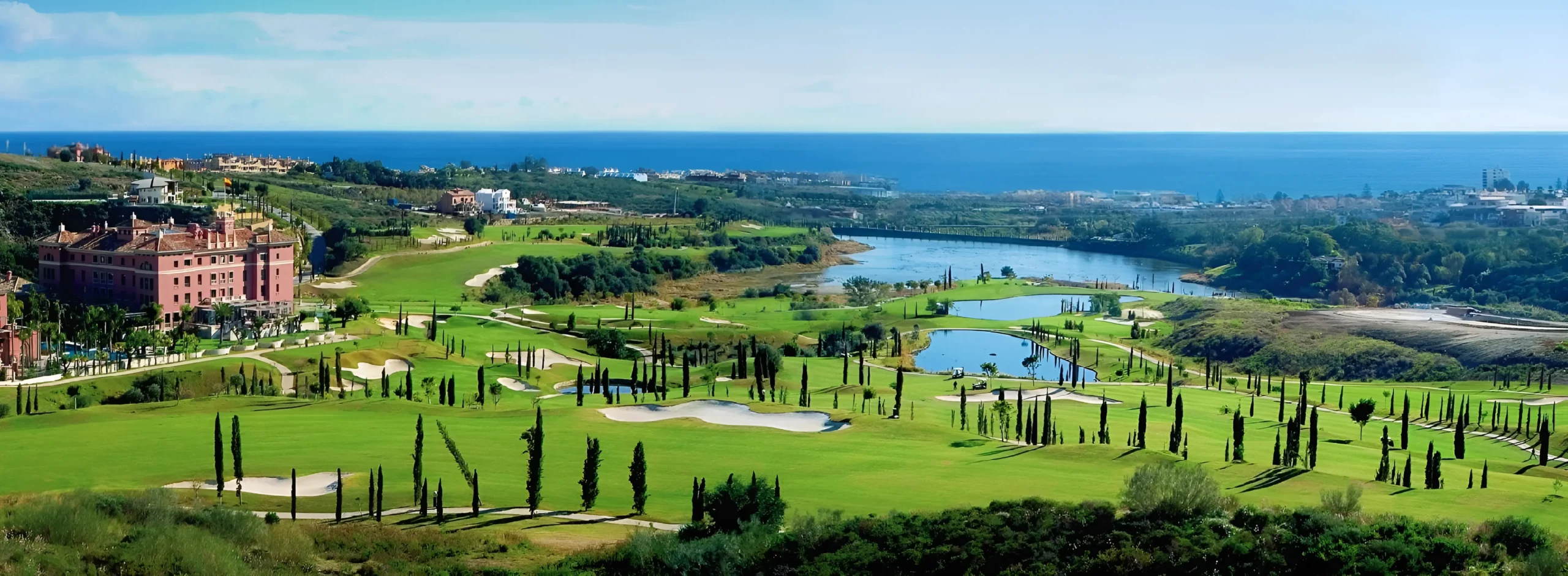
    Los Flamingos golf course and Villa Padierna views in Benahavís

    Los Flamingos occupies a distinctive position within Benahavís. Set around a trio of championship golf courses and anchored by the Villa Padierna Hotel, it offers a more polished, resort-style interpretation of hillside living — closer to the coast, and more overtly luxury-led than many inland communities.

    It’s an area that appeals to buyers who value aesthetics, service and open views, while still wanting the security and space associated with Benahavís rather than beachfront density.

    This guide looks at what living in Los Flamingos actually feels like day to day — who it suits best, how it differs from other Benahavís areas, and why it continues to attract international demand.

    For a full overview of neighbourhoods, amenities and current listings, see our Los Flamingos area guide.

    Location, elevation and access

    Los Flamingos sits just inland from the New Golden Mile, above Cancelada and the eastern edge of Estepona. This positioning gives many homes long, open views across golf fairways, lakes and the Mediterranean — often with sunsets that stretch along the coastline.

    Despite its elevated feel, access is straightforward. The A-7 and AP-7 place Marbella, Puerto Banús and Estepona within easy reach, while Málaga Airport is typically under an hour by car.

    For buyers who want a sense of retreat without feeling remote, this balance is one of Los Flamingos’ key strengths.

    Character and overall atmosphere

    Los Flamingos feels deliberately composed. Roads are wide, landscaping is mature, and architecture tends to be cohesive rather than mixed. The presence of the Villa Padierna complex sets the tone — elegant, calm and quietly upscale.

    Compared with more residential golf areas, Los Flamingos leans toward a resort-influenced lifestyle. Properties often prioritise views, terraces and visual impact, and many developments are designed around privacy and service rather than community buzz.

    It’s a place that suits buyers who enjoy space and serenity, but also appreciate refinement and visual order.

    Golf, wellness and lifestyle

    Golf is central to life in Los Flamingos. The area is built around three courses, offering variety for regular players and a strong visual presence even for non-golfers. Lakes, fairways and open greens are part of the everyday outlook.

    The nearby hotel and spa facilities add another layer, with dining, wellness and hospitality services available without the area feeling transient or tourist-heavy.

    For many residents, the appeal lies in this combination: peaceful residential living with optional access to high-end amenities when desired.

    Property types and architecture

    Los Flamingos is predominantly villa-led, particularly at the upper end of the market. Homes tend to be generous in scale, with a strong emphasis on terraces, pools and uninterrupted views.

    There are also high-quality apartment and penthouse developments, typically positioned to maximise outlook and privacy. These often attract buyers seeking a lower-maintenance alternative without compromising on setting.

    Architectural styles range from classic Mediterranean to contemporary, but quality of finish and visual harmony are consistent themes.

    Who Los Flamingos suits best

    Los Flamingos tends to attract buyers looking for a more refined, view-driven lifestyle rather than a busy, family-centric neighbourhood. It works particularly well as a second-home base or long-term lifestyle investment.

    Owners often prioritise privacy, aesthetics and ease of access to the coast over walkability or community-led living.

    For buyers comparing different parts of Benahavís, Los Flamingos sits at the more polished, resort-oriented end of the spectrum.

    How it compares within Benahavís

    Compared with inland areas such as La Quinta or Los Arqueros, Los Flamingos feels more outward-looking — visually and geographically — with stronger coastal connections and a higher concentration of prestige homes.

    Against hillside estates like El Madroñal, it trades forest seclusion for openness, sea views and easier day-to-day access.

    These distinctions matter, and choosing between them often comes down to lifestyle rhythm rather than price alone.

    In summary

    Los Flamingos offers a composed, golf-led environment with a distinctly refined character. It combines views, privacy and access in a way few areas on the Costa del Sol manage to balance.

    For buyers drawn to elegance, open space and long-term lifestyle value — without the intensity of frontline coastal living — it remains one of Benahavís’ most quietly confident choices.

    [siteorigin_widget class=”WP_Widget_Custom_HTML”][/siteorigin_widget]
  • La Quinta vs Los Arqueros: Which Benahavís Area Suits You?

    La Quinta vs Los Arqueros: Which Benahavís Area Suits You?

    La Quinta vs Los Arqueros: which Benahavís area suits you best?


    Golf course and mountain views in Benahavís, comparing La Quinta and Los Arqueros

    La Quinta and Los Arqueros are two of the most frequently compared residential areas in Benahavís. Both are golf-led, hillside communities with strong international appeal — yet they feel quite different once you spend time in them.

    This guide isn’t about which area is “better”. It’s about which one fits your priorities — whether that’s convenience, views, community feel, budget, or how you expect to live day to day.

    Setting and first impressions

    La Quinta sits closer to Marbella and San Pedro, wrapped around a long-established golf course and resort-style setting. It feels polished, calm, and gently residential — more “country club” than countryside.

    Los Arqueros feels slightly more self-contained and village-like. Set a little further inland, it has a stronger sense of community, with a central clubhouse, sports facilities, and a layout that encourages neighbours to cross paths.

    Accessibility and daily convenience

    La Quinta generally wins on convenience. The drive to San Pedro, international schools, beaches and the AP-7 is straightforward, which matters if you’re commuting, doing school runs, or using the home regularly rather than seasonally.

    Los Arqueros is still well connected, but daily journeys tend to be a little longer. Many residents don’t mind — especially those prioritising tranquillity over speed — but it’s a real-world difference worth factoring in.

    Property styles and pricing patterns

    Both areas offer apartments, townhouses and villas, but the mix feels different. La Quinta has a strong supply of apartments and penthouses in gated developments, many with lift access, parking and managed communal spaces.

    Los Arqueros offers a broader spread of price points and property styles. Entry prices can be slightly lower, particularly for apartments, and villas often offer generous space relative to price — appealing to buyers looking for value rather than polish.

    Lifestyle and atmosphere

    La Quinta tends to suit buyers who want an easy rhythm: golf, gym, lunch on the coast, back home without a long drive. It’s popular with second-home owners and downsizers who value comfort and predictability.

    Los Arqueros often attracts full-time residents and families who like the sense of belonging. The sports club, social areas and layout create a more lived-in feel — less resort, more neighbourhood.

    Which area tends to suit which buyer?

    In simple terms, La Quinta often suits buyers who prioritise access, views, and a refined environment, even if that means slightly higher entry prices or community fees.

    Los Arqueros tends to suit buyers who value space, community feel, and long-term liveability, and who are comfortable trading a few extra minutes’ drive for a more relaxed pace.

    How to choose between them

    If possible, visit both areas on the same day. Pay attention not just to the homes, but to how the drive feels, where you’d shop, and how much time you expect to spend “going out” versus staying local.

    Two buyers can view the same areas and reach opposite conclusions — and both can be right. The key is matching the area to your routine, not just your budget.

    For practical guidance on daily life, schools, visas and buying property in Spain, explore our
    Resources & Buyer Guides.

    Explore homes in La Quinta and Los Arqueros

    If you’re weighing these two areas and want a clear, side-by-side shortlist based on how you’ll actually live, we’re happy to guide you.

    View La Quinta →  |
    View Los Arqueros →

    [siteorigin_widget class=”WP_Widget_Custom_HTML”][/siteorigin_widget]
  • La Quinta: golf-led living in Benahavís

    La Quinta: golf-led living in Benahavís

    La Quinta: golf-led living in Benahavís


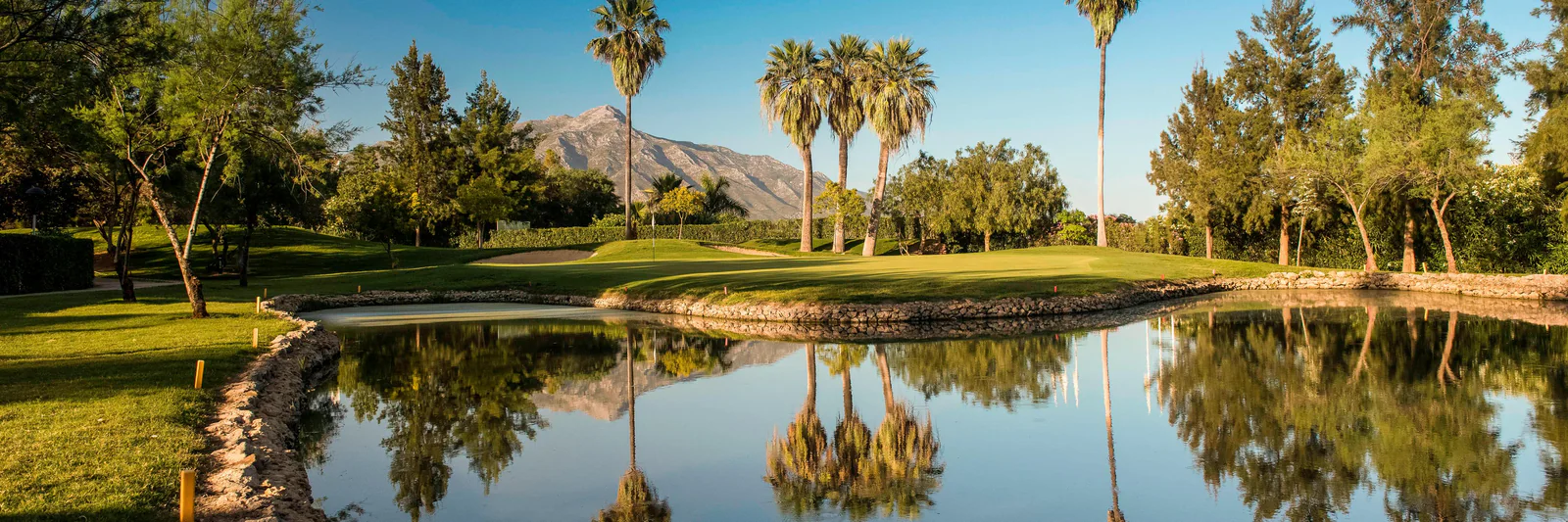
    La Quinta Golf in Benahavís with La Concha mountain reflected across the lake

    La Quinta is one of those places where golf shapes the landscape — but not the entire lifestyle. While the fairways and lakes are central to its character, what draws people to live here is the balance between greenery, views and everyday convenience.

    Set in the Benahavís hills just above Marbella, La Quinta feels calm and established rather than resort-like. Homes are woven around the course rather than imposed on it, which gives the area a residential rhythm that works year-round.

    If you’re considering a golf-led location but don’t want to feel isolated or transient, La Quinta often sits near the top of the shortlist.

    What “golf-led living” really means in La Quinta

    In La Quinta, golf is part of daily life — but not in an overpowering way. Many homes look onto fairways or lakes, which creates open sightlines and a sense of space that’s hard to replicate elsewhere.

    Even for non-golfers, the course brings practical benefits: lower density, protected views, and well-maintained surroundings. Morning walks, evening light over the greens, and cooler summer air are all part of the experience.

    It’s less about being “on a golf resort” and more about living alongside a landscape that happens to be beautifully kept.

    Landscape, light and views

    One of La Quinta’s defining features is its setting. The area sits in a natural bowl between the Benahavís hills and the Sierra Blanca, with La Concha mountain forming a dramatic backdrop.

    Depending on elevation and orientation, homes can enjoy golf views, mountain scenery, lakes, and — in some cases — open Mediterranean vistas. South and south-west facing properties tend to be particularly sought after for light and winter sun.

    This mix of outlooks is one reason prices and demand vary noticeably between nearby communities.

    Homes and community feel

    La Quinta isn’t dominated by one property type. Instead, you’ll find a blend of apartments, townhouses and villas spread across a number of distinct communities.

    Many apartment developments are gated, with landscaped gardens and shared pools, making them practical for both full-time living and lock-up-and-leave use. Villas, meanwhile, tend to sit on larger plots with privacy and views as the priority.

    What ties it together is a settled, international community — not a seasonal resort atmosphere.

    Location, access and daily convenience

    La Quinta’s position is one of its strongest practical advantages. You’re typically 10–15 minutes from San Pedro, Puerto Banús and the beaches, with straightforward routes rather than long mountain drives.

    International schools, supermarkets, medical services and sports facilities are all within easy reach, which makes La Quinta popular with families and year-round residents.

    Most households rely on a car, but compared with more remote hillside areas, day-to-day logistics here feel simple.

    Who La Quinta suits best

    La Quinta tends to appeal to buyers who value environment and lifestyle, but still want easy access to the coast and amenities.

    It works particularly well for couples and families looking for a calm base, golfers who want regular access without living in a resort bubble, and buyers who plan to use their home frequently rather than occasionally.

    It’s also a common choice for those downsizing from larger villas while staying in a premium setting.

    Related reading & next steps

    If you’re weighing La Quinta against other Benahavís neighbourhoods, it’s worth understanding how daily life, pricing and community feel differ between areas.

    For practical guidance on daily life, schools, visas and buying property in Spain, explore our Resources & Buyer Guides.

    Explore homes in La Quinta

    If you’d like help comparing specific La Quinta communities — whether your priority is views, sun, low running costs or proximity to golf — we can point you in the right direction.

    View the La Quinta area guide →

    [siteorigin_widget class=”WP_Widget_Custom_HTML”][/siteorigin_widget]
  • Carnival Season in Málaga — 2026 Guide (Plus Marbella, Benahavís & Estepona)

    Carnival Season in Málaga — 2026 Guide (Plus Marbella, Benahavís & Estepona)

    Carnival Season in Málaga — 2026 Guide

    (Plus Marbella, Benahavís & Estepona)


    Just when it feels like the Costa del Sol has finally exhaled after Christmas and Three Kings, Andalucía proves it has another gear. Carnival season arrives with sequins, satire and street music — and it’s less about watching a “show” than joining in. You’ll see families in costumes at lunchtime, friends drifting between plazas at night, and local singing groups turning everyday life into theatre.

    What’s on in Málaga Carnival 2026 poster

    Why Carnival feels so “Andalucía”


    Carnival has deep roots across Spain as the playful build-up to Lent, but in Andalucía it has a very particular flavour: humour, wordplay and community participation. The stars of the season are the chirigotas and comparsas — singing groups who perform witty, often satirical songs that comment on daily life, culture and politics. Some performances are polished and competitive; others are spontaneous, unfolding in the streets when you least expect it.

    Málaga Carnival 2026


    Málaga is the big, easy-to-reach Carnival choice for much of the Costa del Sol. You can do it spontaneously (an evening in the historic centre), or plan around the headline dates if you want the full experience. In 2026, the season builds from the singing competition into the main street celebrations, finishing with the much-loved closing traditions.


    1) The COAC (singing groups competition) — the “brains” of Carnival
    If you love wordplay and local humour, try to catch at least one COAC night. It’s where the best groups compete and where many of the jokes and songs you’ll later hear in the streets begin their life. Tickets and details are published through Teatro Cervantes and the official Carnival channels.


    Key COAC dates (2026): Semifinals run from 1–4 February, with the Grand Final on 6 February (Teatro Cervantes).
    Useful links: Teatro Cervantes listings  |  COAC 2026 ticket info

    COAC contest at Teatro Cervantes during Málaga Carnival 2026

    2) The street celebrations — the “heart” of Málaga Carnival
    Once the competition wraps up, Carnival becomes a street festival. You’ll find performances and events across the centre (and often in neighbourhoods too), with daytime family moments and livelier evenings. If you only do one day, aim for a Saturday afternoon into evening — it’s the easiest way to absorb the atmosphere without over-planning.


    Street programme period (2026): The main street Carnival runs 7–15 February, with standout moments including the Drag Gala / Battle of Flowers and the closing Boquerón traditions.

    Official programme links: Carnaval de Málaga site  |  Entierro del Boquerón listing

    A simple “best day” plan for Málaga


    If you want Carnival without stress, keep it simple: arrive mid-afternoon, wander through the historic centre, follow the sound of music, and leave yourself time for tapas. Málaga Carnival is at its best when you let it unfold in front of you.


    Easy itinerary: early dinner in the centre → a plaza performance → a slow walk down Calle Larios → a final drink near the old town before heading back along the coast.

    Carnival nearby: Marbella, Benahavís & Estepona


    One of the joys of Carnival season is how each town does it differently. Málaga has scale and buzz, while the coastal municipalities often feel more local and family-led — still lively, but easier to enjoy with children or as an early-evening plan.


    Marbella
    Marbella’s Carnival usually blends community events and theatre nights with a short burst of street celebration later in the month. In 2026, you’ll see organised events earlier (such as Carnival group competitions), and then the main celebration dates published for the town towards the end of February.
    Useful links: Marbella Carnival dates  |  Concurso de agrupaciones (11–12 Feb)  |  Final (20 Feb)


    Benahavís
    Benahavís tends to keep Carnival intimate and community-led — the kind of event where families show up in costume, neighbours recognise each other, and the village feels especially warm. Dates and timings are often confirmed close to the day, so it’s worth checking official channels before you plan.
    Check updates: Ayuntamiento Facebook  |  Ayuntamiento Instagram


    Estepona
    Estepona’s Carnival is a great “two-day” option if you want a lively programme that’s still easy to navigate. In 2026 it runs on 7–8 February, with daytime performances, contests and a big evening programme (including the Drag Queen Gala).
    Official details: Ayuntamiento programme

    Málaga Carnival 2026 parade atmosphere with costumes and daytime celebrations

    Practical tips (so you enjoy it like a local)


    Wear comfortable shoes, bring a light layer for the evening, and don’t over-plan. If you’re heading to Málaga on a peak day, arrive a little earlier than you think — the centre fills up fast. And if you want the culture behind the costumes, book one COAC night and you’ll start catching the jokes everywhere else.

    For more seasonal ideas around Benahavís (events, weather and weekend plans), you can also browse our What’s On in Benahavís hub. And if you’re pairing Carnival with a food-focused day out, our dining guide is a great place to start.

    More events coming soon


    If you’re visiting and want a quick recommendation (best day to go, easiest parking, or which Carnival suits your vibe), email us at info@benahaviscollection.com and we’ll point you in the right direction.

    Two Málaga Carnival performers in ornate feathered masks and dramatic face paint

    Málaga Carnival street performance with colourful costumes, confetti and streamers

    [siteorigin_widget class=”WP_Widget_Custom_HTML”][/siteorigin_widget]
  • Buying on the Costa del Sol in 2026: 11 Key Steps

    Buying on the Costa del Sol in 2026: 11 Key Steps

    [siteorigin_widget class=”WP_Widget_Custom_HTML”][/siteorigin_widget]

    11 Key Steps to Buy a Home on the Costa del Sol in 2026 (As a Foreigner)


    Buying property on the Costa del Sol as a foreigner in 2026 is straightforward when you follow the right order. In Andalucía (Marbella, Benahavís, Estepona and the wider Málaga coast), the journey is typically: agree your budget, appoint an independent lawyer, organise NIE + banking, protect your exchange rate, complete due diligence, then sign at the notary.

    The process is broadly similar for EU and non-EU buyers. The main differences tend to be mortgage criteria and residency planning. Notably, Spain’s property-linked “Golden Visa” route was abolished (applications closed in April 2025), so non-EU buyers now usually compare options like the Digital Nomad Visa or the Non-Lucrative Visa depending on lifestyle and income structure.


    View of the sea and mountains from a villa with a pool - the Benahavis Lifestyle


    Step 1) Clarify your plan: lifestyle, location and timeline


    Before paperwork begins, get clear on how you’ll use the home. A winter-sun base near golf has different priorities to a full-time relocation with schools, or an investment-led purchase with rental goals.

    On the Costa del Sol, your shortlist usually tightens quickly once you decide what matters most: walkability vs views, beach access vs hillside privacy, village charm vs resort convenience, and how close you want to be to Málaga Airport.

    Step 2) Set a true budget (price + purchase costs + setup)


    One of the most common surprises for overseas buyers is that Spanish listing prices don’t include transaction taxes and fees. As a practical guide in Andalucía, allow roughly ~10% on top for a resale (ITP + typical fees) and ~12–13% for a new build (IVA + AJD + fees), then refine once your lawyer confirms the exact case.

    If you want a clear breakdown with examples, see:  Purchase Costs in Andalucía (2026).


    Keys to a new home on a Costa del Sol beach

    Step 3) Appoint an independent property lawyer early


    Start with an independent Spanish property lawyer who acts for you (not the agent or the seller). They’ll verify ownership and charges, review contracts, coordinate the notary, and confirm the real costs and timeline.

    Many foreign buyers also grant a Power of Attorney so their lawyer can handle admin (banking, tax forms, registry filings) if travel dates are tight. It’s common on the Costa del Sol because buyers often purchase while living abroad.

    Step 4) If you need finance, get mortgage guidance before you reserve


    If you’re using a Spanish mortgage, speak to a bank or mortgage broker early so you understand realistic loan-to-value and documentation requirements. As a broad rule, resident buyers can often borrow up to around 80% of the property value, while non-residents are typically closer to 60–70% (subject to profile, property type, and bank policy).

    For a Costa del Sol-specific walkthrough, see:  Financing & Mortgages (Benahavís & Costa del Sol).

    Step 5) Apply for your NIE (and line up residency planning if relevant)


    Every foreign buyer needs a NIE (Número de Identidad de Extranjero). It’s the ID number used on property deeds, taxes, and most banking paperwork. Processing times vary, so treat this as an early task.

    If you’re also planning to spend extended time in Spain as a non-EU buyer, map out your visa route alongside your purchase planning (the “Golden Visa” is no longer available). Our starting points:

    Step 6) Open a Spanish bank account and prepare “source of funds” evidence


    A Spanish bank account makes completion smoother: purchase funds, taxes, notary/registry fees, utilities, and community fees are usually paid locally. Some banks allow remote onboarding (video identification), while others require an in-person visit or Power of Attorney.

    Also expect robust anti-money laundering checks. In practice, that means being ready to show where funds come from (salary, dividends, sale of another property, savings history), plus translated documents if requested.

    Step 7) Protect your budget with a smart currency strategy


    If you’re paying in EUR from GBP, USD or another currency, exchange movements can materially change the final cost—especially between reservation, deposit (arras), and completion. Many buyers use specialist FX providers, rate alerts, or forward contracts to reduce uncertainty.

    The key is simple: plan transfers around contract dates, and avoid leaving large conversions to the last minute.


    People discussing currency exhange and mortages

    Step 8) Run legal and technical checks (Costa del Sol essentials)


    Before you commit to a deposit, your lawyer should request a nota simple from the Land Registry to confirm ownership, boundaries/description, and any registered debts or charges. Beyond that, Costa del Sol purchases often benefit from a few extra checks:

    • Planning and occupancy: confirm the property’s planning status and, where applicable, the Licence of First Occupation (often referenced in Andalucía as LPO/LFO depending on context).
    • Community debts: ask for confirmation that community fees are up to date (very relevant in apartment and gated urbanisations).
    • IBI and local charges: verify recent IBI receipts and any local waste charge arrangements.
    • Energy certificate (EPC): request the current certificate (required for sale listings).
    • Technical condition: for older villas or properties with renovations, consider an independent surveyor/architect inspection.

    If you’re early-stage and want a structured set of viewing questions, this helps:  Viewing Etiquette & Offer Strategy.

    Step 9) Agree the offer, then reserve properly (reservation contract)


    Once you agree price and terms, the seller may request a reservation contract and a small payment to take the home off the market for a defined period. This is where foreign buyers should slow down slightly and ensure the document is crystal clear about:

    • the agreed purchase price and included items (furniture, parking, storage)
    • the deadline for signing the main deposit contract
    • what happens if finance or legal checks uncover an issue
    • the refund terms (when it’s refundable and when it isn’t)

    Step 10) Sign the deposit contract (arras) and progress mortgage + valuation


    The next milestone is typically the arras contract. A common structure is “arras penitenciales”, where the buyer can forfeit the deposit if they withdraw, while the seller must return double if they pull out (your lawyer will confirm the exact wording and type being used). The deposit is often around 10% of the price, but it can vary depending on negotiation and timelines.

    If you’re taking a mortgage, the bank will request a full document pack and will instruct an official valuation (tasación). If the valuation comes in below the purchase price, you may need a larger cash contribution or renegotiate.

    Step 11) Notary signing (escritura), payment, taxes and registration


    Completion happens at the notary, where you sign the public deed of purchase (escritura) and, if applicable, the mortgage deed. Funds are typically settled by bank transfer and/or banker’s draft in line with the agreed completion mechanics.

    If you are signing a mortgage, Spanish mortgage rules require banks to provide pre-contract information in advance and a minimum “reflection” period before signing, with a prior notary visit to confirm understanding and compliance.

    After signing, taxes and fees are paid and the deed is submitted to the Land Registry so ownership is registered in your name. Your lawyer will also help switch utilities, arrange direct debits for community fees, and ensure any ongoing obligations (for example, non-resident tax filings where relevant) are set up correctly.


    A quick note on new builds and off-plan purchases


    Buying off-plan is common on the Costa del Sol, but the checks shift slightly. Your lawyer should verify the developer’s legal structure, planning permissions, stage-payment schedule, and, crucially, your protection for any advance payments. Spain’s buyer-protection rules require developers to secure guarantees (typically via bank guarantee or insurance) for amounts paid in advance under the regulated framework for off-plan purchases.

    You’ll also want clarity on delivery dates, specification, snagging, and what happens if timelines move.


    New development on the Costa del Sol at sunrise


    Useful next reads (Costa del Sol buyers)


    Purchase Costs in Andalucía (2026)
    Financing & Mortgages (Costa del Sol)
    Viewing Etiquette & Offer Strategy
    Glossary of Spanish property & legal terms
    Spain Visa Options 2026
    Property portals vs local specialists (what buyers should know)

    Properties for sale across the Costa del Sol (not just Benahavis)

  • Benahavís Property Market Report 2025 | Prices, Buyers & Trends

    Benahavís Property Market Report 2025 | Prices, Buyers & Trends


    Benahavís Real Estate Market Report 2025


    Introduction

    Benahavís, a hillside municipality overlooking Marbella on Spain’s Costa del Sol, has long occupied a distinct position within the region’s property landscape. Known for its gated communities, low-density planning, and emphasis on privacy, the municipality has consistently attracted an international buyer base that differs in both composition and motivation from neighbouring coastal towns. In 2025, these characteristics became even more pronounced. The market recorded record levels of foreign participation, sustained price growth across most segments, and a continued shift toward long-term lifestyle ownership rather than short-term speculative activity.

    This report presents a detailed analysis of the Benahavís property market in 2025, drawing on official notary and land registry data, regional demographic statistics, and market-level observations from agents, lawyers, and analysts active in the area. It examines buyer nationality and demographic trends, pricing behaviour, language and residency patterns, regulatory changes affecting ownership and rentals, and Benahavís’ relative performance within the Costa del Sol’s “Golden Triangle”. Throughout, the analysis integrates both quantitative data and qualitative market behaviour observed during the year.

    1. Buyer Nationality Breakdown in Benahavís (2025)

    Benahavís continues to stand out as one of the most international property markets in Spain. Notary figures for the twelve-month period ending August 2025 show that more than 84% of all residential property purchases were made by foreign nationals. This proportion is exceptional not only at a national level but also within Málaga province, where foreign buyers typically account for roughly one-third of transactions.

    The nationality breakdown of foreign buyers in Benahavís for 2025, based on notary and registry data, is as follows:

    Nationality % of Foreign Buyers (2025)
    United Kingdom 17.7%
    Sweden ~10%
    Belgium ~9%
    Germany ~8%
    Netherlands ~7.7%
    Other nationalities ~47%

    Registry data identifies the United Kingdom as the largest single nationality group among foreign buyers. While headline figures attribute approximately 17–18% of foreign transactions to British nationals, market-level aggregation and notarial commentary suggest that British buyers represent closer to one-third of total purchases when joint ownership structures, residency reclassification, and family purchases are taken into account. Scandinavians, particularly Swedish buyers, form the next most significant cohort, followed by Belgian, Dutch, and German nationals.

    A notable development in 2025 was the continued rise in North American buyers, particularly from the United States and Canada. Although still smaller in absolute terms than European groups, this segment accounted for an estimated 8% of transactions and is growing steadily, driven in part by Spain’s Digital Nomad Visa and the relative affordability of luxury property when compared with major US metropolitan markets. The remaining buyer base is distributed across a wide range of European and non-European nationalities, contributing to one of the most diverse buyer profiles of any municipality in Spain. This breadth of demand plays a critical role in market stability, reducing dependence on any single economy or currency.

    When viewed against regional benchmarks, Benahavís’ internationalisation is particularly striking. In Marbella, foreign buyers are estimated to account for between 35% and 40% of transactions, while in Estepona the figure is closer to 30–35%. Benahavís therefore sits well above both, reinforcing its positioning as a destination market rather than a purely domestic or commuter-driven one.

    For buyers, this international dominance translates into a market shaped primarily by global lifestyle considerations rather than local employment cycles.

    For sellers, it means pricing and presentation must resonate with an international audience whose reference points are often London, Stockholm, Amsterdam, New York, or Toronto rather than Málaga or Seville.

    2. Average Property Prices in Benahavís (2025) and Year-on-Year Changes

    Property prices in Benahavís continued their upward trajectory throughout 2025. By mid-year, the average asking price reached €5,646 per square metre, representing a year-on-year increase of approximately 14.8%. Independent portal data from Idealista and Fotocasa corroborates this trend, with year-end figures showing average prices between €5,460 and €5,510 per square metre and annual growth comfortably in double-digit territory.

    Price reporting across Benahavís in 2025 was consistent in direction, with all major sources confirming double-digit annual growth, while differing slightly in methodology and coverage. The table below brings together the most frequently cited benchmarks for the municipality overall, key property types, and several of the most recognised sub-markets within Benahavís.

    Metric / Area Price (€/m²) YoY Change (%) Source / Notes
    Benahavís (avg, Dec 2025) 5,463 +15.1 Idealista
    Benahavís (avg, Dec 2025) 5,512 Fotocasa
    Benahavís (avg, Jul 2025) 5,646 +14.8 Benahavís Collection
    Apartments (2025) 4,647 +7.86 Benahavís Collection
    Houses (2025) 4,198 +4.26 Benahavís Collection
    La Zagaleta–El Madroñal 7,570–7,681 +9.8 Ultra-prime segment
    La Quinta 6,144–6,591 +13.9
    El Paraíso 5,072–5,646 +13.2
    Los Flamingos 3,974–5,195 +5.4 Lowest Urb. in Benahavís

    This robust appreciation is attributed to several factors:

    • Sustained international demand and limited new supply, especially in prime gated communities.
    • Scarcity of developable land due to protected green zones and strict planning regulations.
    • Preference for high-quality, renovated, or turnkey properties among buyers.
    • Strong liquidity in the luxury segment, with many transactions completed in cash.


    Transaction-level data paints a similar picture. The average sale price during the period stood at €928,593, with an average built size of 239 square metres, underscoring the municipality’s luxury orientation. Price levels vary significantly by area, with ultra-prime enclaves such as La Zagaleta and El Madroñal exceeding €7,600 per square metre, while more accessible zones such as Los Flamingos remain below the municipal average.

    Apartments outperformed houses in percentage growth terms during 2025. Apartment prices rose by close to 8% year on year, while houses recorded growth of just over 4%. This divergence reflects stronger liquidity in the apartment segment and sustained demand from buyers seeking lower entry points into the Benahavís market.

    Despite strong headline growth, the Benahavís market in 2025 was characterised more by discipline than exuberance. Prices rose steadily rather than explosively, and transactions were typically concluded close to realistic market values. This has important implications for both buyers and sellers.

    From a buyer’s perspective, expectations of securing properties at deep discounts became increasingly unrealistic. The combination of limited supply, high levels of international demand, and a large proportion of cash buyers meant that well-priced properties attracted competition rather than negotiation. Opportunistic offers significantly below asking price were rarely successful unless a property was demonstrably overpriced.

    For sellers, the year reinforced the importance of accurate pricing. While the market is strong, it does not reward overambition. Properties launched materially above comparable values tended to stagnate, while those aligned with market reality transacted more efficiently, often with fewer concessions than sellers might have expected in previous cycles.

    3. Languages Spoken by Residents and Property Buyers

    Benahavís’ international profile is reflected clearly in its linguistic landscape. While Spanish remains the official language for administration and legal documentation, English functions as the dominant second language and, in many contexts, the primary means of communication among residents, buyers, and service providers. With foreign nationals accounting for close to 60% of the registered population and an even higher proportion of property owners, English is widely used in real estate transactions, community meetings, and daily life within gated communities.

    Scandinavian languages, particularly Swedish, Norwegian, and Danish, are also commonly heard, alongside Dutch and German. In the ultra-luxury segment, Arabic and Russian are increasingly present. For buyers, this multilingual environment significantly lowers barriers to entry and day-to-day integration.

    For sellers and developers, it reinforces the need for multilingual marketing, documentation, and professional support.

    Key Points:

    • Many real estate agencies, notaries, and legal professionals in Benahavís offer services in multiple languages, with English and German being the most common after Spanish.
    • International schools in the area (including those in nearby Marbella and Estepona) cater to English, German, and Scandinavian speakers, further reinforcing the multilingual environment.
    • Community events, restaurants, and local businesses often provide menus and information in several languages, reflecting the needs of a diverse clientele.


    4. Buyer Demographic Trends in 2025

    The average age of property buyers in Benahavís remained stable at approximately 52 years. The largest cohort continues to fall within the 51–60 age bracket, reflecting a market dominated by financially established individuals. This demographic profile underpins the municipality’s emphasis on quality, security, and long-term ownership rather than rapid turnover.

    Retirees from the UK, Scandinavia, Germany, and the Benelux countries remain a cornerstone of demand. Access to healthcare, a mild climate, and a sense of community continue to drive relocation decisions. Many buyers in this segment choose to register as residents, reinforcing Benahavís’ stable, year-round population base.

    Key characteristics of the Benahavís buyer profile:

    • Higher purchasing power: Buyers are typically affluent, with a preference for quality over speed and a focus on privacy, design, and wellness.
    • Long-term orientation: Most buyers are not speculative investors but are seeking stability, capital preservation, and a refined lifestyle.
    • Preference for luxury and exclusivity: The market is driven by demand for high-end villas, gated communities, and properties with panoramic views and modern amenities.


    One of the most visible shifts in 2025 was the growing presence of remote workers and digital nomads, particularly from North America. Spain’s Digital Nomad Visa has enabled a younger but still affluent demographic to establish long-term bases in Benahavís, often seeking properties with a dedicated office space.

    The rise of remote work, accelerated by the digitalization of the global workforce and the lingering effects of the pandemic, has made Benahavís an attractive destination for those seeking a high quality of life, reliable connectivity, and access to international schools and services.

    • Remote work prevalence: Nationally, around 25% of the Spanish workforce teleworks at least occasionally, with higher rates among professionals in IT, finance, and consulting. In Benahavís, the proportion is likely higher due to the international and professional profile of residents.
    • Buyer motivations: Remote workers are drawn by the area’s safety, climate, and infrastructure, as well as the ability to balance work and leisure in a tranquil yet well-connected environment.
    • Impact on the market: The influx of remote workers has increased demand for properties with home office space, high-speed internet, and proximity to amenities.


    While Benahavís has never been a high-yield investment hotspot, investor interest remains present, particularly in apartments within established golf resorts. Rental yields are generally moderate, and investment decisions tend to prioritise capital preservation and personal use flexibility rather than a
    ggressive short-term returns.

    5. Benahavís Compared to Marbella and Estepona

    In comparative terms, Benahavís outperformed both Marbella and Estepona in price growth during 2025. Average prices exceeded those of Marbella on a per-square-metre basis in several segments, while remaining significantly above Estepona.

    For buyers, this reinforces Benahavís’ position as a premium inland alternative offering more space and privacy than coastal locations.

    For sellers, it confirms that Benahavís is no longer a secondary option but a primary destination market competing directly with Marbella’s most established neighbourhoods.

    6. Notary, Registry, and Agency Commentary

    Notaries and registrars consistently highlighted the resilience of the Benahavís market throughout 2025. Although transaction volumes declined due to limited stock, demand remained strong, and prices continued to rise. The overwhelming dominance of resale properties reflects both planning constraints and the municipality’s commitment to low-density development.

    Official commentary from notaries and registrars highlights the following key points for Benahavís in 2025:

    • International dominance: The overwhelming majority of buyers are foreign nationals, with a diverse mix of origins providing market stability.
    • Transaction characteristics: Most sales are for second-hand properties (over 96%), with new builds accounting for a small fraction of transactions. The majority of buyers are individuals rather than corporate entities.
    • Legal and regulatory environment: The process for foreign buyers remains transparent and straightforward, with notaries ensuring compliance with legal requirements and registrars providing secure title registration.


    From an agency perspective, the defining feature of the year was market maturity. Buyers were informed, internationally experienced, and less driven by emotion. Sellers, in turn, were increasingly aware that realistic pricing was essential to achieving timely sales.  

    7. Transaction Volumes and Property Types

    A total of 710 residential transactions were recorded during the period. Apartments accounted for over three-quarters of sales, reflecting both availability and broader appeal. New-build transactions remained rare, reinforcing the supply-side constraints that continue to shape pricing dynamics.

    Property type:

    • Apartments: 76.8% of sales
    • Houses: 23.2% of sales

     New vs. resale:

    • Second-hand properties: 96.8% of sales
    • New builds: 3.2% of sales

    Average Property Size and Value

    • Average property size: 239 m² (built area)
    • Average transaction value: €928,593
    • Total transactions: 710 (sales)

    8. Mortgage and Financing Trends

    Although Spanish banks expanded mortgage offerings for non-residents in 2025, Benahavís remains a predominantly cash-driven market. Financing is more commonly used as a strategic tool rather than a necessity, particularly in the luxury segment.

    The key features of the range of mortgage products tailored to non-resident buyers include:

    • Loan-to-value (LTV): Typically up to 60–70% for non-residents
    • Interest rates: Slightly higher than for residents (2.9–3.5% in late 2025)
    • Documentation: Enhanced requirements for proof of income, solvency, and legal compliance
    • Multilingual support: Banks have expanded their teams and digital processes to accommodate international clients

    9. Demographic Profile: Population and Foreign Residents


    Benahavís’ registered population stood at 9,256 in 2024, with foreign residents accounting for approximately 58%. This demographic structure reinforces the municipality’s international character and supports year-round economic activity rather than seasonal fluctuation. 

    Population Statistics

    • Total population (2024): 9,256
    • Foreign residents: 5,400 (58.4% of total)
    • Main countries of origin: United Kingdom (34.8% of foreigners), followed by other Northern and Western European nations

    Age Structure

    • Average age: 40.2 years
    • % under 20 years: 23.8%
    • % over 65 years: 13.5%The relatively young average age, combined with a high proportion of foreign residents, reflects the municipality’s appeal to both families and retirees.

    10. Short-Term Rental and Tourist Licence Impact

    Regulatory changes affecting tourist rentals have had a limited but meaningful impact in Benahavís. The ability of communities to restrict short-term rentals has reinforced the residential nature of many developments and aligned well with the preferences of lifestyle-driven buyers.

    The regulatory framework for short-term rentals in Benahavís and the wider Andalusian region has become more stringent in 2025, with key changes including:

    • Community approval: Communities of owners can approve, limit, or prohibit tourist rentals by a three-fifths majority, and can impose additional fees on owners who engage in such activities.
    • Registration requirements: All tourist rentals must be registered with the Andalusian authorities and display a valid registration number in all advertisements.
    • Municipal controls: Local planning regulations may further restrict the issuance of new tourist licences in certain zones.

    Buyers are increasingly attentive to the legal status of properties and the rules of their communities before purchasing with the intent to rent. The ability of communities to regulate tourist rentals has helped preserve the tranquility and residential character of many developments, reinforcing Benahavís’ appeal to lifestyle buyers. 

    11. Transaction Process and Legal Considerations

    The purchase process for foreign buyers remains transparent and well-established. Total acquisition costs typically fall between 10% and 12% of the purchase price, and the widespread availability of bilingual legal support continues to facilitate international transactions.

    See our guides on Purchase Costs and the Purchase Process for more information.

    12. Market Outlook and Strategic Considerations

    Looking ahead, price growth is expected to moderate but remain positive. Continued supply constraints, combined with Benahavís’ global appeal, suggest ongoing support for values.

    Buyers who approach the market with realistic expectations are likely to find opportunities, while sellers who price accurately should continue to benefit from steady demand.

    13. Conclusion

    In 2025, Benahavís confirmed its status as one of Spain’s most resilient and internationally oriented property markets. Strong foreign demand, steady price growth, and a mature buyer profile have combined to create a market that rewards preparation, realism, and long-term thinking.

    For buyers, the key lesson is that Benahavís is no longer a market where deep discounts are readily available. You can search properties currently available for sale here->


    For sellers, the message is equally clear: strength does not eliminate the need for accurate pricing. As the Costa del Sol continues to evolve, Benahavís remains defined by its privacy, stability, and enduring international appeal. You can find more information on selling through Benahavis Collection here->

    [siteorigin_widget class=”WP_Widget_Custom_HTML”][/siteorigin_widget]