Author: Administration

  • New Developments in Benahavís (2026 Guide)

    New Developments in Benahavís (2026 Guide)

    New Developments in Benahavís (2026)

    A Complete Guide from Entry-Level Apartments to Ultra-Prime Villas


    Benahavís has quietly become one of the most dynamic new-build markets on the Costa del Sol. From walkable village apartments to architect-designed villas in gated hillside resorts, the municipality now offers a full spectrum of property — both in price and lifestyle.

    This guide explores the most relevant new developments in Benahavís, ordered by entry price, giving a clear view of how the market evolves from accessible off-plan opportunities to some of Southern Europe’s most exclusive residential concepts.

    All prices are correct as of 2nd April 2026. Any current developer incentives or promotions are stated where known and are typically valid until the end of March 2026, although some may be extended or revised.

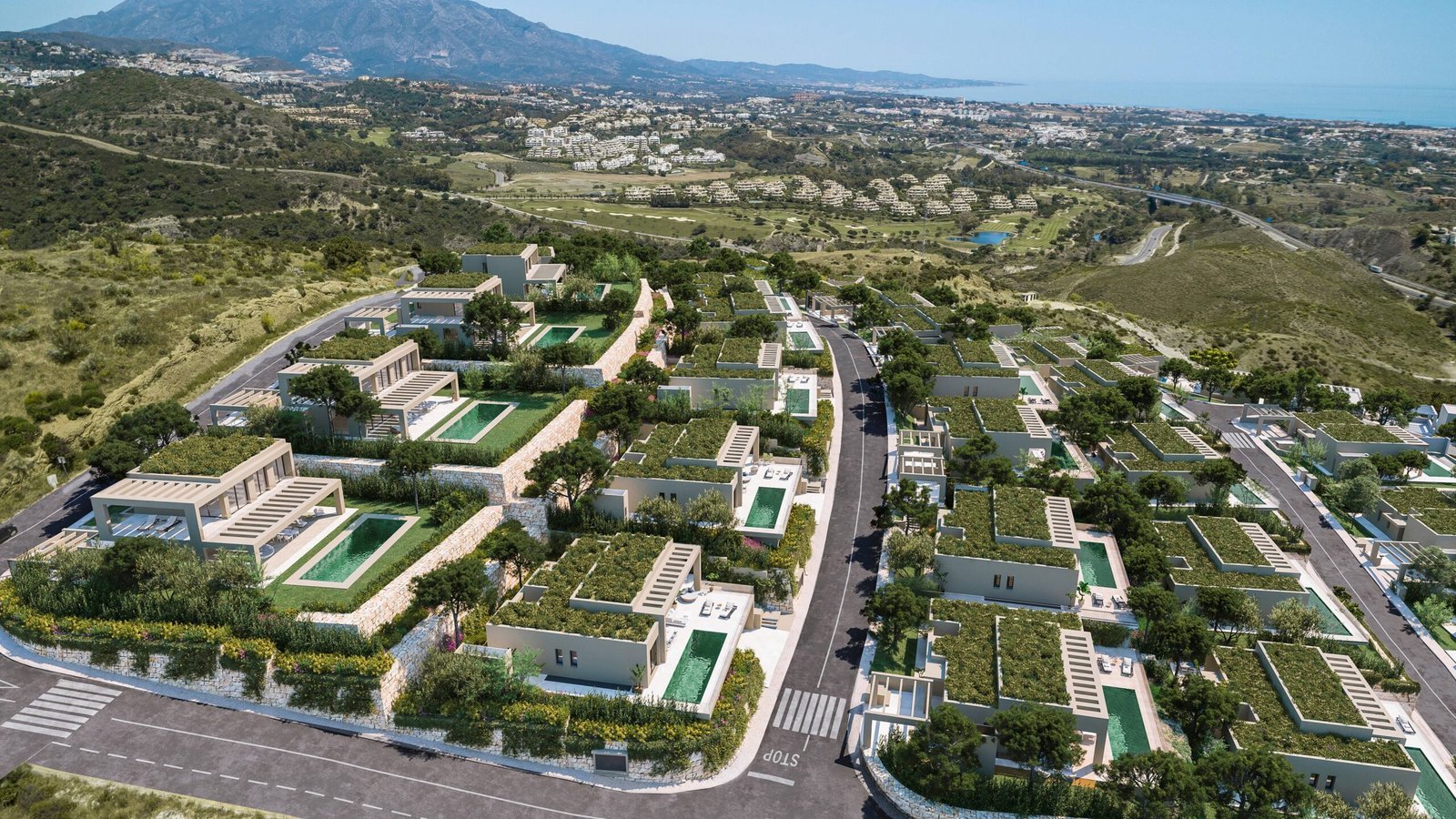
    New developments in Benahavís aerial view

    Entry-Level New Developments: Village Living and First-Step Investments

    Fuente Lirios — from €400,000
    Set in the heart of Benahavís village, Fuente Lirios offers a rare opportunity to enjoy true walkable living. With modern apartments, rooftop amenities and immediate access to restaurants and daily essentials, it appeals to buyers prioritising lifestyle, convenience and long-term rental flexibility.

    Special offer: Furniture voucher (valid until end of April 2026, subject to extension).

    Altura 160 — from €499,000
    Located in La Alquería, Altura 160 combines contemporary design with elevated views across golf and coastline. Spacious terraces, shared resort-style facilities and strong value positioning make it particularly appealing to buyers seeking a balance between lifestyle, investment potential and modern architecture.

    Special offer: Furniture incentives (valid until end of April 2026, subject to extension).

    Azurean Marbella — from €709,000
    Azurean introduces a hospitality-led residential concept, combining private ownership with hotel-style services and rental flexibility. Designed for both personal use and income generation, it stands out as a forward-thinking option for buyers seeking convenience, service and long-term investment potential.

    Special offer: Pre-launch pricing phase (limited early-buyer window).

    Marbella Club Hills — from €830,000
    Set within expansive green surroundings, Marbella Club Hills offers low-density living with generous space and established infrastructure. It appeals to buyers who prioritise privacy, nature and a more mature community setting over early-stage off-plan developments or highly condensed resort environments.

    The View Marbella — from €949,000
    One of the most recognised developments in the area, The View Marbella is defined by its elevated position and uninterrupted sea views. With 4 bed key-ready units in Phase 1 from €2,450,000, it offers immediate enjoyment alongside high-spec finishes and strong long-term positioning.

    Modern apartment terrace views Benahavís

    Mid-Market to Premium: Design, Views and Lifestyle Positioning

    Solenne — from €990,000
    Solenne is a boutique development focused on refined design, privacy and architectural coherence. With a limited number of residences, it offers a more intimate living environment, appealing to buyers who value exclusivity, modern aesthetics and a quieter alternative to larger resort-style communities.

    Romero, Real de La Quinta — from €1,150,000
    Romero provides one of the most accessible entry points into the Real de La Quinta masterplan. It combines contemporary design with a resort-style setting, offering buyers early access to a growing ecosystem of amenities, nature and long-term capital appreciation potential.

    Enebros Fase II — from €1,490,000
    Enebros represents one of the most exclusive phases within Real de La Quinta, with a stronger emphasis on privacy, architectural identity and integration with the natural landscape. It is aimed at buyers seeking a more distinctive and design-led residential experience.

    Mimosas Fase II — from €1,800,000
    Mimosas Phase II elevates the offering within Real de La Quinta, delivering larger residences, enhanced positioning and more expansive views. It is designed for buyers seeking a higher level of comfort, space and architectural refinement within a well-planned resort environment.

    Mimosas Fase I — from €2,100,000
    As one of the earlier premium phases, Mimosas Phase I offers established positioning, larger layouts and elevated specifications. It appeals to buyers who prioritise proven product, panoramic views and a more mature setting within the broader Real de La Quinta development.

    Enebros Fase I — €2,200,000
    Last availabe 4 bedroom garden apartment in one of the most exclusive buildings within Real de La Quinta, with a stronger emphasis on privacy, architectural identity and integration with the natural landscape. It is aimed at buyers seeking a more distinctive and design-led residential experience.

    Tiara — from €1,550,000
    Located in La Quinta, Tiara is characterised by expansive interiors, large terraces and uninterrupted views. Designed for lifestyle-driven buyers, it prioritises space, light and indoor-outdoor living, making it particularly attractive for full-time residents rather than purely investment-focused purchasers.

    Modern apartment terrace views Benahavís

    Luxury and Ultra-Prime: Villas, Branded Concepts and Statement Living

    The Sky Marbella — from €1,495,000 (apartments) / €5,995,000 (villas)
    The Sky Marbella is a flagship development blending high-end apartments and contemporary villas. Defined by bold architecture, expansive terraces and private pools, it represents a shift towards larger-scale, design-led living within one of Benahavís’ most sought-after hillside locations.

    Finca de Jasmine Sky — from €2,400,000
    Finca de Jasmine Sky introduces a refined collection of modern villas with a strong focus on clean lines and natural integration. Designed to maximise views and privacy, it appeals to buyers seeking contemporary architecture within a calm, elevated and landscaped environment.

    La Finca de Jasmine — from €2,650,000
    La Finca de Jasmine expands on the concept with larger homes, increased plot sizes and a greater sense of privacy. It is positioned for buyers who want more space and a stronger sense of individuality while maintaining a cohesive architectural identity.

    Altura Residences — from €3,995,000
    Altura Residences is a boutique collection of architect-designed homes with a focus on precision, materials and spatial flow. With very limited availability, it appeals to buyers who prioritise exclusivity, design integrity and a highly curated residential experience.

    Vista Lago — from €6,395,000
    Vista Lago stands out for its bold architectural vision and panoramic lake and sea views. Each villa is individually designed, creating a collection of statement homes that combine innovation, scale and a strong connection to the surrounding natural landscape.

    El Bosque Phase II — from €8,250,000
    El Bosque Phase II represents ultra-prime living at its most refined, with expansive villas set within a highly private environment. Designed for discretion and space, it appeals to buyers seeking a secure, prestigious setting with exceptional build quality and positioning.

    Tierra Viva — from €8,488,653
    Tierra Viva introduces a distinctive branded concept inspired by Lamborghini design. Combining striking aesthetics with advanced engineering and luxury finishes, it targets buyers looking for a unique statement property that merges automotive inspiration with high-end residential living.

    Other detached villas — from €1,950,000+
    Across Benahavís, a growing selection of detached villas continues to emerge, ranging from contemporary new builds to bespoke architectural projects. This segment offers flexibility in design, location and price, making it one of the most diverse and evolving parts of the market.

    We have a few of these listed in our new developments collection but we have access to many more. Let us know your budget, the number of bedrooms required and whether off-plan or key-ready and we will send you a selection of villas which match your requirements.

    What This Means for Buyers

    Benahavís is no longer a single market — it is a layered ecosystem where each price bracket reflects a distinct lifestyle and buyer intention.

    At the lower end of the market, buyers are typically prioritising accessibility, rental potential and ease of ownership. These developments often offer structured incentives, making them particularly attractive for first-time buyers or those seeking a flexible investment.

    As pricing moves into the mid-market, design, views and overall living experience begin to play a more central role in decision-making. Buyers here are less focused on incentives and more on long-term enjoyment, positioning and architectural quality.

    At the top end, the focus shifts entirely towards privacy, architecture and long-term positioning. Ultra-prime developments rarely rely on discounts — instead, value is driven by scarcity, design pedigree and location within the municipality’s most prestigious settings.

    Importantly, incentives remain selective. Entry-level developments may offer furniture packages or early-phase pricing advantages, while premium and ultra-prime projects tend to prioritise exclusivity over promotional activity.

    For buyers, the opportunity often lies in timing. Early-stage launches can provide attractive entry pricing, while later phases and key-ready properties offer certainty, immediate use and reduced development risk.

    FAQs

    • Are prices negotiable on new developments in Benahavís?
      Generally, pricing is fixed by developers, particularly in early phases. However, incentives such as furniture packages or payment structures may provide flexibility in overall value.
    • Which developments are best for rental investment?
      Lower-priced and hospitality-led developments tend to offer the strongest rental potential, particularly those with services or licensing structures suited to short-term or seasonal letting.
    • Is it better to buy off-plan or key-ready?
      Off-plan purchases often provide better pricing and payment flexibility, while key-ready properties offer certainty, immediate use and the ability to assess the finished product before buying.
    • What additional costs should buyers expect?
      As a guide in Andalucía, allow roughly ~10% on a resale property and ~12–13% on new builds. This includes taxes, legal fees, notary and registration costs.
    • Why is Benahavís so popular for new developments?
      Its combination of natural surroundings, proximity to Marbella, and availability of land has made it one of the most desirable areas for modern, design-led developments on the Costa del Sol.

    Explore More


    Looking for a new development outside Benahavís?
    Holiday Homes Spain
    covers the whole Costa del Sol.

    [siteorigin_widget class=”WP_Widget_Custom_HTML”][/siteorigin_widget]
  • Health Insurance for Spain Non-Lucrative Visa

    Health Insurance for Spain Non-Lucrative Visa

    Health insurance for non lucrative visa Spain is one of the most important requirements to get right when applying for residency.

    What Kind of Health Insurance Qualifies for Spain’s Non-Lucrative Visa?


    If you are considering a move to Spain under the Non-Lucrative Visa, health insurance is one of the requirements that deserves close attention from the outset. It is not simply a formality tucked away in the paperwork. In many cases, the policy you choose can shape the success of the application itself. For anyone still comparing residency routes, our guide to Spain visa options is a useful place to begin.

    A retired couple apply for health insurance for the non-lucrative visa in Spain

    Health insurance is a core requirement for Spain’s Non-Lucrative Visa application.

    The Non-Lucrative Visa, often described as Spain’s retirement visa, remains one of the main residence routes for non-EU nationals who want to spend meaningful time in Spain without taking up employment here. It is especially relevant for retirees, second-home owners and lifestyle buyers planning a longer-term move to Benahavís, Marbella and the wider Costa del Sol.

    Why health insurance matters for the Non-Lucrative Visa

    Spain’s public healthcare system is excellent, but access is tied to the social security system. Because the Non-Lucrative Visa does not permit you to work in Spain, or remotely for an overseas employer under the normal NLV rules, the authorities want reassurance that you will not become dependent on public healthcare after arrival.

    That is why private health insurance is not an afterthought. It sits alongside proof of financial means, background checks and the other core requirements of the application. If you are preparing the wider residency process at the same time, you may also find our guide to residency and NIE essentials helpful.

    Not every policy will be accepted

    This is where many applicants encounter confusion. A general international policy, or travel insurance with some healthcare cover attached, may sound reassuring on paper, but it is usually not enough for Spain’s Non-Lucrative Visa.

    The policy must be comprehensive private health insurance issued by an insurer authorised to operate in Spain. It must provide real medical cover rather than temporary travel protection, and it should offer a level of access comparable to Spain’s public healthcare system. A similar principle also applies to Spain’s Digital Nomad Visa, although in some cases health cover may be evidenced differently where there is an applicable social security arrangement in place.

    What the policy needs to include

    For the Non-Lucrative Visa, the cover should normally run for a full year, matching the length of the initial visa. It should apply to all beneficiaries included in the application and be written without the gaps that are common in many standard private policies.

    In practical terms, this means no co-payments, no deductibles, no serious limits on essential treatment and, ideally, no waiting periods for core services. When reviewing Spanish policies, two expressions are especially important: sin copagos and sin carencias. These indicate that the policy is structured without co-payments and without waiting periods, both of which are central to what Spanish consulates typically expect.

    The cover should extend across primary care, specialist consultations, hospital treatment, surgery, diagnostic testing and out-of-hospital care. In short, it needs to feel like proper healthcare, not emergency assistance dressed up as a medical policy.

    Spain non-lucrative visa health insurance documents on table with coastal backdrop

    A common source of confusion for applicants

    One reason this requirement causes so much uncertainty is that insurers often offer several tiers of cover. Some are designed for residents and visa applicants. Others are lighter products with co-payments, exclusions or waiting periods built in. They may sound similar in conversation, but they are not treated equally for immigration purposes.

    That is why it is wise to tell the insurer from the start that you are applying for Spain’s Non-Lucrative Visa. Most established providers understand the process and can point you toward the plans most commonly used for residency applications. Among the best-known names are Sanitas, Adeslas, Asisa, ASSSA and DKV. Each offers different levels of cover, so it is the policy wording, not simply the brand name, that matters most.

    Pre-existing conditions and older applicants

    For older applicants, or those with a more complex medical history, the process can become more nuanced. Insurers will usually ask for details of current health issues, previous diagnoses, operations and medication. In some cases, a doctor will review the file or request a call before deciding what terms can be offered.

    Some applicants are accepted smoothly. Others may be offered a policy with exclusions for certain conditions or areas of treatment. Whether that is acceptable for visa purposes can depend on the individual case and on how the application is assessed. For that reason, arranging cover early is often the more comfortable approach.

    What private health insurance typically costs

    Premiums vary according to age, health profile and insurer, but many applicants find the cost relatively manageable by international standards. Younger applicants may find policies at the lower end of the range, while those of retirement age will typically pay more for full cover.

    As a broad guide, monthly premiums often sit somewhere between around €50 and €160, with older applicants generally toward the upper end of that range. It is also common for consulates to ask for proof that the first year has been paid in full, rather than simply arranged by monthly instalments. That helps demonstrate the insurance will remain active for the whole initial visa period.

    For buyers planning a longer relocation rather than only the visa process, it is often sensible to think about healthcare alongside the practicalities of the move itself, from residency paperwork to legal costs and ownership planning. Our articles on the buying process in Spain and purchase costs in Andalucía can help place those decisions in a broader context.

    Why this detail deserves proper attention

    For many people planning a move to Spain, health insurance feels like a technical requirement hidden inside a much bigger lifestyle decision. Yet it is one of the points where precision matters most. A policy that appears perfectly reasonable at first glance may still fall short of what the authorities expect.

    Choosing the right cover from the outset can make the application process far more straightforward. More importantly, it gives you confidence as you prepare for a new chapter in Spain, whether that means retirement in the sun, more time with family, or a slower and more rewarding way of living on the Costa del Sol.

    At Benahavís Collection, we always recommend confirming the latest visa and insurance requirements with your consulate, immigration adviser or legal representative before submitting an application, as interpretation can vary slightly depending on the route and the applicant’s circumstances.

    Health insurance for non lucrative visa Spain

    [siteorigin_widget class=”WP_Widget_Custom_HTML”][/siteorigin_widget]
  • Circuito Ascari Day Trip from Benahavís

    Circuito Ascari Day Trip from Benahavís

    Circuito Ascari: A Luxury Day Out from Benahavís for Driving Enthusiasts

    From the Benahavís road to one of Europe’s most exclusive private circuits, with historic Ronda and local wine country completing the journey.

    Circuito Ascari near Ronda, an easy luxury day trip from Benahavís

    If you enjoy the Costa del Sol for its variety, Circuito Ascari is the kind of place that reminds you how much more there is beyond the coast. Around an hour inland from the Benahavís roundabout on the Ronda road, this private motorsport resort near Ronda offers a completely different kind of day out: one defined by precision, scenery and a level of exclusivity that feels entirely in keeping with the Benahavís Collection lifestyle.

    The route itself is part of the appeal. You leave behind the coastline and climb through the Andalusian interior, where the roads become quieter, the air feels fresher and the landscape opens into rolling hills and dramatic countryside. By the time you arrive at Ascari, the mood has already shifted. This is not a hurried excursion. It is a considered escape.

    A Private Circuit with a Distinctive Reputation

    Circuito Ascari is one of the most remarkable driving venues in southern Europe. Located close to Ronda in the province of Málaga, the resort centres around a 5.425-kilometre circuit that was created for serious automotive enthusiasts rather than casual spectacle. It was founded by Dutch racing driver and entrepreneur Klaas Zwart, whose vision was to build a track where owners could enjoy extraordinary cars in safety, privacy and style.

    Completed in 2003, Ascari was designed to follow the contours of the land rather than overpower them. That choice gives the circuit much of its character. The setting feels natural and secluded, and the driving experience is shaped by elevation changes, technical sequences and wide, flowing sections that reward confidence and finesse. Many of the corners were inspired by famous turns from iconic circuits around the world, which adds another layer of interest for anyone who follows motorsport closely.

    The signature corners at Circuito Ascari near Ronda in Andalusia

    Although Ascari is unquestionably impressive on paper, what makes it memorable is how discreetly luxurious it feels in person. This is a private members’ club first and foremost, and that atmosphere shapes everything. Rather than the noise and intensity many people associate with racetracks, Ascari feels composed, polished and deeply intentional.

    More Than a Track: The Ascari Experience

    Ascari is not simply somewhere to drive. It is somewhere to spend the day well. The clubhouse has the air of a private villa, with refined hospitality, elegant terraces and a pool that reinforces the sense that this is a resort as much as a motorsport destination. It is easy to understand why the venue has long attracted a select international membership and why manufacturers have used it for private launches and driving events away from public roads and crowded venues.

    For those who want to discover the club first-hand, Ascari offers carefully structured driving experiences that provide a rare glimpse into life at the resort. One option allows guests to bring their own supercar and spend a full day on track with professional support, personalised instruction, hospitality and gourmet lunch included. Another offers access to a progression of high-performance vehicles, from approachable training cars to more demanding race-oriented machines, all under expert guidance.

    The tone of the day is important. This is not about chaos or bravado. It is about learning the circuit properly, enjoying serious track time in a controlled setting and being looked after to a very high standard from start to finish. For motoring enthusiasts based in Benahavís, Marbella or the surrounding area, it is one of the most distinctive day experiences within easy reach.

    The clubhouse at Circuito Ascari near Ronda

    An Easy Day Trip from Benahavís

    One of Ascari’s great advantages is that it feels remote without being inconvenient. From the Benahavís road, it is an easy inland drive that works beautifully as a full-day plan. That matters, because the appeal here is not only the circuit itself but also how naturally it can be combined with one of Andalucía’s most atmospheric towns.

    Ronda sits just minutes away, and it brings a completely different energy to the day. After the precision of the track, the town offers history, architecture and a slower rhythm. Its dramatic position above the El Tajo gorge, the iconic Puente Nuevo, the old quarter and the broad mountain views all make it one of the most rewarding inland destinations in the region. There are few day trips from Benahavís that combine adrenaline and culture quite so effortlessly.

    Ronda and Puente Nuevo near Circuito Ascari

    A good way to approach the day is to lean into that contrast. Start with Ascari in the morning while the air is cool and the track is at its most inviting. Then continue into Ronda for a long lunch, a walk through the historic centre or a quiet afternoon taking in the views. It is a combination that feels luxurious not because it is over-programmed, but because it is balanced.

    Why It Appeals to Benahavís Buyers and Residents

    For many people who choose Benahavís, lifestyle is about more than property. It is about access to experiences that feel elevated, private and worth sharing with family, friends or clients. Ascari fits neatly into that world. It offers something that is both niche and memorable, which is often where true luxury sits.

    Golf, dining and beach clubs may define much of the local lifestyle, but the wider region has always had another side: mountain villages, inland routes, wineries and places of real depth beyond the coastline. Ascari adds an unexpected dimension to that mix. It is a destination for those who appreciate cars, of course, but it is equally compelling for anyone who values design, craftsmanship, service and the pleasure of doing something out of the ordinary for a day.

    Pair the Trip with Ronda’s Wine Country

    No journey to Ascari and Ronda feels complete without mentioning the local wines. The Serranía de Ronda has developed a strong reputation for boutique winemaking, and the surrounding countryside produces bottles that are as characterful as the landscape itself. For readers planning the route, this is where the day can become even more rewarding.

    After time at the circuit or in the town, it makes sense to continue with a vineyard stop or to explore the region through our Ronda wine guide. The contrast is part of the charm: the engineering and speed of Ascari in the first half of the day, then the slower pleasures of wine, views and conversation in the second. That combination feels very Andalusian, but it also feels especially relevant to Benahavís residents who want experiences with range and personality.

    Read our Ronda wine guide for cellar doors, tasting stops and ideas to extend your inland day trip.

    Vineyards near Ronda, a natural addition to a day trip to Circuito Ascari

    A Day Out That Feels Truly Different

    There are many beautiful drives from Benahavís, but very few lead to somewhere quite like Ascari. The circuit is exclusive without feeling showy, luxurious without being overdone and memorable in a way that lingers long after the day is over. Combined with Ronda’s historic atmosphere and nearby wine country, it becomes more than a motorsport destination. It becomes one of the most distinctive inland escapes available from the Costa del Sol.

    For driving enthusiasts, it is easy to see the appeal. For everyone else, Ascari still has a certain magnetism because it represents something rare: a place built with passion, hidden in extraordinary scenery and close enough to Benahavís to enjoy without effort.

    That is exactly the kind of discovery that deserves a place in the Benahavís Collection view of the region.


    Planning a luxury day out from Benahavís?

    Alongside property guidance, we also share the destinations, experiences and local discoveries that shape the wider Benahavís lifestyle. From inland escapes to fine dining, golf and wine, our aim is to help you experience the area well.

    For events more locally you can view our What’s On in Benahavis guide here->

    [siteorigin_widget class=”WP_Widget_Custom_HTML”][/siteorigin_widget]
  • Why Tech Leaders Are Choosing La Zagaleta in 2026

    Why Tech Leaders Are Choosing La Zagaleta in 2026

    Inside La Zagaleta: Why Tech Leaders Are Redefining Luxury in the Hills Above Marbella

    Published 24 March 2026

    For buyers exploring luxury property in La Zagaleta, Benahavís, the question is no longer simply where to buy — but where life works best. Increasingly, high-net-worth individuals, particularly from the technology sector, are choosing La Zagaleta for its unique combination of privacy, sustainability and long-term lifestyle value.


    There’s a particular kind of buyer you encounter in Benahavís who doesn’t arrive with urgency.

    They don’t rush viewings. They don’t ask about “what’s available this week.” And they rarely speak in absolutes. Instead, they observe. They take their time. They ask questions that are less about property and more about context — about how a place feels, how it functions, and whether it aligns with the way they now want to live.

    Increasingly, these buyers come from the same world. Technology. Founders, investors, operators — individuals who, until recently, would have been anchored to cities like San Francisco, London or Zurich. Not out of preference, but necessity. For years, proximity to people, capital and infrastructure dictated where they had to be.

    That constraint has quietly disappeared.

    What has replaced it is not simply mobility, but choice. And with that choice has come a subtle reassessment. Not just of where to live, but of what living well actually means.

    Aerial evening view of La Zagaleta in Benahavís

    It’s in that context that places like La Zagaleta begin to make sense. Not immediately, and not in the obvious way. On paper, it doesn’t compete with the global cities these buyers are leaving behind. There are no towers, no financial districts, no visible markers of status. What it offers is something far less tangible — and, to the right person, far more valuable.

    Space, for a start. Not just physical space, although that’s evident the moment you pass through the gates, but a kind of psychological space that’s increasingly difficult to find elsewhere. Silence that isn’t engineered. Distance that isn’t performative. A sense that nothing is happening unless you choose for it to.

    For individuals used to operating in constant motion, that shift can feel unfamiliar at first. Then, almost unexpectedly, it becomes essential.

    What’s interesting is that this movement hasn’t been driven by lifestyle alone. It’s not a simple desire for better weather or a slower pace, although those certainly play their part. The deeper motivation is more nuanced, and in many ways more practical.

    The way these individuals work has changed.

    They are no longer tied to offices, or even to countries. Their teams are distributed, their operations digital, their communication instantaneous. Decisions are made across time zones, often without anyone sharing the same physical space. The traditional headquarters — the glass building, the central hub — has become largely symbolic.

    And once that becomes clear, a different question emerges. Not where do I need to be? but where do I think best?

    That question has a way of leading people away from cities.

    Luxury villa office with a view in La Zagaleta

    In La Zagaleta, the answer reveals itself gradually. It’s there in the early morning, when the only sound is wind moving through the trees. It’s there in the way a house holds its temperature without effort, or how light moves through a space that has been designed to follow the day rather than fight it. There is a quiet intelligence to these homes — not in a way that announces itself, but in how little you have to think about them once you’re inside.

    Sustainable Luxury Living in La Zagaleta

    This is where the idea of the “eco-fortress” — a term that might sound abstract elsewhere — begins to feel entirely practical. Many of the most sought-after properties here operate as self-contained systems. Energy is generated on site, often invisibly. Water is collected, reused, managed without waste. Climate control happens beneath the surface, through geothermal systems that replace the need for conventional cooling altogether. None of this is presented as a feature. It’s simply how the house works.

    That distinction matters.

    Because for this generation of buyer, sustainability is not a statement. It’s an expectation. It reflects not just environmental awareness, but a broader preference for independence — for systems that don’t rely on external infrastructure, and for environments that remain stable regardless of what’s happening beyond their boundaries. If that is the lens you are buying through, our selection of eco-friendly homes in Benahavís is a natural place to continue the search.

    Modern sustainable villa design in Benahavís

    If sustainability has become quietly essential, privacy has become non-negotiable.

    It’s one of the few things that cannot be engineered retrospectively, and one of the first things these buyers look for. Not privacy in the superficial sense — high walls, security cameras, the visible trappings of exclusivity — but something more fundamental. Distance. Control. The ability to exist without being observed.

    La Zagaleta achieves this in ways that are difficult to replicate. The geography does much of the work. The plots are large, the terrain varied, the sightlines carefully broken. Properties don’t overlook one another, and movement through the estate is limited by design. Security is present, but it doesn’t dominate the experience. Instead, it recedes into the background, allowing the environment itself to provide the sense of protection.

    For individuals whose professional lives are highly visible, that kind of invisibility carries a different kind of value.

    It allows them to step out of the constant feedback loop of attention, to operate without interruption, and — perhaps most importantly — to think without distraction.

    There’s a noticeable change that happens when that becomes possible. Work doesn’t stop, but it shifts. It becomes less reactive, more deliberate. Conversations are longer. Decisions are less hurried. There’s a sense that time has been reclaimed, even if the schedule remains full.

    Natural mountain setting in Benahavís

    Around this, the wider region has been evolving in its own way. The Costa del Sol has always offered lifestyle — climate, food, access to the sea — but in recent years it has quietly developed the infrastructure to support something more. Málaga, in particular, has positioned itself as a technology hub, attracting investment and talent without the congestion of larger cities. Marbella continues to provide the services and social framework expected at this level, but without overwhelming the experience.

    What emerges is not a single centre, but a network. A place where it’s possible to remain connected to global business while being physically removed from it.

    For many buyers, that balance is the defining factor.

    It’s also what makes properties in areas like La Zagaleta increasingly difficult to replace. The combination of land, privacy, infrastructure and environmental integration is not something that can be replicated at scale. Supply is, by necessity, limited. And as more buyers begin to understand what’s being offered here, demand has been growing — not loudly, but steadily.

    This is rarely a market that announces itself. Transactions happen quietly. Decisions are made over time. And often, by the time a broader audience becomes aware of a shift, much of it has already taken place. Buyers looking for the top tier of this market often end up focusing not just on prestige, but on rarity — which is why our broader collections of luxury homes in Benahavís and €5M+ homes are often where the search becomes more specific.

    That’s where the role of guidance becomes important.

    Because from the outside, many of these properties can appear similar. Large plots, contemporary design, impressive specifications. But the differences that matter — the orientation of the land, the true level of privacy, the quality of the underlying systems — are not always visible in a listing.

    They require context.

    Buying Property in La Zagaleta: What Matters

    At Benahavís Collection, that context is what we focus on. Not simply presenting what’s available, but helping clients understand what they’re actually choosing between. Which homes offer genuine long-term value, which locations provide the right balance of accessibility and seclusion, and which opportunities exist beyond what’s publicly marketed.

    Because at this level, the decision is rarely about finding a property.

    It’s about recognising the right one when it appears.

    And if you are seriously evaluating La Zagaleta, two subjects deserve closer attention before you shortlist too aggressively: how the estate actually lives day to day, and what ownership involves in practice. Our guides to La Zagaleta micro-location and buying property in La Zagaleta explore those details in more depth.

    La Zagaleta villa with sunset pool view

    And perhaps that’s what this shift ultimately represents.

    Not a movement away from cities, but a movement towards something more considered. A way of living that prioritises clarity over proximity, control over visibility, and sustainability not as an ideal, but as a foundation.

    For those who have the freedom to choose anywhere in the world, those factors are becoming increasingly difficult to ignore.

    And for now, at least, they seem to be drawing more and more of them to the hills above Marbella.

    If you’re considering a move to La Zagaleta, we can share discreet access to on- and off-market opportunities, along with guidance tailored to your priorities. Simply reach out via our enquiry form and we’ll guide you through what’s currently available.

    Related reading

    tech leaders choosing La Zagaleta

    [siteorigin_widget class=”WP_Widget_Custom_HTML”][/siteorigin_widget]
  • 95% Mortgages in Spain for Under-35s in 2026

    95% Mortgages in Spain for Under-35s in 2026

    Young couple buying property in Spain with mortgage approval Costa del Sol

    95% Mortgages in Spain for Under-35s: What Buyers Need to Know in 2026

    For many buyers on the Costa del Sol, the challenge has never been the monthly mortgage payment — it’s the deposit. Saving 20–30% upfront, on top of taxes and purchase costs, has kept homeownership just out of reach for a large number of younger residents.

    Now, that’s starting to change.

    Across Spain — and increasingly here in Andalucía — banks are offering 95% loan-to-value (LTV) mortgages aimed at buyers under 35. Often referred to as “youth mortgages” (hipoteca joven), these products are designed to reduce the upfront barrier and help younger residents step onto the property ladder sooner.

    However, as with most things in the Spanish property market, the detail matters. Eligibility depends not just on age, but on residency status, income structure, and in some cases, regional support schemes.

    What Is a 95% Mortgage in Spain?

    A 95% mortgage allows a buyer to finance up to 95% of the property’s value, meaning only a 5% deposit is required. This is a notable shift from the traditional Spanish lending model, where banks typically offer 70–80% to residents and 60–70% to non-residents.

    That said, it’s important to look beyond the headline. Even with 95% financing, buyers still need to cover taxes and associated costs.

    In reality, most buyers should still budget around 10–12% of the purchase price in available funds to complete comfortably.

    Why These Mortgages Are Now Available

    This shift reflects both market pressures and policy changes.

    Property prices — particularly in areas such as Marbella, Estepona, and Benahavís — have risen steadily, while saving for a deposit has become increasingly difficult. At the same time, regional governments, including Andalucía, have introduced guarantee schemes that help reduce the risk for banks when lending above 80%.

    For lenders, it’s also a long-term strategy. Younger buyers represent stable, long-duration clients — and offering higher LTV products is a way to bring them into the market earlier.

    Which Banks Offer 95% Mortgages?

    Several major Spanish banks now offer youth-focused mortgage products, although terms vary depending on the applicant profile and region.

    Santander (Hipoteca Joven) offers up to 95% financing for eligible buyers under 35, typically with terms of up to 30 years and lending based on the lower of purchase price or valuation.

    BBVA (Hipoteca Joven) is often one of the more competitive options. In some cases, BBVA covers notary, registry, and administrative costs, which can reduce the upfront cash requirement — although this depends on the specific application.

    Other lenders, including CaixaBank and regional banks, also participate — particularly where government-backed guarantee schemes are in place.

    Who Actually Qualifies?

    This is where clarity is essential.

    These mortgages are not limited to Spanish nationals — but they are primarily designed for residents in Spain buying a primary residence.

    Typical criteria include:

    – Under 35 (sometimes under 36 depending on the bank)
    – Legal residency in Spain (NIE + residency status)
    – Stable, provable income within Spain
    – Purchase of a primary residence
    – Often first-time buyers (or not owning another property)

    By contrast, non-resident buyers — including overseas investors — are generally limited to 60–70% financing.

    Can Foreign Buyers Get a 95% Mortgage in Spain?

    This is one of the most important questions — especially on the Costa del Sol, where many buyers are international.

    The short answer is: yes, but only if you are a resident in Spain.

    Banks do not require Spanish citizenship. However, they do require that you are legally resident and financially integrated into the Spanish system. In practical terms, that means:

    – Holding a valid residency permit (including EU residency or qualifying visas)
    – Having a Spanish NIE number
    – Earning income that can be verified and taxed in Spain
    – Demonstrating financial stability through Spanish bank statements and tax returns

    For residents living on the Costa del Sol — whether Spanish or international — this opens up real opportunities. However, for buyers based abroad, 95% mortgages are not currently an option.

    What About Digital Nomad Visa Holders?

    Digital nomad visa holders sit somewhere in between.

    As legal residents, they can qualify in principle. However, approval depends heavily on how their income is structured.

    Banks are generally more comfortable when income is:

    – Paid in euros
    – Supported by Spanish tax declarations
    – Stable and contractually consistent

    If income is earned from overseas clients or employers, some lenders may apply stricter criteria or reduce the loan-to-value offered.

    That said, this is evolving — and certain banks are becoming more flexible as remote work becomes more established.

    What Costs Do Buyers Still Need to Cover?

    Even with a 95% mortgage, there are still upfront costs to plan for.

    These typically include:

    – The remaining 5% deposit
    – Property transfer tax (ITP) on resales (7% in Andalucía)
    – VAT (IVA) on new builds (10%) plus stamp duty (AJD)
    – Notary, registry, and legal fees
    – Property valuation (tasación)

    As a guide, buyers should still expect to contribute around 10–12% of the purchase price in total.

    Why This Matters for Buyers on the Costa del Sol

    In areas such as Benahavís, Marbella, and Estepona, where prices have risen steadily, reducing the deposit requirement from 30% to 5% can make a meaningful difference.

    For younger residents already living and working locally, this can accelerate the move from renting to ownership by several years — particularly at entry-level and mid-market price points.

    It also reflects a broader shift in the market, with more international residents choosing to settle long-term rather than remain purely lifestyle buyers.

    Final Thoughts

    95% mortgages in Spain are not universal — and they are not available to everyone. However, for the right buyer profile, they represent one of the most important shifts in the Spanish property market in recent years.

    If you are under 35, resident on the Costa del Sol, and considering buying your first home, this is an opportunity worth exploring carefully.

    As always, the key is understanding the detail — and structuring your purchase correctly from the outset.

    Related Guides & Next Steps

    If you’re considering buying property in Spain — especially as a resident on the Costa del Sol — these guides will help you understand the full picture before making a decision:

    95% Mortgages in Spain for Under-35s in 2026

    Looking outside of Benahavís?
    holiday-homes-spain.com
    website covers the whole Costa del Sol.

    [siteorigin_widget class=”WP_Widget_Custom_HTML”][/siteorigin_widget]
  • Why Property in Spain Just Got Cheaper for North Americans

    Why Property in Spain Just Got Cheaper for North Americans

    Why a €500,000 Property in Spain Just Got Cheaper for North Americans


    Currency advantage for US and Canadian buyers purchasing property in Spain

    If you are buying property in Spain from North America, exchange rates can quietly make a meaningful difference to the final price you pay. Over the past three weeks, recent geopolitical tensions have strengthened both the US dollar and the Canadian dollar, creating a more favourable window for buyers looking at homes on the Costa del Sol.

    For anyone considering a move, a holiday home or a lifestyle investment, this shift is worth paying attention to. On a €500,000 property, the difference is no longer minor. It is large enough to influence timing, budget and purchasing power.

    What has changed?

    In periods of uncertainty, investors often move towards assets and currencies seen as more defensive. That has helped support the US dollar in recent weeks. At the same time, higher oil prices have also supported the Canadian dollar, which tends to benefit when energy markets rise.

    The result is simple: the euro now costs fewer US dollars and fewer Canadian dollars than it did just a few weeks ago.

    What does that mean in real terms?

    Using recent exchange rate movements, here is how a €500,000 property in Spain compares:

    For US buyers
    Around three weeks ago, a €500,000 property would have cost approximately $589,200. At current levels, the same property is closer to $573,800.

    That is roughly $15,400 less purely due to currency movements.

    For Canadian buyers
    Around three weeks ago, a €500,000 property would have cost approximately C$807,000. At current levels, the same property is closer to C$784,000.

    That is roughly C$23,000 less purely due to currency movements. ECB rates 16.03.2026

    Of course, exchange rates move every day and there is no guarantee this window will stay open. However, for North American buyers who were already considering a purchase, it is a timely reminder that currency can materially affect the total cost of buying overseas.

    Why this matters for Costa del Sol buyers

    The Costa del Sol continues to attract buyers from the United States and Canada for a combination of reasons: climate, lifestyle, accessibility, strong international communities and comparatively attractive property values when set against many major North American cities.

    When exchange rates move in your favour, that value proposition becomes even more compelling. A stronger home currency can improve your budget, widen your choice of homes or simply reduce the effective cost of the purchase.

    Can North Americans buy property in Spain?

    Yes. North Americans can buy property in Spain with no restrictions. Spain allows foreign buyers, including Canadian and US citizens, to purchase real estate in exactly the same way as Spanish residents.

    The process typically involves obtaining a Spanish tax identification number (NIE), opening a Spanish bank account and completing the purchase through a notary. Many international buyers work with a local lawyer who handles the legal checks and paperwork.

    For buyers considering property on the Costa del Sol, the process is straightforward and well established. North Americans regularly purchase holiday homes, investment properties and full-time residences across Marbella, Benahavís and the surrounding areas.

    Looking beyond the exchange rate

    Currency is only one part of the bigger picture, but it works best when viewed alongside running costs, lifestyle and overall buying expenses in Spain.

    If you would like to explore how Spain compares more broadly, these guides may be helpful:

    Costa del Sol cost of living vs New York, London and Toronto

    A useful moment to revisit the market

    If you are a US or Canadian buyer who had been considering a purchase in Spain, this may be a good moment to take another look. A currency move on its own should never be the only reason to buy, but when it aligns with long-term plans and the right property, it can create a genuinely useful advantage.

    Whether you are searching for a permanent move, a second home or an investment with lifestyle appeal, a stronger dollar can improve what is possible right now.

    Further reading for North American buyers

    If you are exploring the idea of buying property on the Costa del Sol, these guides provide a useful overview of the practical and lifestyle considerations involved in moving or investing in Spain.

    Request more information →

    [siteorigin_widget class=”WP_Widget_Custom_HTML”][/siteorigin_widget]
  • Why Retire in Benahavís in 2026? A Spain Guide

    Why Retire in Benahavís in 2026? A Spain Guide

    Retirement lifestyle in Benahavís with mountain and Mediterranean views

    Spain has long been one of Europe’s most desirable places to retire, attracting thousands of international buyers every year who choose to retire in Spain for its sunshine, lifestyle, healthcare and relaxed pace of life.

    But choosing where in Spain to retire is one of the most important decisions you’ll make. The country’s regions vary enormously in climate, lifestyle, costs and communities.

    For many retirees seeking the perfect balance of lifestyle, scenery and accessibility, Benahavís on the Costa del Sol has become one of the most attractive options in 2026.

    Below we explore the key factors to consider when deciding where to retire in Spain — and why Benahavís consistently stands out.

    Cost of living and property choices

    Luxury villas and apartments in Benahavís surrounded by nature

    The cost of living will shape your retirement lifestyle. Some regions of Spain — particularly inland provinces — offer very low housing costs, while others have seen property prices rise rapidly.

    Major cities such as Madrid, Barcelona and San Sebastián remain among the most expensive places to buy property in Spain. Coastal lifestyle destinations such as parts of Málaga province also command premium prices.

    However, value should be measured not only by property prices but by lifestyle quality.

    In Benahavís, for example, retirees benefit from:

    • Exceptional natural surroundings
    • World-class golf courses
    • Secure gated communities
    • Easy access to Marbella, Puerto Banús and the coast
    • A wide range of property types, from lock-and-leave apartments to luxury villas

    Spain also offers attractive residency options for retirees, including the Non-Lucrative Visa for non-EU citizens, making long-term living in places such as Benahavís straightforward with the right planning.

    If you’re exploring which area of Benahavís suits your lifestyle best, you may find our Urbanisations Guide helpful.

    Climate and year-round outdoor living

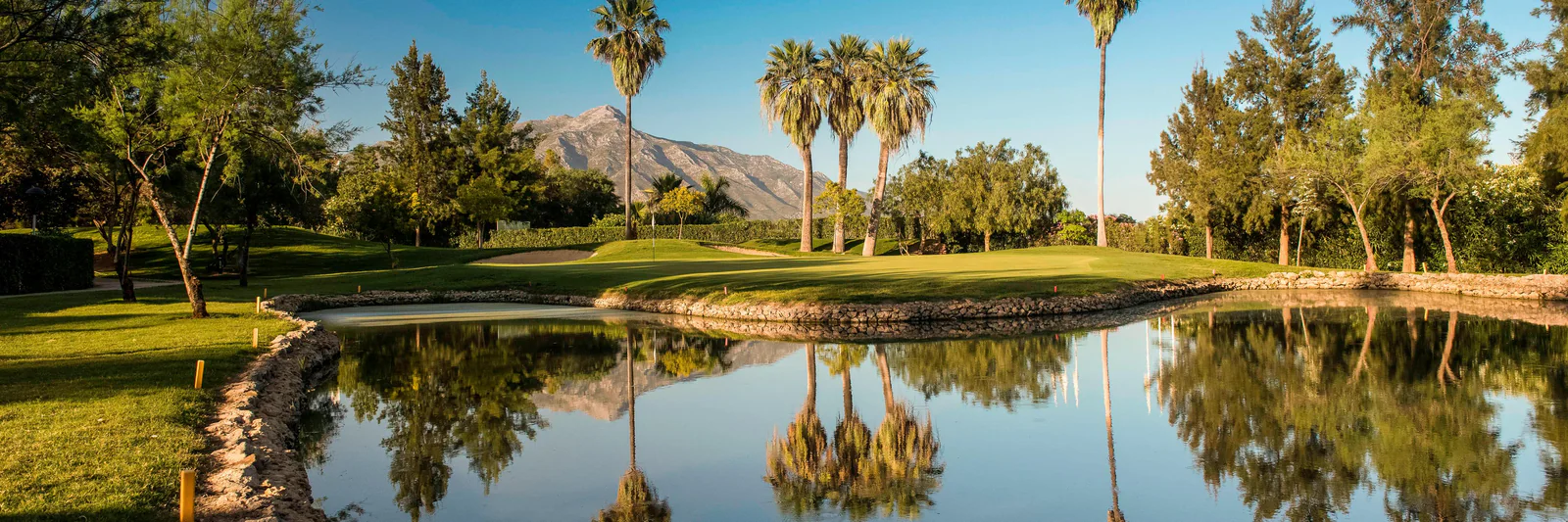
    Golf course and Mediterranean views in Benahavís

    Climate is often the main reason people choose Spain for retirement.

    The Costa del Sol enjoys more than 300 days of sunshine each year, with mild winters and long outdoor seasons. This allows retirees to enjoy golf, walking trails, beaches and outdoor dining throughout the year.

    Benahavís in particular benefits from a unique microclimate thanks to its hillside setting just above the coast. Many homes enjoy cooler summer breezes while still being only minutes from the sea.

    This balance of mountain scenery and Mediterranean climate is one of the reasons the area attracts retirees seeking a healthy outdoor lifestyle.

    Many residents describe life here as feeling permanently on holiday — with morning walks in the hills, long lunches in the village and evenings watching the sunset over the Mediterranean.

    Community, language and international connections

    Another key consideration when retiring abroad is the type of community you want around you.

    Some retirees prefer quieter regions with fewer international residents, while others appreciate having an established international community and English-speaking services.

    Benahavís offers a rare balance between both.

    The municipality has a cosmopolitan population with residents from across Europe and beyond.

    Yet it still retains an authentic Andalusian identity centred around the traditional village.

    This makes integration easier while still allowing newcomers to enjoy Spanish culture and lifestyle.

    Culture, cuisine and lifestyle

    Benahavís village restaurants and traditional Andalusian streets

    Every region of Spain has its own traditions, cuisine and cultural character.

    Andalusia is famous for its relaxed pace of life, tapas culture and vibrant local festivals. Benahavís itself is often called the gastronomic corner of the Costa del Sol, thanks to its exceptional restaurants and culinary reputation.

    Living here means being able to enjoy everything from traditional village dining to Michelin-starred cuisine, often within minutes of home.

    At the same time, Marbella’s international restaurants, beach clubs and cultural events are just a short drive away. You can discover more about the dining options available in the municipality in our Restaurants Guide.

    Accessibility and healthcare

    When choosing a retirement location, accessibility is often overlooked but extremely important.

    Benahavís benefits from proximity to Málaga International Airport, around 45 minutes away, which offers direct flights to most major European cities. This makes visiting family or welcoming guests much easier.

    The region also provides access to excellent private and public healthcare facilities, including hospitals in Marbella and Estepona.

    For many retirees, this combination of connectivity and healthcare infrastructure provides important peace of mind. Our Healthcare in Spain Guide covers the options available in much more detail.

    Why many retirees ultimately choose Benahavís

    Spain offers countless beautiful places to retire. However, few locations combine scenery, security, lifestyle and accessibility as effectively as Benahavís.

    Here retirees can enjoy:

    • Stunning mountain and sea views
    • World-class golf and outdoor activities
    • Secure gated communities
    • One of the safest municipalities on the Costa del Sol
    • Close proximity to Marbella and the Mediterranean
    • A welcoming international community
    • Authentic Andalusian charm

    For those looking to enjoy the next chapter of life in a place that balances tranquility with opportunity, Benahavís continues to stand out as one of Spain’s most compelling retirement destinations — combining natural beauty, security, community and world-class lifestyle.

    Explore more guides about retiring in Benahavís


    Got a question?

    If you are considering retiring in Benahavís and would like local insight on the best areas, communities or property options, we would be happy to help. You can contact us by email, WhatsApp or phone for friendly, no-pressure advice.


    Looking for a home outside Benahavís?
    Holiday Homes Spain
    covers the whole Costa del Sol.
    [siteorigin_widget class=”WP_Widget_Custom_HTML”][/siteorigin_widget]
  • Bare Ownership in Spain (Nuda Propiedad) Explained

    Bare Ownership in Spain (Nuda Propiedad) Explained

    Understanding Bare Ownership in Spain (Nuda Propiedad)

    Couple enjoying retirement lifestyle in Spain on a Mediterranean beach

    Bare ownership, known in Spain as nuda propiedad, is a distinctive way of structuring a property transaction. Instead of transferring full ownership and possession at the same time, the legal title is separated from the right to live in or use the property.

    This structure can create an elegant solution for both parties. Sellers can unlock capital from their home while continuing to live there, while buyers gain exposure to desirable property markets—often at a significantly reduced purchase price.

    In areas such as Benahavís, Marbella and the wider Costa del Sol, bare ownership arrangements are becoming increasingly recognised as a flexible alternative to traditional property purchases.


    What Bare Ownership Actually Means

    To understand bare ownership, it helps to think of property rights as being divided into two parts.

    The first is the usufruct, which is the legal right to live in the property, use it, and in some cases even rent it out. The person holding this right is known as the usufructuary.

    The second part is the bare ownership itself. This represents the underlying legal ownership of the property, including its long-term value and the right to full possession in the future.

    When someone purchases bare ownership, they become the legal owner of the property but without the immediate right to occupy it. That right remains with the usufructuary for the agreed period. The arrangement may last for a fixed number of years, or it may continue for the lifetime of the current resident.


    Why Some Owners Choose to Sell Bare Ownership

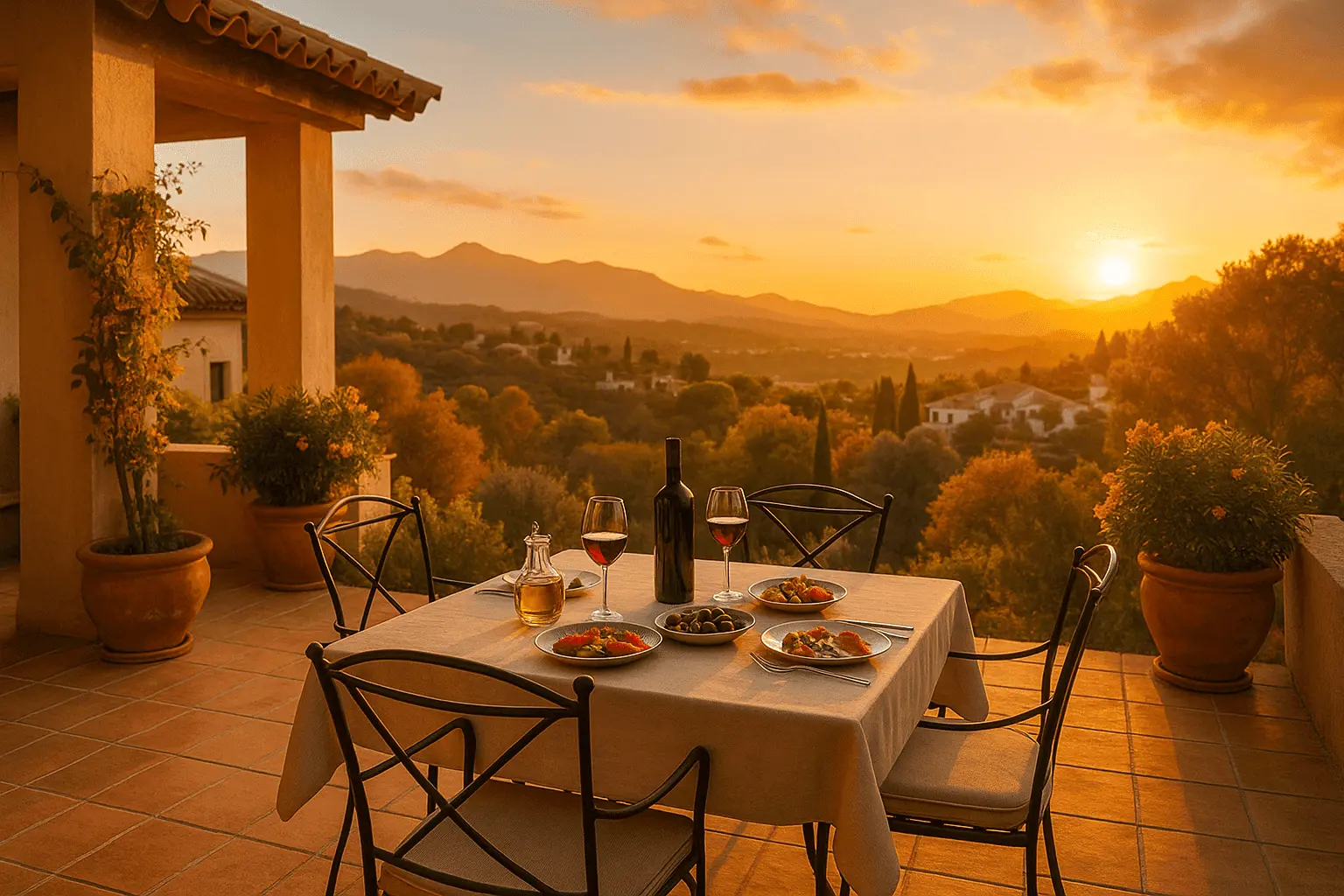
    Dinner on an Autumnal evening in Benahavis

    For many homeowners, especially those later in life, bare ownership offers a practical way to release equity from their property without having to move.

    Selling the bare ownership allows the owner to receive a lump sum payment while retaining the legal right to remain in the home. This can provide financial flexibility while preserving the comfort and familiarity of their existing lifestyle.

    It can also form part of long-term estate planning. In some situations, transferring bare ownership during a person’s lifetime simplifies inheritance arrangements and can help reduce the complexity of future property transfers.

    Importantly, the usufructuary’s right to remain in the property is protected under Spanish law. Once established, that right cannot be removed during the agreed term unless both parties decide otherwise.


    Why Investors Consider Bare Ownership

    From a buyer’s perspective, bare ownership can represent an interesting long-term investment opportunity.

    Because the purchaser cannot occupy the property immediately, the acquisition price is typically lower than the full market value. This discounted entry point can make premium locations more accessible, particularly in sought-after areas such as Benahavís, Estepona or Marbella.

    While the buyer does not receive rental income or personal use during the usufruct period, they do hold the underlying asset. Over time, that asset may benefit from the long-term appreciation that has historically characterised many parts of the Costa del Sol property market.

    For investors who take a patient, long-term view, bare ownership can therefore provide exposure to desirable real estate with relatively limited day-to-day involvement.


    Responsibilities and Ongoing Costs

    Spanish law also distinguishes clearly between the responsibilities of the usufructuary and those of the bare owner.

    In most cases, the person living in the property takes care of everyday expenses. This usually includes utility bills, routine maintenance, community fees and standard local taxes such as property tax (IBI) and waste collection charges.

    The bare owner, on the other hand, typically assumes responsibility for major structural repairs or extraordinary community expenses that affect the long-term integrity of the building.

    These responsibilities can be adjusted through the purchase agreement, but the principle remains simple: the usufructuary manages the daily use of the property, while the bare owner safeguards the underlying asset.


    Is Rent Paid in a Bare Ownership Agreement?

    Looking over an infinity pool at la concha from a villa in Benahavis

    In most bare ownership arrangements, the person living in the property does not pay rent.

    Their right to remain in the home forms part of the original transaction. The buyer accepts a lower purchase price precisely because they will not receive rental income or immediate use of the property during the usufruct period.

    Depending on the terms of the agreement, the usufructuary may even retain the right to rent the property to third parties and keep the rental income. However, this is something that must be clearly defined in the legal contract.


    What Happens When the Usufruct Ends?

    When the usufruct period comes to an end, the situation changes automatically.

    At that moment, the bare owner becomes the full owner of the property, a status known in Spain as pleno dominio. Full possession transfers immediately, without any additional payment.

    In many cases this transition can also represent a significant increase in value, because the property moves from a discounted bare ownership structure to full market ownership.


    Things Buyers and Sellers Should Consider

    Although the concept is straightforward, bare ownership transactions require careful legal structuring.

    The price of the property will usually depend on factors such as the age of the usufructuary or the length of the usufruct term. Financing options may also be more limited than with traditional purchases, meaning many buyers complete these acquisitions with cash.

    Because of this, it is particularly important that the legal agreement clearly defines the rights, obligations and duration of the arrangement. Working with an experienced lawyer ensures that both parties understand exactly how the structure will operate over time.


    Bare Ownership in the Context of Benahavís Property

    In established and desirable markets such as Benahavís and Marbella, bare ownership transactions can offer an interesting balance of lifestyle and investment.

    For homeowners, it provides financial flexibility while allowing them to remain in the surroundings they love. For buyers, it offers access to high-quality property in a location known for long-term demand and strong international appeal.

    As the Costa del Sol property market continues to evolve, structures like bare ownership are becoming more widely understood and increasingly relevant for both investors and homeowners.


    Exploring property opportunities in Benahavís?

    Discover our curated selection of homes and investment opportunities at Benahavís Collection or read our property investment guide for Spain.

    [siteorigin_widget class=”WP_Widget_Custom_HTML”][/siteorigin_widget]
  • Bringing Pets to Spain: Travel & Relocation Guide

    Bringing Pets to Spain: Travel & Relocation Guide

    Bringing Your Pets to Spain: A Complete Guide for Visitors and Future Residents

    Woman and her pet enjoying a sunset by the beach on the Costa del Sol

    Spain is one of Europe’s most welcoming destinations for pet owners. The outdoor lifestyle, mild climate and abundance of natural space make it an excellent place for dogs and cats to thrive. Whether you are planning a holiday on the Costa del Sol or considering a permanent move to southern Spain, travelling with your pets is entirely possible with the right preparation.

    For many people relocating to the Marbella and Benahavís area, pets are part of the family. Fortunately, Spain has clear and well-established regulations for bringing animals into the country, and the Costa del Sol offers excellent veterinary care, outdoor space and a pet-friendly culture.

    This guide explains how the process works — from entry requirements and paperwork to travel logistics and what everyday life looks like for pets once you arrive.


    Understanding Spain’s Pet Travel Rules

    Veterinarian scanning a cat's microchip with handheld scanner

    Spain follows the European Union’s standard regulations for the movement of companion animals. These rules exist primarily to protect public health and ensure that animals entering the country meet strict vaccination and identification requirements.

    The simplified travel system applies to dogs, cats and ferrets. Other animals such as birds, reptiles or rodents are subject to separate import procedures and may require additional documentation.

    In general, pets entering Spain must travel with their owner or with a person authorised by the owner, and most journeys are limited to a maximum of five animals unless they are travelling for recognised competitions or exhibitions. The essential requirements centre around three things: identification, vaccination and proper health certification.

    Once these conditions are met, bringing a pet to Spain is usually straightforward.


    Visiting Spain with Your Pet

    Golden retriever sitting at a terrace café on the Costa del Sol with sea views and palm trees

    Many visitors to the Costa del Sol choose to travel with their pets, especially those staying for longer holidays or spending time in private villas and apartments. Spain’s relaxed lifestyle makes it easy to include your dog or cat in everyday activities, from outdoor dining to countryside walks.

    However, before travelling, it is essential that your pet meets Spain’s entry requirements.

    Microchip Identification

    The first requirement is proper identification. Pets entering Spain must have an ISO-compliant microchip that meets international standards (ISO 11784 or 11785). The microchip must be implanted before the rabies vaccination is administered, as the vaccination record is linked to the chip number.

    Tattoos are only accepted if they were applied before 3 July 2011 and are clearly readable.

    Rabies Vaccination

    Rabies control is central to the EU’s pet travel rules. All pets must have a valid rabies vaccination administered after microchipping. The animal must be at least 12 weeks old at the time of vaccination.

    If the vaccination is being given for the first time, travellers must wait at least 21 days before entering Spain. Booster vaccinations given before the previous one expires usually do not require this waiting period.

    Pet Passport or Animal Health Certificate

    Documentation depends on where you are travelling from.

    Travellers coming from EU countries can use the standard EU Pet Passport issued by a veterinarian. Visitors arriving from outside the EU must instead obtain an EU Animal Health Certificate issued by an official veterinarian in their home country within ten days of travel.

    This certificate confirms that the pet meets the EU’s identification and vaccination rules.

    Rabies Antibody Blood Test

    Depending on the country of origin, pets may also require a rabies antibody titration test. This blood test confirms that the vaccination has produced adequate immunity.

    The test must be carried out at an approved laboratory, and a waiting period typically applies before travel. Many travellers moving from outside the EU plan this step several months in advance.


    Flying to Spain with Pets

    Dog in pet carrier on airplane to Spain

    Air travel is the most common way to bring pets to Spain. Most airlines allow small animals to travel in the cabin if they remain inside an approved carrier, while larger animals usually travel in a climate-controlled cargo area.

    Each airline has its own policies regarding weight limits, crate dimensions and booking procedures, so it is important to check the details before planning your journey.

    Some owners prefer to use specialised pet relocation companies, particularly for long-distance moves. These services handle the paperwork, transport logistics and veterinary documentation required for international travel.

    If you are arriving from outside the EU, you must also enter through an airport authorised to process animal imports.


    Arriving in Spain with Your Pet

    Once you arrive in Spain, you will normally pass through a brief veterinary inspection point where officials may check your pet’s microchip and documentation. Provided all requirements are met, the process is usually quick.

    After arrival, most visitors are pleasantly surprised by how welcoming Spain is for animals. Dogs are commonly seen on restaurant terraces, in parks and on hiking trails. The Costa del Sol in particular has a strong outdoor culture that suits pet owners perfectly.

    The surrounding countryside of Benahavís offers miles of walking routes, forest paths and quiet mountain trails. Nearby beaches also include designated dog-friendly areas depending on the municipality and season.

    For visitors staying in the region, the lifestyle can feel surprisingly easy with a pet.


    Moving to Spain with Your Pet

    Family walking their dog near a villa in Benahavís on the Costa del Sol

    If you are relocating permanently to Spain, the entry requirements remain largely the same as those for holiday travel. However, there are a few additional considerations once you begin living in the country full-time.

    Long-term planning becomes more important, particularly when arranging transport, housing and veterinary care.

    Many families relocating to the Costa del Sol bring their pets with them, and the region has a well-developed infrastructure to support this lifestyle.

    Registering Your Dog in Spain

    Once you become a resident, dogs must usually be registered with your local town hall, known in Spain as the Ayuntamiento. This registration helps municipalities manage vaccination records and animal welfare standards.

    Some breeds are classified under Spain’s Potentially Dangerous Dogs (PPP) regulations. Owners of these breeds must obtain a special licence, hold liability insurance and comply with additional safety rules.

    Most pets, however, fall outside these regulations.

    Veterinary Care on the Costa del Sol

    Spain offers excellent veterinary services, and the Costa del Sol has many modern clinics staffed by experienced professionals. Routine care such as vaccinations, microchipping and health checks is generally affordable compared with many northern European countries.

    Many veterinary clinics in the Marbella and Benahavís area also operate in English, which makes the process easier for international residents.


    Life in Benahavís with Pets

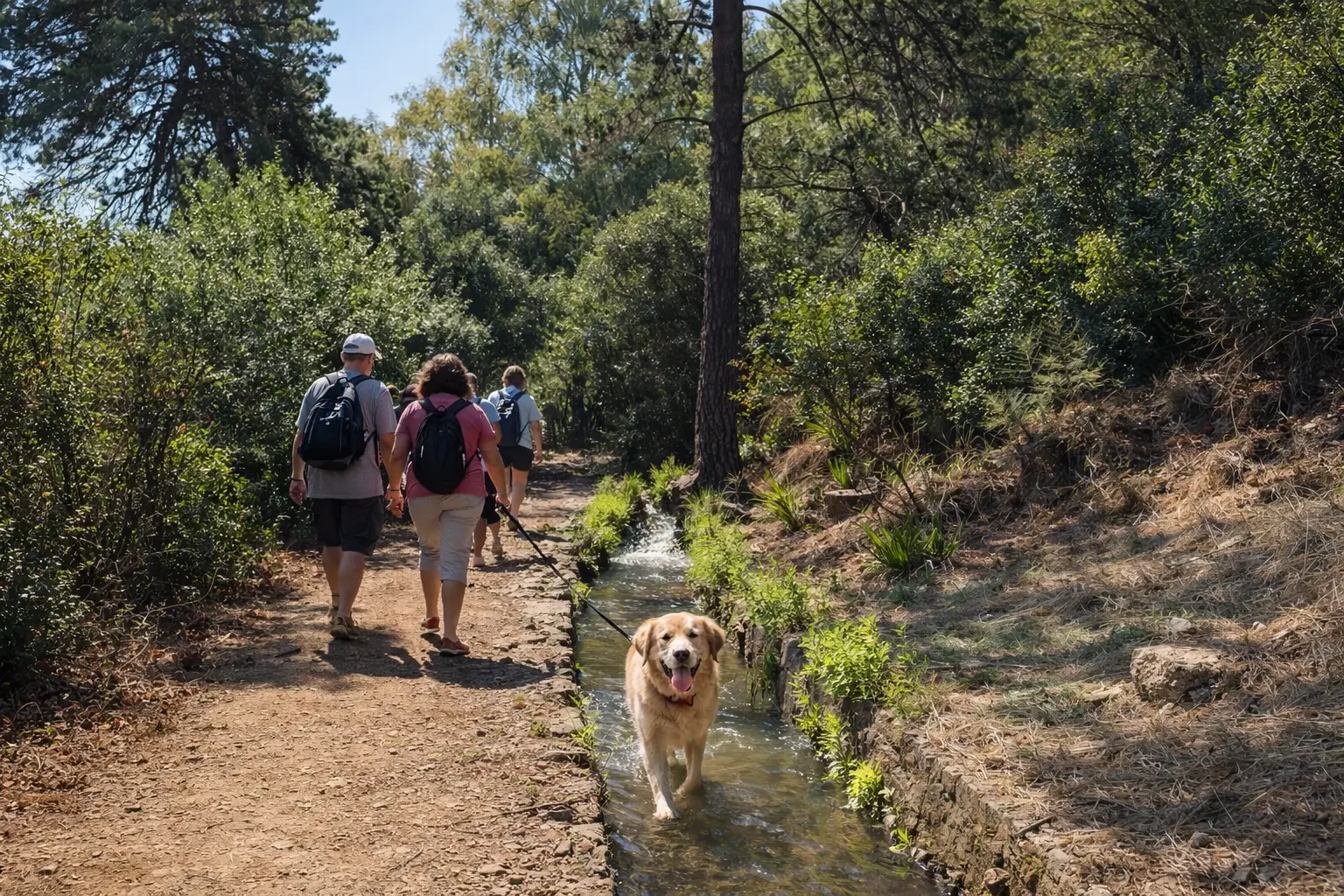
    Dog enjoying a walking trail beside the acequia in Benahavís countryside

    One of the reasons many people choose to relocate to Benahavís is the lifestyle. Surrounded by mountains, forests and open countryside, the area provides an ideal environment for dogs and other pets.

    Morning walks often take place along quiet residential roads or countryside paths, while weekends might include hikes in the nearby hills or visits to pet-friendly beaches along the coast.

    Many properties in the area also feature large terraces, gardens or private plots, giving pets plenty of space to relax.

    If you are considering a permanent move to the region, you may also find our relocation resources helpful:

    Living in Benahavís guide

    Cost of Living on the Costa del Sol

    Buying Property in Benahavís


    Practical Tips for Travelling with Pets

    Preparing well in advance is the best way to ensure a smooth journey. Veterinary documentation and blood tests can take time, so planning several months ahead is wise, especially for relocations.

    It is also important to confirm airline policies early and ensure your pet’s travel crate meets international safety standards. For long journeys, choosing direct flights where possible can help reduce stress for both the animal and the owner.

    Finally, remember that southern Spain can become very hot during the summer months. Once you arrive, ensuring your pet has access to shade, water and cooler walking times is essential.


    Is Spain a Good Place to Live with Pets?

    Woman and her pet enjoying a sunset by the beach on the Costa del Sol

    For many international residents, the answer is a resounding yes.

    Spain’s climate, outdoor culture and relaxed lifestyle create an environment where pets are naturally included in everyday life. The Costa del Sol in particular offers an exceptional combination of countryside, beaches and modern services that make living with animals both easy and enjoyable.

    Whether you are visiting for a few weeks or planning a permanent move to Benahavís or Marbella, bringing your pet is not only possible — it is often one of the best ways to fully enjoy the lifestyle Spain offers.


    Thinking of relocating to Benahavís?

    Explore our guide to property for sale in Benahavís or browse our relocation resources to learn more about living on the Costa del Sol.
    [siteorigin_widget class=”WP_Widget_Custom_HTML”][/siteorigin_widget]
  • Andalucia Day – Facts and Culture

    Andalucia Day – Facts and Culture

    Andalucía Day — celebrating the culture and heritage of southern Spain

    Andalucía Day: A Local Celebration and 11 Fascinating Facts


    Today is Andalucía Day (Día de Andalucía) — a regional public holiday when Andalusians come together to celebrate the region’s rich culture, history and heritage.

    Here are a few brilliant facts about Spain’s southernmost region — perfect for sharing with friends over a desayuno andaluz, a tapas crawl, or a glass of sherry.

    11 Fast Facts About Andalucía

    1. Día de Andalucía (28 February) commemorates the historic 1980 referendum in which the Andalusian electorate voted for Andalucía to become an autonomous community of Spain. Andalucía also established its own flag and its capital city, Sevilla. Moreover, the region’s coat of arms includes the Roman hero Hercules who, according to popular legend, used his strength to split the Atlas Mountains — creating the Strait of Gibraltar, with the Rock of Gibraltar on one side and Jebel Musa (Ceuta) on the other.

    Andalusian flag — green and white colours of Andalucía

    1. In some cities — especially around Málaga — schools close for a Semana Cultural (“cultural week”), also known as Semana Blanca (“white week”). The Friday before is often celebrated with a traditional Andalusian breakfast: toast with olive oil and orange juice.
    2. Andalucía is considered the birthplace of tapas — those irresistible mini-portions that define Spanish gastronomy. Legend has it that in the 19th century, Alfonso XIII stopped at a tavern in Cádiz and was served a glass of wine with a slice of ham placed on top to keep dust out. He enjoyed it so much that tapas spread from there — and tapa literally means “cover” or “lid”. You can find details of tapas bars and other restaurants in Benahavis here->
    3. Cádiz, where the tapas legend is set, has another claim to fame: it is often described as Europe’s oldest city. Founded as a Phoenician port in the 7th century BC, its Atlantic-facing position helped it dominate trade routes for centuries. The old town (Casco Antiguo) still preserves landmarks that echo that long history.
    4. As Spain’s southernmost region, it may be no surprise that Andalucía is also the nation’s warmest.
    5. Andalucía’s warm microclimates are helped by its mountainous geography, which acts as a barrier to colder northern winds. In fact, mountains cover over half of the region’s surface area. The Sierra Nevada is home to Mulhacén, Spain’s highest mainland peak at 3,482 metres (11,424 ft).
    6. With year-round warm weather, Andalucía is a natural choice for beach lovers. However, it is equally strong for sport: the region has around 120 golf courses across its eight provinces, making it one of Europe’s most popular golf destinations.
    7. Andalucía has produced an extraordinary number of global names across film, art, sport and literature — including Antonio Banderas, Pablo Picasso, Diego Velázquez, Fernando Hierro, Sergio Ramos, poet Federico García Lorca, golfer Miguel Ángel Jiménez, and music duo Los del Río, among many others.
    8. Andalucía’s dramatic landscapes have featured in countless films, including the classic “Spaghetti Westerns”. The Good, the Bad and the Ugly, directed by Sergio Leone and starring Clint Eastwood, was largely filmed in Almería.
    9. If you enjoy a glass of sherry, you have Andalucía to thank. The wine is made from white grapes grown near Jerez de la Frontera (Cádiz), and “Sherry” is an anglicised form of “Jerez”. If your a wine fan, we have highlighted some of our favourite local wines here->
    10. Andalucía is famously food-focused — and one of its iconic sights even inspired a British favourite: Sevilla oranges, known for their bitterness, are a principal ingredient in traditional English marmalade.

    Sevilla oranges — a classic Andalusian icon

    Happy Andalucía Day

    Whether you’re enjoying a village stroll, planning a weekend in Sevilla, or sharing tapas with friends on the Costa del Sol, Andalucía Day is a wonderful reminder of the region’s depth and identity.

    Andalucía Day — celebrating the culture and heritage of southern Spain

    Andalucía Day: A Local Celebration and 11 Fascinating Facts


    Today is Andalucía Day (Día de Andalucía) — a regional public holiday when Andalusians come together to celebrate the region’s rich culture, history and identity.

    From Moorish palaces and Atlantic ports to mountain villages and vibrant gastronomy, Andalucía is a region layered with stories. Here are 11 fascinating facts about Spain’s southernmost community — perfect for sharing over a desayuno andaluz, a tapas crawl, or a glass of sherry.

    11 Fast Facts About Andalucía

    1. Día de Andalucía (28 February) commemorates the historic 1980 referendum in which the Andalusian electorate voted to become an autonomous community of Spain. Andalucía established its own flag and capital city, Sevilla. The regional coat of arms features the Roman hero Hercules, who legend says split the Atlas Mountains to create the Strait of Gibraltar.

    Andalusian flag — green and white colours of Andalucía

    1. In some cities — particularly around Málaga — schools close for Semana Blanca. The week often includes a traditional Andalusian breakfast of olive oil on toast and fresh orange juice.
    2. Andalucía is widely considered the birthplace of tapas. Legend has it that King Alfonso XIII was served wine covered with a slice of ham to keep dust out — and the tradition of the “tapa” (meaning lid or cover) was born. You can explore some of the best tapas bars and restaurants in Benahavís here →
    3. Cádiz is often described as Europe’s oldest city. Founded by the Phoenicians in the 7th century BC, its Atlantic position made it one of Spain’s most important trading ports.
    4. As Spain’s southernmost region, Andalucía is also the warmest, benefiting from long summers and mild winters.
    5. Its mountain ranges — including the Sierra Nevada — protect the region from colder northern winds. Mulhacén, at 3,482 metres, is mainland Spain’s highest peak.
    6. With nearly 120 golf courses across its eight provinces, Andalucía has one of Europe’s highest concentrations of golfing facilities.
    7. Andalucía has produced global cultural icons including Pablo Picasso, Federico García Lorca, Antonio Banderas, Sergio Ramos and Miguel Ángel Jiménez.
    8. The dramatic landscapes of Almería hosted many classic “Spaghetti Western” films, including The Good, the Bad and the Ugly.
    9. If you enjoy a glass of sherry, you have Andalucía to thank. The wine originates from Jerez de la Frontera — and if you’re a wine enthusiast, we’ve highlighted some of our favourite local wines here →
    10. Sevilla oranges, famous for their bitterness, are the key ingredient in traditional English marmalade.

    Sevilla oranges — a classic Andalusian icon

    Iconic Places That Define Andalucía

    • Sevilla — the capital, home to the Alcázar and centuries of architectural splendour.
    • Granada — where the Alhambra overlooks the Sierra Nevada.
    • Córdoba — famed for the Mezquita and its historic old quarter.
    • Ronda — dramatic clifftop scenery just inland from the Costa del Sol.
    • Cádiz — Atlantic beaches and one of Europe’s oldest urban settlements.
    • Almería — desert landscapes that shaped cinematic history.

    The Birthplace of Flamenco

    Flamenco originated in Andalucía in the 18th century, shaped by Romani, Moorish, Jewish and Andalusian influences. Cities such as Sevilla and Jerez became cultural centres for this deeply emotional art form, where song, guitar and dance express centuries of history.

    More than music, flamenco represents resilience, passion and identity — qualities that still define the region today.

    Andalucía at Its Heart — Benahavís

    While cities like Sevilla and Granada showcase Andalucía’s grandeur, villages such as Benahavís reflect its everyday charm — gastronomy, mountain views and strong community spirit.

    Here on the Costa del Sol, Andalucía Day is not just a date in the calendar. It is a reminder of why so many choose to visit, return — and ultimately stay.

    Happy Andalucía Day

    Whether you’re exploring Andalucía for the first time or already call southern Spain home, today is a celebration of warmth — in climate, culture and community.

    [siteorigin_widget class=”WP_Widget_Custom_HTML”][/siteorigin_widget]