Author: Administration

  • Andalucia’s most beautiful villages and towns

    Andalucia’s most beautiful villages and towns

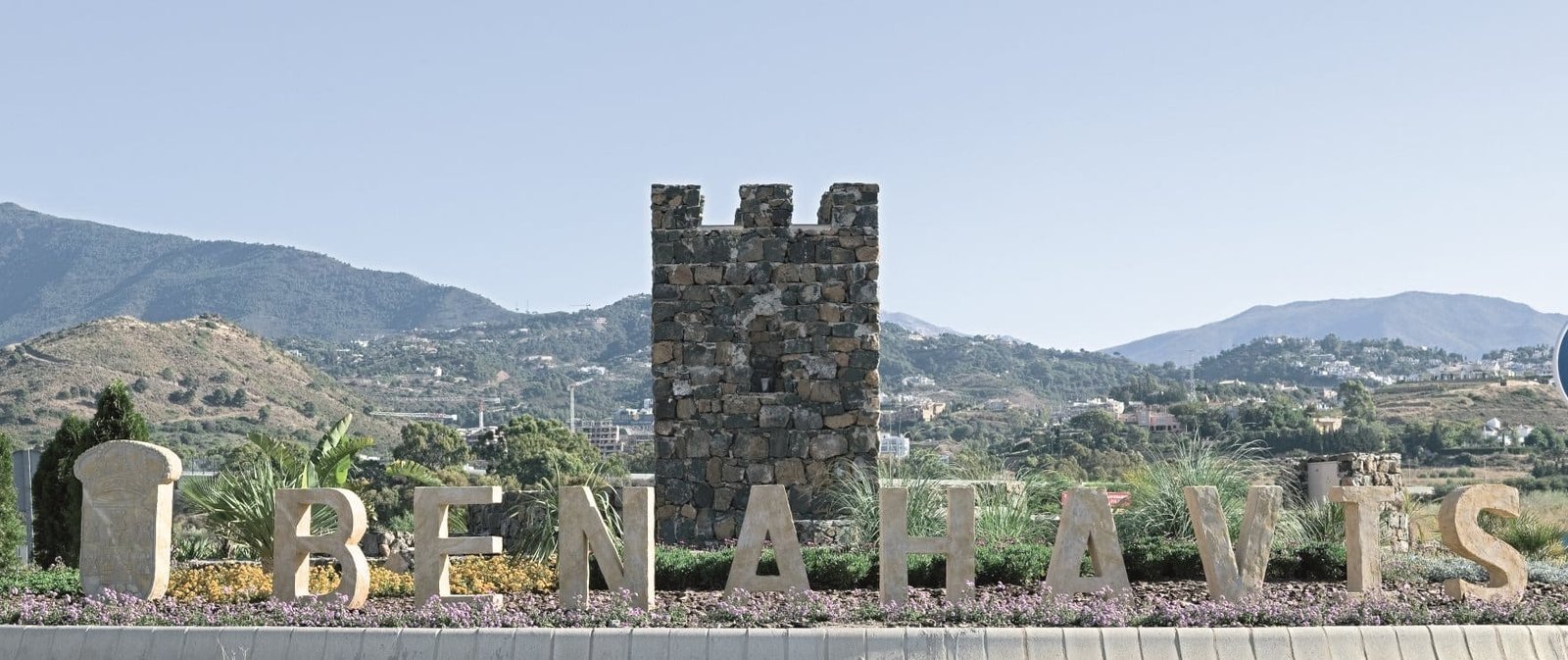
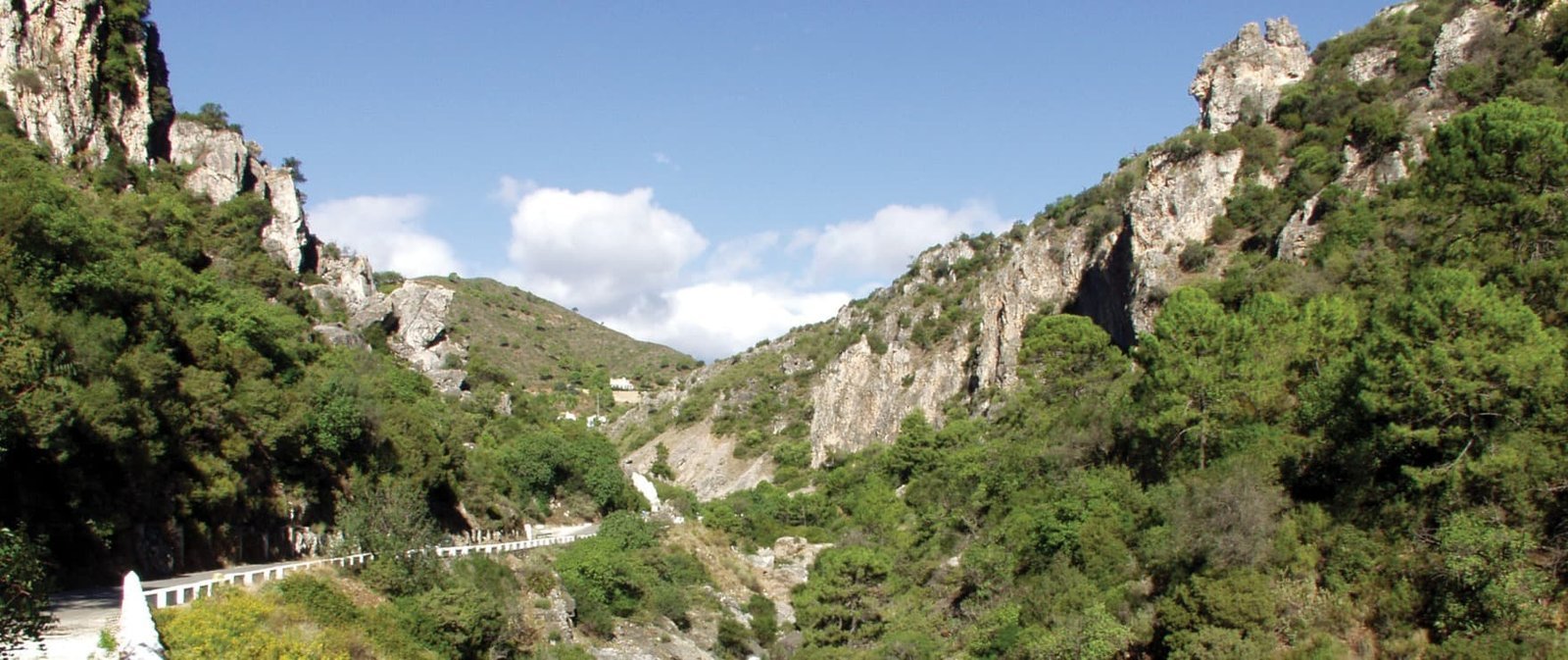
    Benahavis is a beautiful pueblo blanco, set in stunning mountains and cliffs, with offering great local cuisine, artisan crafts and a respite from the busy coast… but what if you want to try someone else for a few days?

    Andalucía is home to some of Spain’s most enchanting villages and towns. From picturesque hillside whitewashed hamlets to dramatic gorge‑spanning cities, here’s your guide to the most beautiful places in the region:

    Ronda (Málaga province)

    Perched over a dramatic gorge and connected by the iconic Puente Nuevo, Ronda is a historic gem dating back to Roman and Moorish eras, and one of Andalucía’s most famous and romantic towns.

    Zahara de la Sierra (Cádiz)

    Set against a turquoise reservoir and crowned by a ruined Moorish castle, Zahara offers sweeping views and rich history in a small but unforgettable package.

    Setenil de las Bodegas (Cádiz)

    This unique village is partially built into cliff overhangs—its “cave‑houses” and shaded rock streets make it visually striking and cooler on hot days.

    Frigiliana (Málaga)

    With its narrow cobbled alleys, hanging flower pots, and sea views, Frigiliana is both photogenic and steeped in Moorish charm. It’s frequently cited as one of Spain’s prettiest villages.

    Zuheros (Córdoba)

    A jewel of the Subbética hills with a crag‑top castle and olive‑oil producing surrounds. Zuheros is remote, stunning, and often named among the very best beyond the usual routes .

    Grazalema & Benaocaz (Cádiz)

    Grazalema sits in the pine‑forested Sierra de Grazalema; Zahara’s neighbour, both excellent for mountain lovers and local gastronomy.

    Arcos de la Frontera (Cádiz)

    Clinging to a limestone ridge with Ottoman churches and sweeping valley views, Arcos is both elegant and atmospheric.

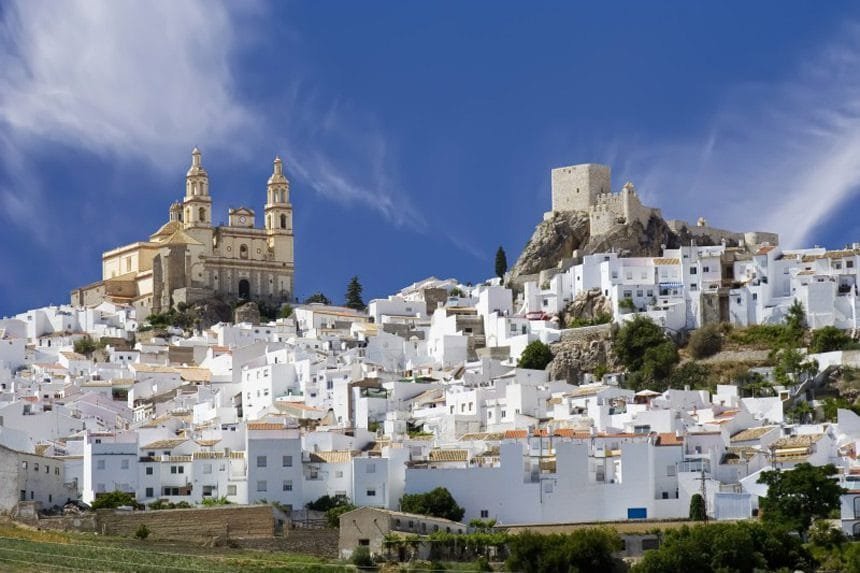
    Olvera (Cádiz)

    A striking hilltop town with a soaring church and castle dominating whitewashed homes—one of Andalucía’s most scenic viewpoints.


    🏔  Mountain Villages in the Alpujarras & Sierras

    • Pampaneira, Bubión, Capileira (Granada’s Alpujarras): Moorish‑heritage villages set against the stark beauty of Sierra Nevada, connected by walking trails and known for whitewash, flowing mountain streams, and serene ambiance.

    • Lanjarón: A well‑known spa town where bottled mineral water originates. Surrounded by hills and wellness resorts, offering both history and relaxation.

    • Trevélez: Spain’s highest village (~1,476 m), famed for ham‑curing and snowy winter charm in the southern Sierra Nevada.


    🌊 Coastal & Cultural White Villages

    • Mojácar (Almería): A terraced white village rising from the coastline, with floral lanes, expansive views and proximity to Cabo de Gata‑Níjar Natural Park.

    • Vejer de la Frontera (Cádiz): A hilltop retreat near Atlantic beaches, blending Andalusian beauty with Atlantic breezes and a strong historic vibe.

    • Canillas de Albaida & Gaucín (Málaga region): Smaller gems set in Tejeda‑Almijara mountains. Teenie burgs offering serene scenery, traditional gastronomy, and views of Gibraltar and the Mediterranean in Gaucín’s case.


    📋 Suggestions for a Memorable Andalucían Route

    Start Point Suggested Itinerary
    Málaga or Granada Visit Alpujarras (Capileira → Pampaneira → Bubión), then north to Zuheros, onward to Iznájar (hilltop lake views and castle).
    From Cádiz Explore Arcos de la Frontera, Zahara de la Sierra, Grazalema, and Olvera/Setenil via the Ruta de los Pueblos Blancos.
    Coast & mountain mix Combine Frigiliana, Mojácar, Vejer, and Ronda—an ideal blend of sea views and white village charm mid‑mountains.

    🌿 Why these towns enchant

    • Whitewashed beauty: Reflective facades, Moorish layout, blooming bougainvillea, narrow alleys.

    • Views: From cliffs, reservoir surfaces, sea and mountain panoramas.

    • Authenticity & pace: Many still preserve local cuisine, artisan crafts, festivals (Semana Santa, local ferias).

    • Accessible yet unspoiled: Away from major cities and crowds, these offer quieter, cultural immersion.


    ✨ Hidden Treasures & Local Picks

    Many villages are part of the “Pueblos más bonitos de España” network, praised for their beauty and sustainable tourism. Among the most visited are Níjar and Vejer de la Frontera—especially popular from May to October along the coast.

    Readers’ travel tips also recommend El Rocío near Doñana for birdwatching, and Segura de la Sierra in Jaén for its scenic charm within a UNESCO biosphere area.


    ✅ Final thoughts

    Whether you’re drawn to photogenic vistas, historic lanes, or tapas by the reservoir, Andalucía’s villages offer something for every traveler. Prioritize destinations like Ronda, Frigiliana, Zahara, and Zuheros for a mix of visual drama and cultural depth. And if you’re road‑tripping, don’t miss the Ruta de los Pueblos Blancos, weaving together centuries of heritage and postcard‑perfect views.
  • Life in Benahavís: Andalusia’s Hidden Gem

    Life in Benahavís: Andalusia’s Hidden Gem

    [siteorigin_widget class=”Ert_Title_Widget”][/siteorigin_widget]

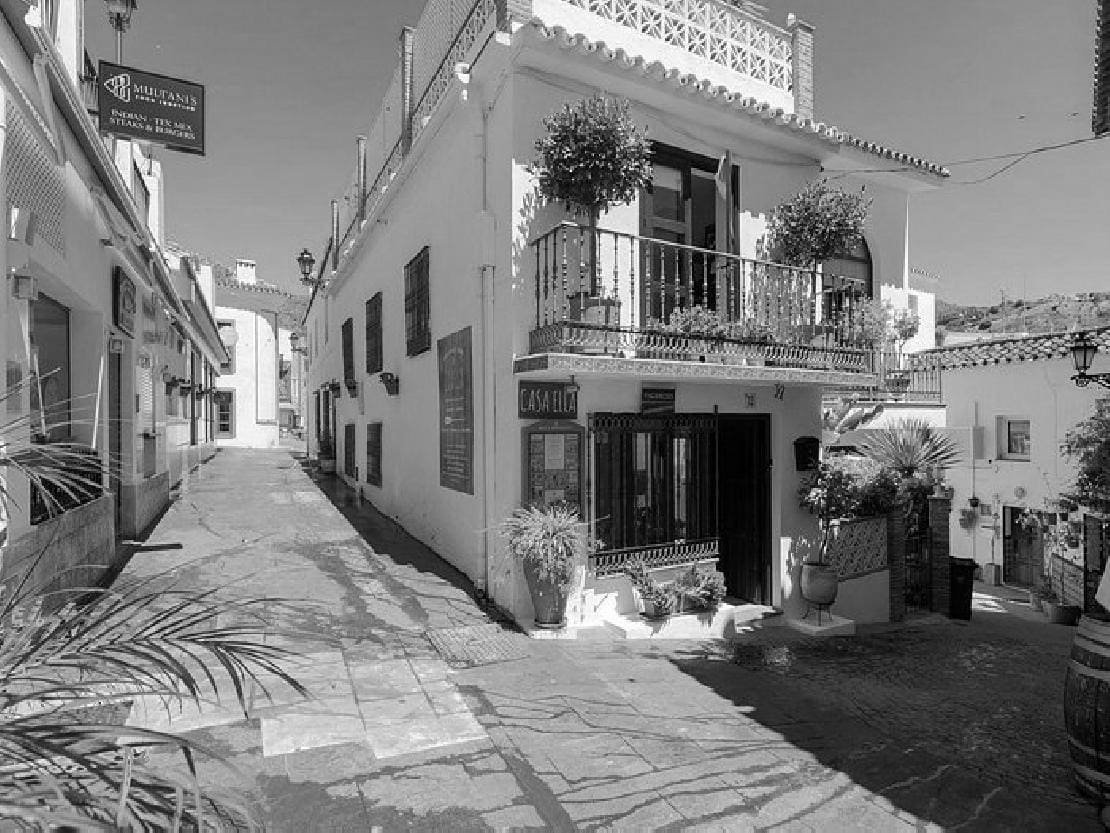
    Nestled in the hills just a few kilometers inland from the glamorous coastlines of Marbella and Estepona, Benahavís is a charming Andalusian village that blends luxury living with authentic Spanish soul. With its whitewashed facades, meandering cobblestone streets, and lush natural surroundings, Benahavís has earned its reputation as one of southern Spain’s most desirable places to live.

    🏡 Why Live in Benahavís?

      
    • Tranquil Atmosphere: Unlike its bustling coastal neighbors, Benahavís offers peace and privacy. It’s perfect for those seeking a more serene lifestyle without sacrificing convenience.
    • Stunning Natural Beauty: Surrounded by mountains and rivers, the area is a paradise for hikers, cyclists, and nature lovers.
    • Luxury Real Estate: The region boasts some of the most prestigious gated communities and villas in Europe, including La Zagaleta and El Madroñal.
    • World-Class Golf: With more than 10 golf courses within a short drive, it’s a dream destination for golf enthusiasts.
    • Top-Tier Dining: Known as the “dining room of the Costa del Sol,” Benahavís hosts a variety of gourmet restaurants and tapas bars that attract foodies from across the region.

    🧘‍♂️ Lifestyle & Community

          
    • Expat-Friendly: The village has a thriving international community, yet retains its traditional Spanish charm.
    • Activities Galore: From yoga in the hills to horseback riding, wine tastings, and art classes, there’s no shortage of ways to embrace the Andalusian lifestyle.
    • Safety & Cleanliness: Benahavís is well-maintained and boasts one of the lowest crime rates in the area.
    • Proximity to Everything: Just 15 minutes from the beach, world-class shopping, private schools, and nightlife.

    🏞️ Hidden Highlights

       
    • Charco de las Mozas: A scenic spot where locals dive into natural pools carved into the river’s rocky banks.
    • Castle Ruins: Explore the remnants of a 10th-century fortress that still stands guard over the valley.
    • Benahavís Art & Culture: Regular exhibitions, local artisan markets, and live performances give this village a creative heartbeat.

    🏫 Schools in Benahavís

        
    Whether you’re raising a family or just curious about the educational landscape, Benahavís offers a mix of traditional and cutting-edge options:
              
    • CEIP Daidín: A well-regarded public school for ages 3–12, known for its bilingual curriculum and strong extracurricular programs.
    • Escuela Infantil Benahavís: A municipal nursery offering early childhood education with a focus on play-based learning.
    • Creators International School: Opening in September 2025, this tech-focused British school is a game-changer. It emphasizes STEM subjects, small class sizes (12 students max), and offers flexible boarding options.
    • Colegio Atalaya: A bilingual private school offering infant to senior education, blending Spanish and English methodologies.
    • Escuela de Hostelería: A culinary school that doubles as a gourmet restaurant — perfect for aspiring chefs or foodies looking to take a course.


    It is also worth noting that there are other popular schools, such as Aloha College, The American Collage, Laude International, Calpe and St Georges within 15 minutes drive of many areas of Benahavis. 

    💸 Cost of Living

       
    Benahavís is known for its luxury, but there’s a range of affordability depending on your lifestyle:
       
    Expense
    Average Cost
    Property (per m²)
    €4,746 – €5,050
    Rent (per m²)
    €17.50 – €17.60
    Monthly groceries
    €300 – €500
    Bus to Marbella/San Pedro
    ~€1.40 per trip
    Dining out
    Tapas bars are affordable; fine dining is plentiful
         
    💡 Tip: Registering as a resident (on the town hall padrón) gives you access to free language classes, arts workshops, and sports like padel and tennis.

    🕵️‍♂️ Local Secrets Only Residents Know

        
    Here’s the kind of insider scoop you won’t find on a travel brochure:
       
    • Charco de las Mozas: A hidden natural pool where locals go cliff-jumping and swimming in crystal-clear mountain water.
    • Acequia del Guadalmina Trail: A scenic hike along an ancient irrigation channel with picnic spots and swimming holes.
    • Town Hall Perks: Residents get their photo immortalized in the town hall archives — a quirky but charming tradition.
    • Artisan Vibes: The village is home to artists like David Marshall, whose sculptures adorn local homes and galleries.
    • Cultural Hub: The town’s cultural center hosts exhibitions, seminars, and even Shakespeare quotes etched into whitewashed walls.
    • Sunday Market: Held near a shrine just outside the village, it’s a treasure trove of antiques, crafts, and local produce.

    📝 In Summary

      
    Benahavís isn’t just a place to live — it’s a place to belong. Whether you’re drawn to its schools, its serenity, or its secret swimming spots, it’s got layers worth exploring.
        
    Living in Benahavís means waking up to mountain views, enjoying long lunches that stretch into sunset, and becoming part of a close-knit, welcoming community. Whether you’re looking to retire in style or raise a family in a place that values both tradition and luxury, Benahavís is a spectacular choice.
    [siteorigin_widget class=”SiteOrigin_Widgets_ImageGrid_Widget”][/siteorigin_widget]
    [siteorigin_widget class=”SiteOrigin_Widgets_ImageGrid_Widget”][/siteorigin_widget]
  • La Zagaleta vs El Madroñal vs El Herrojo Alto

    La Zagaleta vs El Madroñal vs El Herrojo Alto

    La Zagaleta vs El Madroñal vs El Herrojo

    A practical guide to choosing the right gated community in Benahavís — privacy, access, lifestyle and price context.

    La Zagaleta gated estate Benahavís with golf courses and mountain views

    La Zagaleta, El Madroñal and El Herrojo are three of the best-known gated residential communities in Benahavís. They all offer security and a strong sense of privacy, but day-to-day life feels very different in each one.

    This guide compares them in a practical way — location, setting, lifestyle, property style and the type of buyer each tends to suit — so you can narrow down which community fits your priorities.

    When you’re ready, you can explore current listings here:

    If La Zagaleta is your front-runner, these two guides are worth reading alongside this comparison: La Zagaleta micro-location explained and buying property in La Zagaleta. For running costs, see La Zagaleta community fees and memberships.

    Location & setting

    La Zagaleta is a vast private estate in the Benahavís hills where the sense of space and separation is part of the appeal. It feels self-contained, and internal driving time within the estate can be a consideration depending on where a home sits. (If you haven’t yet, this is where micro-location becomes a key factor.)

    El Madroñal runs along the Ronda Road (A-397) and offers elevation, greenery and open views, while remaining very practical for San Pedro and the coast.

    El Herrojo sits close to La Quinta and is typically chosen for convenience: quick access to golf, schools, Nueva Andalucía and Puerto Banús, while still benefiting from a gated, residential feel.

    Privacy & security

    La Zagaleta is often the benchmark for discretion. Its scale, controlled access and private-road environment appeal to buyers who want maximum separation from the outside world.

    El Madroñal is accessed via multiple gated entrances and is widely regarded as one of the most private residential areas in Benahavís. In practice, the feeling of privacy comes as much from plot size and low density as it does from security infrastructure.

    El Herrojo is also gated and secure, but tends to feel more connected day to day — often attractive to families who want a residential rhythm alongside easy access to schools and golf.

    Lifestyle & everyday practicality

    La Zagaleta suits buyers who prefer a more self-contained environment, with a private, members-style feel and facilities that reduce the need to leave the estate frequently. (If club access and running costs matter, see community fees and memberships.)

    El Madroñal is quieter and more nature-led. Daily amenities are nearby (Monte Halcones, San Pedro), and the lifestyle tends to be calm and private rather than “resort-centred”.

    El Herrojo is the most convenience-led. Being close to La Quinta and Nueva Andalucía makes it easy to combine gated living with restaurants, sports clubs and everyday services.

    Homes & price context (high-level)

    La Zagaleta is villa-only at the very top end, with large plots and a strong emphasis on discretion. Pricing spans widely depending on views, position and build standard, with the upper end among the highest on the Costa del Sol.

    El Madroñal is also predominantly villa-led, typically on generous plots. It appeals to buyers who want “estate space” and a hillside setting without La Zagaleta’s full scale and internal driving distances.

    El Herrojo leans towards contemporary family villas and modern builds. Plots can be more manageable, and many buyers like the “lock-up-and-leave” practicality while still enjoying open views.

    Who each one tends to suit

    Choose La Zagaleta if maximum discretion, scale and a self-contained estate environment are your priorities — and you’re comfortable with the practical reality of a very large private domain.

    Choose El Madroñal if you want privacy, greenery and panoramic views with a calmer, more nature-led feel — while keeping access to San Pedro and the coast straightforward.

    Choose El Herrojo if you want gated living with quicker access to schools, golf and Marbella’s lifestyle hubs — and you prefer a more connected, residential rhythm over a secluded hillside estate feel.

    A simple way to decide

    If you’re torn, start with day-to-day priorities: do you want complete separation (La Zagaleta), quiet hillside privacy with practical access (El Madroñal), or gated convenience close to golf, schools and Marbella (El Herrojo)? Once that’s clear, the right community usually becomes obvious.

    If you’d like help comparing current listings, budgets or lifestyle trade-offs between these communities, we can talk you through the options and shortlist suitable homes.

    Explore La Zagaleta →
    |
    Explore El Madroñal →
    |
    Explore El Herrojo →

    For La Zagaleta-specific due diligence, you can also read Buying property in La Zagaleta: what buyers should know.

    [siteorigin_widget class=”WP_Widget_Custom_HTML”][/siteorigin_widget]
  • How to Get a NIE Number in Spain (2026 Step-by-Step)

    How to Get a NIE Number in Spain (2026 Step-by-Step)

    How to Get a NIE Number in Spain in 2026

    A step-by-step guide for expats


    If you’re planning to live, work, study or buy property in Spain, one of the first things you’ll need is a
    NIE number (Número de Identificación de Extranjero).

    This unique foreigner identification number is essential for most legal, financial and administrative processes in Spain — from opening a bank account and signing a property deed to paying taxes or enrolling children in school.

    This updated 2026 guide explains what a NIE is, who needs one, how to apply, what documents are required, typical costs, and practical tips to avoid delays.

    What is a NIE number?

    A NIE is a personal identification number issued to non-Spanish nationals for tax and legal purposes. It is used across all interactions with Spanish authorities and institutions.

    Important: The NIE itself is permanent. Once issued, it is valid for life and does not expire — even if your residency status changes.

    Who needs a NIE in Spain?

    • EU / EEA citizens: Must register as residents and obtain a NIE if staying in Spain for more than 90 days.
    • Non-EU citizens (UK, USA, Canada, etc.): Are automatically assigned a NIE as part of their residency (TIE) application.

    Even non-residents often need a NIE to buy property, open a Spanish bank account or pay taxes.

    How to get a NIE number in Spain (step-by-step)

    1. Book your appointment (cita previa)

    NIE applications must be submitted by appointment through Spain’s official government booking system.

    • Visit the official cita previa portal
    • Select your province
    • Choose the correct procedure:
      • “Certificados UE” — for EU citizens
      • “Asignación de NIE / Tarjeta de Identidad de Extranjero” — for non-EU citizens
    • Enter your personal details and confirm the appointment

    Tip: In popular areas such as Málaga, Marbella or Madrid, appointments can take 4–8 weeks. Applying via a Spanish consulate abroad may take longer.

    2. Prepare the required documents

    While requirements can vary slightly by province, you will typically need:

    • Application form
      – EU citizens: Form EX-18
      – Non-EU citizens (NIE-only request): Form EX-15
    • Proof of purpose (why you need a NIE): property purchase, job offer, business activity, study enrolment, etc.
    • Passport: original plus photocopies
    • Passport photos (usually 1–2, colour)
    • Proof of legal entry or visa (non-EU citizens)
    • Form 790 Código 012 — NIE tax payment receipt

    📌 All forms must be completed in Spanish. Only Spanish-language versions are accepted.

    3. Pay the NIE fee

    The NIE fee is paid using Form 790, Código 012.

    In 2026, the fee is typically around €12, though minor adjustments may occur. Payment can be made at most Spanish banks or ATMs after printing the form.

    4. Attend your appointment

    Attend your appointment at the Oficina de Extranjería or Policía Nacional with all original documents and copies.

    Depending on the office, your NIE may be issued immediately or collected within 5–10 working days.

    Helpful tips to avoid delays

    • Bring photocopies of everything — including your passport
    • Check local requirements in advance, as rules can vary slightly by region
    • Arrive early for your appointment
    • Store your NIE safely — you’ll need it frequently

    Frequently asked questions

    Is a NIE number permanent?
    Yes. Once issued, your NIE is valid for life.

    Can I apply for a NIE before moving to Spain?
    Yes. Applications can be made through a Spanish consulate abroad, though processing times are usually longer.

    Do I need a job or property to get a NIE?
    No, but you must provide a legitimate reason for requesting one.

    How much does a NIE cost in 2026?
    Approximately €12, subject to minor annual adjustments.

    Final thoughts

    Obtaining a NIE is one of the most important first steps when moving to Spain. Once you have it, you can legally:

    • Open Spanish bank accounts
    • Buy or rent property
    • Sign employment or business contracts
    • Pay taxes and register for healthcare or education

    If you’re planning to relocate or buy property, understanding the NIE process early will save you time and stress later on.

  • Why High-Net-Worth Buyers Are Quietly Choosing Benahavís in 2025

    Why High-Net-Worth Buyers Are Quietly Choosing Benahavís in 2025


    Why High-Net-Worth Buyers Are Quietly Choosing Benahavís in 2025

    In 2025, affluent buyers are increasingly focused on stealth wealth—and Benahavís, Spain, is meeting that demand. Behind the secure gates of elite communities like La Zagaleta and El Madroñal, residents enjoy biometric access, private roads, and drone-restricted airspace. In this market, privacy isn’t just a feature—it’s the value proposition.

    A Destination for Discreet Living

    Benahavís doesn’t rely on flashy tourism or nightlife. There are no neon signs or rooftop DJ sets. Instead, it offers quiet luxury: elevated terrain, inland seclusion, and a low-profile atmosphere that appeals to seasoned buyers—think architects, financiers, and global executives—who prioritize peace over visibility.

    Property interest surged in 2024, with searches up 18%. Benahavís quietly outpaced its noisier coastal neighbours, thanks in part to its distinct blend of nature, exclusivity, and planning control.

    Why Buyers Are Leaving the Cities

    More buyers from places like Notting Hill, Zurich, and Paris are making Benahavís their second—or even primary—residence. Why? It comes down to space, silence, and simplicity. This is a place where success doesn’t need to be explained, and quiet confidence replaces conspicuous consumption.


    The Geography of Better Living

    Benahavís is located just 7km from the coast, close enough for sea views but far enough to avoid the crowds and humidity. It’s:

    • 20 minutes to Marbella
    • 30 minutes to Estepona
    • 50 minutes to Málaga Airport

    The elevated position provides cooler summer temperatures and year-round serenity. Unlike tourist-heavy zones, Benahavís is a living community — home to international residents who value privacy, quality, and authenticity.


    What’s Available on the Market

    Benahavís is more than a village; it’s a municipality made up of several distinct residential zones. Here’s what’s on offer:

    La Zagaleta

    • Ultra-private gated estate
    • Properties with helipads, cinemas, staff quarters
    • Prices often exceed €10M

    El Madroñal & Monte Mayor

    • Pine-forested hills, modern villas, award-winning architecture
    • Homes range from €700,000 to €10M+

    Real de La Quinta & Tiara

    • Smart home developments with spa access and eco features
    • Walkable amenities, sea and mountain views

    Strict zoning and density limits protect long-term value. Unlike overbuilt coastal areas, Benahavís enforces careful urban planning, making property here both desirable and resilient.


    Sustainable Development on the Rise

    New developments are thoughtfully designed, not mass-produced. Leading projects like:

    • Be Lagom
    • Quercus Real de La Quinta

    These communities focus on sustainability—solar panels, rainwater systems, native landscaping—and appeal to buyers who care about design, efficiency, and investment value.


    A Culinary Hub Without Pretension

    Benahavís is widely known for its food, from hearty steaks at Amanhavis to nine-course tasting menus at Escuela de Hostelería, where future Michelin chefs train. The atmosphere is casual, but the culinary standards are high.

    Beyond the dining scene, residents enjoy:

    • Scenic hiking trails
    • Cycling routes and yoga retreats
    • High-end golf at Los Arqueros, La Quinta, El Higueral

    Here, the lifestyle is active but relaxed, and the views speak for themselves.


    Who’s Buying—and Why Now?

    Most buyers are:

    • In their 40s to 60s
    • Often entrepreneurs, remote executives, or semi-retired
    • Seeking peace of mind, long-term value, and low visibility

    They’re past the party scene and looking for legacy homes in a place where they don’t need to “keep up” or explain their success.


    Considering a Move to Benahavís?

    From private hilltop villas to modern gated homes, the market here is full of off-market opportunities. We have access to properties not listed online, and local expertise that includes:

    • Trusted builders
    • Under-the-radar listings
    • First-hand insights into every community


    📌 Want to explore options in Benahavís? Let us show you what’s really available—beyond the search portals.


  • The most common mistakes when selling a house in Spain

    The most common mistakes when selling a house in Spain

    According to data from idealista, the average price of existing homes in Spain rose by 12.8% year-on-year in May, hitting a historic peak of €2,391 per square metre. Despite the spike, many buyers remain active in the market—partly driven by recent interest rate reductions from the European Central Bank, which have lowered borrowing costs to around 2%.

    This optimism is reflected in a modest uptick in home sales: April saw 53,589 transactions, a 0.4% increase compared to the previous year, based on preliminary data from the College of Registrars. As demand surges, properties are often snapped up within days. Yet for those selling, speed can backfire—leading to costly missteps and diminished profits.


    💼 Preparing Your Home for Sale: Essential Documents

    Before listing your property, ensure you’ve gathered the required paperwork:

    • Energy Efficiency Certificate: Mandatory since June 2023. Issued following a site visit by a qualified technician; cost ranges from €60 to €130.
    • Nota Simple: Verifies there are no encumbrances on the home; available online for €9.20.
    • Occupation Licence: Certifies the property is safe and habitable. Fees range from €60 to €160.
    • Mortgage Cancellation: If the property is mortgaged, it must be paid off prior to sale. Expect fees between €400 and €500.


    💸 Understanding Your Tax Obligations

    Sellers may be liable for the following taxes depending on circumstances:

    Capital Gains Tax (IRPF)
    Levied on profits from the sale:

    Up to €6,000 – 19%
    €6,001–€50,000 – 21% 
    €50,001–€200,000 – 23%
    €200,001–€300,000 – 27%
    Over €300,000 – 28% 

    Exemptions apply if:

    • Profits are fully reinvested into a permanent residence.
    • Seller is over 65 and the home is their primary residence.
    • Seller is a dependent individual.

    Municipal Capital Gains Tax (Plusvalía)
    Charged by local councils based on the property’s value increase since purchase. Rates vary by municipality.


    🚫 Avoiding Common Seller Mistakes

    Selling property is often a once-in-a-decade event. It’s easy to overlook updated regulations or miscalculate expenses. Expert advice is key.


    🔍 Frequently Overlooked Costs:

    • Annual Property Tax (IBI): If you’re the registered owner on January 1st, you’re responsible for that year’s tax—unless you’ve negotiated otherwise with the buyer.
    • Notary Fees: Cancelling a mortgage involves signing a deed with a notary, which may cost up to €500.
    • Agency Fees: Commission fees depend on the agreement with the real estate agent and may be paid by the buyer or seller.


    📑 Checklist of Supporting Documents

    To ensure a smooth sale, have these documents ready:

    • Energy Certificate
    • Nota Simple
    • Homeowners’ association payment certificate (if applicable)
    • Association bylaws, service contracts, floorplans, original property documents
    • Certificate of IBI payments
    • Utility bills (water, electricity, gas)


  • The Most Exclusive Property For Sale in Spain

    [siteorigin_widget class=”SiteOrigin_Widget_Hero_Widget”][/siteorigin_widget]

    Villa Ensō

    🏡 Villa Ensō is a jaw-dropping mega-mansion nestled in the ultra-exclusive La Zagaleta community near Marbella, Spain. It’s not just a home—it’s a statement.


    🌟 Key Highlights

    • Size & Layout: Sprawling across a 6,460 m² plot, the villa boasts a built area of 3,274 m² spread over three floors.
    • Bedrooms: 10 luxurious bedrooms, including a master suite with its own private wing and a serene Japanese garden.
    • Staff Quarters: 6 additional bedrooms for staff, ensuring seamless service.


    🚗 Car Lover’s Dream

    • A garage fit for royalty—with space for 15 cars, including Ferraris, and lounge areas to showcase the collection.


    💆‍♀️ Spa & Wellness

    • Dual swimming pools: a 25-meter outdoor pool and a 20-meter indoor heated pool, separated by glass and featuring a gigantic outdoor TV.
    • Spa amenities include saunas, massage rooms, an ice room, hair and beauty salon, and two showrooms.


    🎉 Entertainment Galore

    • Champagne room, multiple bars, high-end cinema, gym, and games room.
    • Open-plan living areas with double-height ceilings and panoramic sea views stretching to North Africa and Gibraltar.


    💰 Investment Potential

    • Listed at €34 million, with a projected rental yield of 16.9% and annual revenue of around €200,500.


    Villa Ensō isn’t just a residence—it’s a modern-day palace designed to impress at every turn.


    [siteorigin_widget class=”SiteOrigin_Widgets_ImageGrid_Widget”][/siteorigin_widget]
  • Keeping Cool in Benahavís: Your Summer Survival Guide

    Keeping Cool in Benahavís: Your Summer Survival Guide

    [siteorigin_widget class=”WP_Widget_Block”][/siteorigin_widget]

    ☀️ Keeping Cool in Benahavís: Your Summer Survival Guide


    Nestled in the Andalusian hills, Benahavís is a sun-drenched paradise—but when summer temperatures soar past 30°C (86°F), even paradise needs a plan. Whether you’re a local or a lucky visitor, here’s how to stay cool, calm, and collected during the sizzling months.

    🏡 Chill at Home

    • Close blinds and shutters during the day to block out heat, especially on south-facing windows.
    • Create cross-ventilation by opening windows on opposite sides of your home in the early morning and late evening.
    • Use fans strategically—place a bowl of ice in front of a fan for a DIY air conditioner.
    • Switch to cotton for bedding and sleepwear. It breathes better and helps wick away sweat.

    🧊 Hydration & Diet

    • Drink water regularly, even if you’re not thirsty. Add lemon, mint, or cucumber for a refreshing twist.
    • Avoid heavy meals—opt for gazpacho, fresh salads, and chilled fruit like watermelon or grapes.
    • Limit alcohol and caffeine, which can dehydrate you faster than you think.

    🌳 Outdoor Tips

    • Avoid the midday sun (11 a.m. to 3 p.m.) when UV rays are strongest.
    • Wear light-colored, loose-fitting clothes and a wide-brimmed hat.
    • Cool down at local spots like the Guadalmina River walk or shaded terraces in the village.
    • Take a dip—Benahavís has some stunning natural pools and nearby beaches just a short drive away.

    🧘‍♀️ Bonus Hacks

    • Mist yourself with a cooling spray or keep a damp cloth in the fridge for a quick refresh.
    • Freeze your sheets (yes, really!) or pop your pillowcase in the freezer before bed.
    • Sleep low—heat rises, so consider moving your mattress closer to the floor.


    What Do The Locals Do? 

    🍷 Drink tinto de verano

    There are lots of refreshing drinks to enjoy in summer in Spain, but one of the most popular is tinto de Verano or summer wine. Spaniards don’t often drink sangría – this is mainly for tourists. Instead, they’ll drink tinto de verano made from red wine mixed with fizzy lemonade.

    🔅 Don’t dare go outdoors in the middle of the day

    In Benahavis village you’ll find that the streets will be completely quiet and empty between around 1pm – 5pm. The shops that are still open during summer will likely be closed and everyone will be home hiding from the sun. It may even feel like you’ve stumbled across a ghost town but it’s just that Spaniards know that it’s way too hot to spend time outdoors.  

    💤 Take a siesta

    Siestas during most of the year in Spain are actually a bit of myth – people are too busy working, kids are at school and life is as hectic here as it is in any other country. But in summer, siestas are almost a necessity in many parts of the country because it’s simply too hot to get anything done, especially with a full stomach after lunch.

    💃 Keep an abanico fan with you at all times

    Take a leaf out of the book of the Spanish abuelas (grandmas) and carry a handheld fan with you during summer. You never know when you’ll need some extra cooling down, they’re not just for flamenco! 

    🏖 Take as many home comforts as possible to the beach

    Spaniards don’t only take a towels and buckets and spades with them to the beach, no they come laden with as many comforts as possible to sustain them during the whole day. Think deck chairs, small tables, huge parasols, cool boxes, homemade food – the works. You are likely to feel quite jealous of everything they’ve brought, so come prepared.

    🎊 Enjoy local festivals

    Summer is a time for going away, shutting up shop and having siestas, but it’s also a time for celebration as many towns, villages and neighbourhoods celebrate their annual festivals at this time. Some of the biggest include the Moros y Cristianos festival in Villajoyosa, La Tomatina tomato fight in Buñol and the San Fermín bull runs in Pamplona.

    August 15th is the day with most local festivals, as 1,205 municipalities across the country hold their local fiestas patronales.

    🍅 Take advantage of all of Spain’s cold soups

    Forget trying to cook a hot meal in summer, it’s far too hot to turn the oven or the stove on, instead do as the locals do and live on a variety of cold soups. Spain has several traditional cold soups – which are mostly from different areas in Andalusia. The most famous is of course gazpacho made from tomatoes, peppers, cucumber, garlic and olive oil. salmorejo is thicker with the addition of bread, boiled egg and ham, and is most typical from Córdoba. Porra is again even thicker and can be found in the historic city of Antequera. Other cold soups include ajo blanco found around Málaga and Cádiz and made with almonds, bread, garlic and sherry vinegar. There’s also la pipirrana from Jaén and variations of gazpacho made with watermelon or cherries.

    🏠 Spend la tarde al fresco

    When evening comes and the day finally begins to cool a bit, Spaniards start to head out outside again to catch some breeze. As many people don’t have air-con or can’t afford to run it all the time, going outside is one of the only ways to get cool again. You’ll often find that locals in their barrios (neighbourhoods) grab a chair and sit outside their houses when the sun goes down, making it an extension of their living rooms as they chat to their neighbours. In theory, you could do the same on a balcony. 

    Benahavís may bring the heat, but with a few clever tricks, you’ll be basking in the sunshine without breaking a sweat. 

  • The rules for registering tourist rentals with Spain’s government by July

    The rules for registering tourist rentals with Spain’s government by July


    New rules which come into force on July 1st 2025 mean homeowners who rent out tourist properties must register them with Spain’s government. These are the requirements, exceptions, an overview of the registration process and other key information.

    As 2024 came to an end, the Spanish government finally approved new regulations for the official registration of tourist rentals in Spain. 

    Although the rules officially came into force on January 2nd 2025, the law establishes a transition period lasting until 1 July 2025 in which all short-term, tourist property owners affected can register in the new system.

    The tourist rental register is for all houses and flats that are not rented out as permanent residences, meaning it will affect seasonal rentals, tourist rentals and room rentals. As such, Airbnb properties rented for short-term, tourist purposes will need to be registered.

    However, note that the law also clarifies that rentals “without financial remuneration” are not subject to this regulation and won’t have to be registered. Moreover, regional authorities and local councils may establish their own additional inspection and control procedures.

    What’s the register for?

    It essentially means that in order for a home to be marketed on digital platforms, say on Airbnb or Idealista, it must now appear in a new registry – the so-called ‘lease registration platform’ (Ventanilla Única Digital de Arrendamientos in Spanish).

    In the past anyone could advertise their properties on online platforms such as Airbnb. There was no one checking if they actually had a tourist licence when it came to advertising online.

    This registry will verify that the property meets all the legal requirements to function as a holiday or seasonal rental. If it meets them all, it will be issued with an identification number to be able to advertise online.

    The registers will be for all rentals lasting less than one year, which includes tourist apartments, such as Airbnbs, as well as other temporary rentals, rooms and even floating boats.

    What do property owners need to do and how long does it take?

    Compliance with the law will be monitored through the new state platform and property owners themselves will have to go to be identified and put on the registry. If you want to rent your property, you must be registered.

    The Spanish government has stated that there will be a period of around 15 days in which authorities will check if the property complies with all regulations before an ID number is issued. However, with only two weeks to go before the deadline, just 100,000 registrations have been made throughout the country so far, according to data from Spain’s Association of Registrars. Reports in the Spanish press suggest this would mean that around 70 percent of total tourist flats in Spain have not yet been registered, with the deadline, July 1st 2025, rapidly approaching.

    According to the Association of Registrars, the number of registrations is expected to increase in the last two weeks before the deadline because staff have received specific training to manage the process.

    How do I register my property?

    Applications for a registration number must be made online or at Colegio de Registradores offices. In theory, this can be done online via electronic certificate, though many foreign property owners either don’t have them or have had trouble accessing the application using them.

    The website for the application on the Registradores site can be found here. The organisation has also provided a handy guide for the process, though in Spanish. That’s available here.

    To request a retal registration number, you need to access the CORPME ‘Electronic Office’ and follow these steps:

    • Fill in the corresponding online form
    • Download the PDF of the completed form
    • Submit a new application via the online submission service, selecting the type of operation“ASIGNACION DEL NÚMERO DE REGISTRO DE ALQUILER PARA ALQUILERES DE CORTA DURACIÓN”, attaching the PDF of the completed form together with the rest of the supporting documentation, 

    The supporting documents include:

    • The cadastral reference of the property
    • Exact address of the accommodation
    • Information on the rental model (in other words, an entire property or rooms)

    In addition, you must provide the number of people who will be using the property and confirm that you meet the requirements established by each region for providing rental properties.

    For the complete information, you can find the Ventanilla Única Digital page on the Spanish government website here.

    Which properties are included?

    Looking more closely at the law, the wide-ranging regulation includes: “tourist rentals, seasonal rentals, rooms and any other property that is offered for short stays and in exchange for financial remuneration”. This includes complete dwellings, individual rooms and even boats: “they shall also include accommodation on ships, boats or naval vessels,” the text says.

    Article 4 of the law details that the properties must comply with the following characteristics: “have a temporary use, such as holiday, work or medical treatment stays and have adequate furnishings and equipment.”

    As such, hotels, campsites and any accommodation already regulated under specific tourism regulations are excluded from the database.

    Why is the government doing this?

    The registry represents the latest bid by the Spanish government to get control of the tourist accommodation sector, in particular its inflationary effect on the Spanish residential rental market. Tourism and housing (and the interplay between the two industries) have become big issues in the country and 2024 was dominated by protests around Spain.

    Spain currently has 351,389 tourist properties, representing 1.5 percent of the total number of dwellings in the country. With so many run illegally or unofficially, in reality the number is likely far higher.

    These properties offer almost two million accommodation places (1.99 million), with an average of 5.3 places per unit. Andalusia and Valencia are the regions with the highest number of tourist rentals, with 88,435 and 71,186 accommodations, respectively.

    What are the penalties if I don’t register my property?

    Failure to comply with the requirements for tourist rental registration can have serious consequences for owners, including financial and legal penalties.

    Penalties can range from fines of up to €600,000 to restrictions on the ability to rental tourist accommodation. In cases of repeated non-compliance, owners risk having their licences or permits revoked.

  • Trends in the Benahavis property market this June

    Trends in the Benahavis property market this June

    As of June 2025, the Benahavís property market continues to attract discerning buyers seeking a blend of luxury, tranquillity, and scenic beauty. Known for its picturesque village charm and proximity to Marbella and the Costa del Sol’s coast, Benahavís remains a sought-after enclave for both primary residences and second homes.

    Key Trends in June 2025:

    Price Developments: Property prices in Benahavís have experienced steady growth, with an average increase of approximately 4-5% compared to the previous year. High-end villas and boutique developments remain at the forefront of demand, supporting premium pricing.

    Luxury Real Estate: The market for exclusive villas and gated community homes continues to flourish, driven by affluent international buyers and investors seeking privacy and luxury amenities.

    Market Confidence: Economic stability and positive sentiment towards real estate investment have bolstered buyer confidence. Low mortgage rates and flexible financing options make purchasing appealing.

    Development and New Projects: Several new luxury developments are underway, emphasizing sustainability and modern design, while existing enclaves such as La Zagaleta, Los Arqueros, and Benahavís Village continue to be popular.

    Lifestyle and Investment Appeal: Nature lovers and golf enthusiasts are particularly drawn to the area’s scenic landscapes and world-class golf courses, adding to the region’s attractiveness.

    Market Dynamics: Supply remains relatively limited, especially in the high-end segment, creating a competitive market environment. This scarcity supports price stability and growth potential.

    Overall, the Benahavís property market in June 2025 is characterized by resilience and a focus on luxury, making it an appealing market for high-net-worth individuals and investors seeking exclusivity, natural beauty, and investment security. Buyers and investors are encouraged to collaborate with local specialists to capitalize on emerging opportunities in this prestigious area.