Tag: Gated Community

  • Community Fees: What are they and what’s included

    [siteorigin_widget class=”Ert_Title_Widget”][/siteorigin_widget]

    Community fees — known locally as gastos de comunidad — are regular payments made by owners of apartments, townhouses and villas within shared developments. These fees ensure that the communal areas you use and enjoy every day are well maintained, safe and functional. Although every community is different, most cover a similar set of services.

    What Community Fees Typically Include

    In most developments, your fees contribute to the upkeep of shared areas. This usually covers the cleaning of hallways, stairwells and gardens, as well as the electricity and water needed for lighting, irrigation and pool systems. Buildings with lifts will also use part of the budget for routine lift servicing and repairs, along with general maintenance of shared infrastructure.

    Many communities employ staff to look after the development. This may include a caretaker or concierge, gardeners, pool technicians and, in some cases, lifeguards during the summer months. Larger or higher-end communities often add security patrols or 24-hour gate staff. Most also hire a professional administrator or management company to handle budgets, meetings and day-to-day organisation.

     Insurance is another essential part of the budget. Community fees normally include buildings insurance for the communal structure, plus public liability cover. Legal and accounting services also fall into this category, ensuring the community stays compliant with Spanish regulations.

    In some private urbanisations, the community may also be responsible for costs that are normally handled by the town hall — for example rubbish collection, private road repairs, or street lighting within the estate.

     How Much Do Community Fees Cost?

    The cost varies widely depending on the size of the development and the level of amenities. As a general guide:

    • Basic communities: around €50–€100/month

    • Mid-range communities: €100–€250/month

    • Luxury or full-service developments: €300–€1,000+ per month, especially where you have features such as staffed security gates, lush landscaped gardens, multiple pools, gyms, spas or on-site sports facilities like tennis and golf

    Your exact amount is determined by your property’s cuota de participación — its ownership share expressed as a percentage. This figure is based on the size, position and characteristics of your home within the development, and it dictates how much you contribute toward the annual budget.

    In Summary


    🏘️ Maintenance & Utilities

    • Cleaning of communal areas (hallways, stairwells, gardens)
    • Electricity and water for shared spaces (lighting, irrigation, pools)
    • Lift maintenance and repairs
    • General repairs to shared infrastructure

     👷‍♂️ Staff & Services

    • Concierge or caretaker salaries
    • Gardeners, pool cleaners, and lifeguards
    • Security services (especially in gated communities)
    • Property management fees (administrator or management company)

     🛡️ Insurance & Legal

    • Insurance for communal buildings and liability
    • Legal and accounting services for the community

     🗑️ Municipal Charges

    • Rubbish collection fees
    • Street lighting and road maintenance (in private urbanizations)

     💰 How Much Do They Cost?

    • Basic communities: €50–€100/month
    • Mid-range: €100–€250/month
    • Luxury developments: €300–€1,000+/month
      (Includes extras like gyms, spas, golf courses, and 24-hour security)

  • Community Insurance Policies

    Community Insurance Policies

    [siteorigin_widget class=”Ert_Title_Widget”][/siteorigin_widget]

    Community insurance policies in Spain—known as “seguro de comunidad”—are designed to protect the shared spaces and responsibilities within residential buildings or urbanisations. Here’s a breakdown of what they typically cover and how they work:

    🏢 What Is Community Insurance?

    Community insurance covers common areas of a building or residential complex, such as:

    • Hallways, staircases, elevators
    • Roofs, façades, and foundations
    • Gardens, swimming pools, and shared aerials
    • Civil liability for accidents in communal areas (e.g., someone slipping on a wet staircase)

    It’s meant to ensure habitability and comfort for all residents by protecting against risks like fire, flooding, vandalism, and structural damage.


    📜 Is It Mandatory?

    • Not compulsory nationally, but highly recommended.
    • Some regions have local regulations that require minimum coverage.
    • The Horizontal Property Law (Ley de Propiedad Horizontal) encourages communities to maintain a reserve fund for repairs and insurance.

    💧 What Does It Cover?

    Typical coverage includes:

    • Civil liability (e.g., falling tiles injuring someone)
    • Material damage (fire, explosion, lightning)
    • Water damage from mains (coverage for private pipes is optional)
    • 24/7 emergency assistance
    • Legal protection and claims for damages
    • Accidents involving community employees

    🏠 Does It Cover Individual Apartments?

    No. Community insurance does not cover damage inside your private apartment or your personal belongings. For that, you need a separate home insurance policy.


    👥 For Expats and Residents

    Expats often find that community policies don’t meet their needs, as many communities try to keep premiums low by limiting coverage. It’s wise to:

    • Request a copy of your community’s policy
    • Review it carefully (many are available in English)
    • Consider additional private insurance for full protection


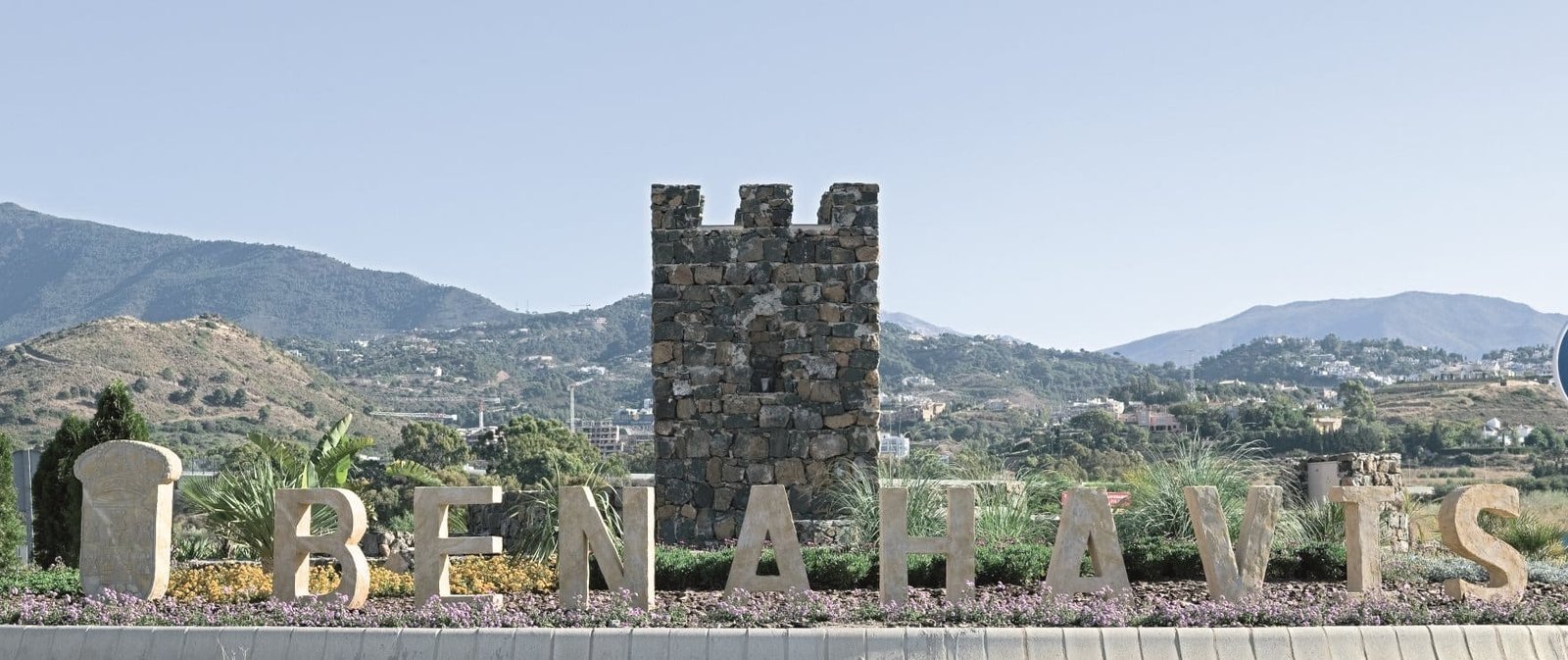
  • Why High-Net-Worth Buyers Are Quietly Choosing Benahavís in 2025

    Why High-Net-Worth Buyers Are Quietly Choosing Benahavís in 2025


    Why High-Net-Worth Buyers Are Quietly Choosing Benahavís in 2025

    In 2025, affluent buyers are increasingly focused on stealth wealth—and Benahavís, Spain, is meeting that demand. Behind the secure gates of elite communities like La Zagaleta and El Madroñal, residents enjoy biometric access, private roads, and drone-restricted airspace. In this market, privacy isn’t just a feature—it’s the value proposition.

    A Destination for Discreet Living

    Benahavís doesn’t rely on flashy tourism or nightlife. There are no neon signs or rooftop DJ sets. Instead, it offers quiet luxury: elevated terrain, inland seclusion, and a low-profile atmosphere that appeals to seasoned buyers—think architects, financiers, and global executives—who prioritize peace over visibility.

    Property interest surged in 2024, with searches up 18%. Benahavís quietly outpaced its noisier coastal neighbours, thanks in part to its distinct blend of nature, exclusivity, and planning control.

    Why Buyers Are Leaving the Cities

    More buyers from places like Notting Hill, Zurich, and Paris are making Benahavís their second—or even primary—residence. Why? It comes down to space, silence, and simplicity. This is a place where success doesn’t need to be explained, and quiet confidence replaces conspicuous consumption.


    The Geography of Better Living

    Benahavís is located just 7km from the coast, close enough for sea views but far enough to avoid the crowds and humidity. It’s:

    • 20 minutes to Marbella
    • 30 minutes to Estepona
    • 50 minutes to Málaga Airport

    The elevated position provides cooler summer temperatures and year-round serenity. Unlike tourist-heavy zones, Benahavís is a living community — home to international residents who value privacy, quality, and authenticity.


    What’s Available on the Market

    Benahavís is more than a village; it’s a municipality made up of several distinct residential zones. Here’s what’s on offer:

    La Zagaleta

    • Ultra-private gated estate
    • Properties with helipads, cinemas, staff quarters
    • Prices often exceed €10M

    El Madroñal & Monte Mayor

    • Pine-forested hills, modern villas, award-winning architecture
    • Homes range from €700,000 to €10M+

    Real de La Quinta & Tiara

    • Smart home developments with spa access and eco features
    • Walkable amenities, sea and mountain views

    Strict zoning and density limits protect long-term value. Unlike overbuilt coastal areas, Benahavís enforces careful urban planning, making property here both desirable and resilient.


    Sustainable Development on the Rise

    New developments are thoughtfully designed, not mass-produced. Leading projects like:

    • Be Lagom
    • Quercus Real de La Quinta

    These communities focus on sustainability—solar panels, rainwater systems, native landscaping—and appeal to buyers who care about design, efficiency, and investment value.


    A Culinary Hub Without Pretension

    Benahavís is widely known for its food, from hearty steaks at Amanhavis to nine-course tasting menus at Escuela de Hostelería, where future Michelin chefs train. The atmosphere is casual, but the culinary standards are high.

    Beyond the dining scene, residents enjoy:

    • Scenic hiking trails
    • Cycling routes and yoga retreats
    • High-end golf at Los Arqueros, La Quinta, El Higueral

    Here, the lifestyle is active but relaxed, and the views speak for themselves.


    Who’s Buying—and Why Now?

    Most buyers are:

    • In their 40s to 60s
    • Often entrepreneurs, remote executives, or semi-retired
    • Seeking peace of mind, long-term value, and low visibility

    They’re past the party scene and looking for legacy homes in a place where they don’t need to “keep up” or explain their success.


    Considering a Move to Benahavís?

    From private hilltop villas to modern gated homes, the market here is full of off-market opportunities. We have access to properties not listed online, and local expertise that includes:

    • Trusted builders
    • Under-the-radar listings
    • First-hand insights into every community


    📌 Want to explore options in Benahavís? Let us show you what’s really available—beyond the search portals.