Category: Uncategorized

  • Spain Digital Nomad Visa 2026 | Dubai Expats Moving to Spain

    Spain Digital Nomad Visa 2026 | Dubai Expats Moving to Spain

    Spain’s Digital Nomad Visa in 2026

    From Dubai to Europe: A Strategic Move for Globally Mobile Families
    Dubai skyline vs Costa del Sol lifestyle Spain relocation 2026

    For years, Dubai represented a near-perfect equation for internationally mobile families. Zero income tax. World-class infrastructure. Sunshine, security and a lifestyle that felt both elevated and efficient.

    But 2026 has introduced a new variable — one that few had priced in.

    Following escalating tensions in the Middle East and confirmed missile and drone incidents linked to the Iran conflict, the narrative around Dubai has shifted. Reports show that parts of the city have experienced disruption, with airspace interruptions, isolated strikes and a noticeable change in sentiment among expatriate communities.

    More importantly, the psychological shift has been immediate. For many affluent expats, the assumption of long-term stability — once Dubai’s greatest asset — has been called into question. Media reports indicate that thousands of foreign residents and tourists have already left the UAE as tensions escalated, with some describing the moment as an abrupt reality check.

    This is not about panic. It is about perspective.

    When global families reassess risk, they do not simply look for another tax haven. They look for balance — lifestyle, legal certainty, mobility, education, and long-term security. And increasingly, that search is leading to Europe.

    Costa del Sol relocation guide

    Spain’s Digital Nomad Visa in 2026

    Spain visa options

    Why Spain Is Emerging as the Natural Next Base

    Spain offers something Dubai never aimed to provide: permanence.

    It combines European legal stability, world-class healthcare, established education systems and a lifestyle that feels grounded rather than engineered. At the same time, it retains what many expats originally sought in Dubai — sunshine, international connectivity and a high quality of life.

    The introduction of Spain’s Digital Nomad Visa has quietly transformed the country into one of the most attractive relocation options in Europe. Unlike the former Golden Visa route, it does not require a €500,000 property investment. Instead, it allows globally mobile professionals to relocate based on how they work — not just how they invest.

    For families leaving or reconsidering life in the Gulf, this creates a compelling alternative: a European base with flexibility, rather than a return to high-tax systems in Northern Europe.

    What the Digital Nomad Visa Really Offers

    The Digital Nomad Visa is designed for non-EU nationals who work remotely for companies or clients outside Spain. It allows them to live in Spain while maintaining their international income structure.

    In practice, this means you can relocate your life without necessarily relocating your business.

    For employees, the role must be with a non-Spanish company. For self-employed professionals, a limited portion of Spanish-based activity is allowed, but international income must remain the core.

    This makes the visa particularly suited to:

    • Remote executives and senior professionals
    • Entrepreneurs and business owners
    • Consultants and international freelancers
    • Investors with active global income streams

    In other words, the exact profile that has historically been drawn to Dubai.

    Spain Digital Nomad Visa requirements

    Spain Digital Nomad Visa income requirement 2026

    A More Stable Version of the “Tax-Efficient Lifestyle”

    Dubai built its reputation on zero income tax. Spain approaches the concept differently — but, for many, more sustainably.

    Under Spain’s special impatriate tax regime, often referred to as the Beckham regime, qualifying individuals may be taxed at a flat rate of 24% on employment income up to €600,000 for a fixed period.

    This is not tax-free, but it can be highly competitive when combined with:

    • Much lower living costs
    • European legal protection
    • Access to the Schengen Area
    • A long-term residency pathway
    • A stable and diversified economy

    For many expats leaving the Middle East, the decision is no longer about paying zero tax at all costs. It is about balancing tax efficiency with long-term security.

    Spain tax guide for expats

    Spain Digital Nomad Visa comparison

    Moving to Spain in 2026: Spanish visa overview

    Why the Costa del Sol Stands Out

    Within Spain, the Costa del Sol has emerged as one of the most natural landing points for globally mobile families.

    It offers a lifestyle that feels familiar to former Dubai residents — but with a different rhythm. There is space. There is greenery. There is history. And there is a sense of permanence that is difficult to replicate in newer global cities.

    The Marbella–Benahavís–Estepona corridor, in particular, combines:

    • Luxury gated communities and private villas
    • International schools within short driving distance
    • Golf, beach clubs and wellness infrastructure
    • Excellent connectivity via Málaga Airport

    For many relocating families, this is where the transition feels seamless. The lifestyle remains elevated — but becomes more grounded, more balanced, and ultimately more sustainable.

    Family guide to moving to the Costa del Sol

    Schools in and around Benahavís

    Healthcare in Spain for expats

    Luxury homes in Benahavís

    A Strategic Move — Not a Reaction

    The most sophisticated relocations are not driven by fear. They are driven by foresight.

    Dubai remains a global hub, and it will continue to be one. But recent events have reminded many expats of a simple truth: geography still matters.

    For families who have built wealth, flexibility and international income streams, the next step is often about diversification — not just of assets, but of lifestyle.

    Spain, and particularly the Costa del Sol, offers that diversification in a way that feels both aspirational and practical.

    Final Thought

    The Digital Nomad Visa is not just a visa. It is a repositioning tool.

    It allows globally mobile individuals to move from a purely tax-driven lifestyle to one that balances tax efficiency, stability, family life and long-term opportunity.

    For many currently based in Dubai or the wider Middle East, that shift is already underway.

    And for those considering their next move, Spain is no longer a secondary option. It is becoming the first serious alternative.

    Download our full guide to moving to Spain

    Important Note

    This article is for general information only and does not constitute legal or tax advice. Eligibility for Spain’s Digital Nomad Visa and associated tax regimes depends on individual circumstances. Professional advice should always be obtained before making relocation or investment decisions.
    Find Your Home in Benahavis

    [siteorigin_widget class=”WP_Widget_Custom_HTML”][/siteorigin_widget]
    [siteorigin_widget class=”WP_Widget_Custom_HTML”][/siteorigin_widget]
  • 10 Reasons to Choose Benahavís | Luxury Living Guide

    10 Reasons to Choose Benahavís | Luxury Living Guide

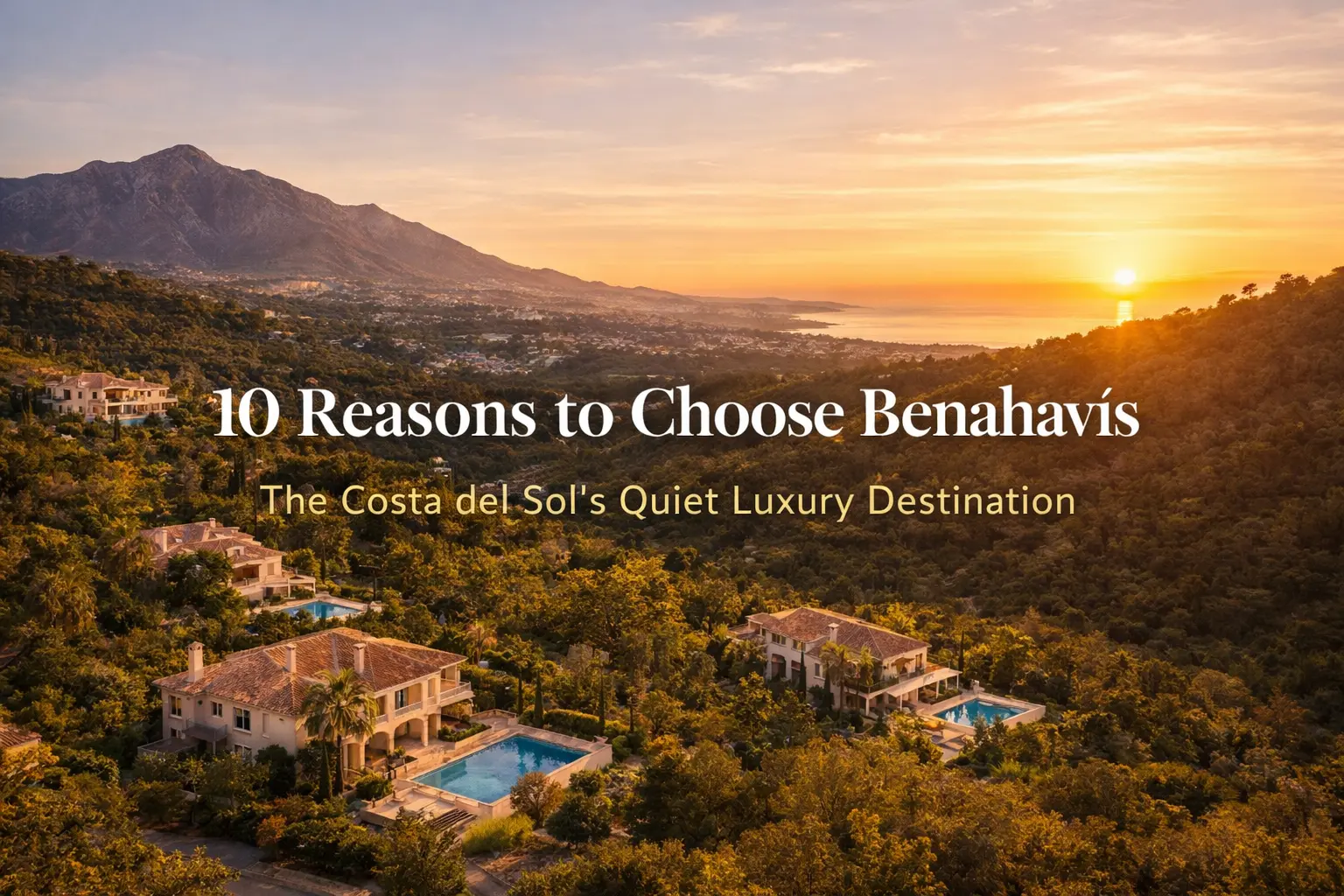
    10 Reasons to Choose Benahavís

    Why So Many Buyers Choose Benahavís for a Home or Holiday Home


    Luxury view across Benahavís with mountains, greenery and Mediterranean light

    Some destinations impress at first glance. Others reveal their appeal slowly, through the rhythm of daily life. Benahavís belongs firmly to the second category. Quietly refined, beautifully positioned and consistently sought after, it has become one of the Costa del Sol’s most desirable places to own a primary residence, a second home or a holiday retreat.

    Set just inland from Marbella and Puerto Banús, Benahavís offers a rare combination of privacy, scenery, quality of life and convenience. It is close to the coast, yet feels protected from its pressure. It is exclusive, yet remains grounded in nature. And while it is known for luxury property, golf and fine dining, its real appeal lies in something broader: the ease and elegance of living well.

    From low-density surroundings and panoramic views to international schools, strong connectivity, lower local taxes and a wide choice of homes, this is a destination that makes sense both emotionally and practically. Here are 10 reasons to choose Benahavís — and why so many people decide to stay.

    1. Space, Nature and a Sense of Calm

    One of the most distinctive qualities of Benahavís is its feeling of openness. The municipality covers a large protected area of hills, valleys and river corridors, with planning that has historically favoured low-density development and generous plot sizes. The result is immediate: more breathing room, more privacy and more visual space.

    Views often stretch across golf fairways, mountains, woodland and, in many locations, all the way to the Mediterranean. Even in established residential communities, the atmosphere feels noticeably calmer than in denser coastal areas.

    Nature is not an occasional luxury here. It is part of everyday life — from sunset terraces and pine-covered hills to riverside walks and the changing colours of the landscape throughout the year.

    Panoramic mountain and countryside views in Benahavís

    2. Close to Marbella and Puerto Banús, Without the Noise

    Location is one of Benahavís’ greatest strengths. While the municipality feels private and tucked away, it sits within easy reach of Marbella, Puerto Banús, San Pedro Alcántara and Estepona. This means residents can enjoy beaches, shopping, marinas, restaurants and nightlife within a short drive, then return to a home environment that feels more peaceful and residential.

    That balance is increasingly rare on the Costa del Sol. Benahavís allows you to stay connected to everything that matters without being immersed in the bustle of busier resort zones.

    For many buyers, this is not simply convenient — it is essential. Coastal access remains fast and practical, yet the everyday experience of coming home feels entirely different.

    3. A Lifestyle That Works Beautifully Day to Day

    Benahavís is not just attractive in brochure terms. It functions exceptionally well in real life. Supermarkets, healthcare, banks, gyms, golf clubs and professional services are all within easy reach, while the village itself offers character, charm and an enduring social atmosphere.

    This is a place where daily routines feel elevated rather than interrupted. Morning exercise, coffee on a terrace, school runs, golf, long lunches and evening dining all fit naturally into the week. Life tends to feel active, outdoors-oriented and relaxed at the same time.

    That is precisely why Benahavís appeals not only to holiday-home buyers, but also to full-time residents who want a setting that feels luxurious without becoming impractical.

    4. Golf Is Woven Into the Landscape

    Benahavís is one of the Costa del Sol’s standout golf settings, home to or surrounded by some of the region’s most respected courses, including La Quinta, Los Arqueros, El Higueral and Villa Padierna. For golfers, that means outstanding access. For homeowners, it also means something else: beautifully maintained surroundings and permanently green, open views.

    Golf communities here are not purely about sport. They shape the visual identity of the area, preserve space between developments and contribute to the sense of refinement that defines much of the municipality.

    Whether you play regularly or simply appreciate the environment that golf creates, it is a meaningful part of what makes Benahavís so appealing.

    5. Benahavís Has a Dining Reputation of Its Own

    For many years, Benahavís village has been known as the dining room of the Costa del Sol. Its restaurant scene is one of the municipality’s signature attractions, with a strong concentration of traditional Andalusian cooking, Mediterranean flavours and increasingly refined modern dining.

    There is a warmth to dining here that feels authentic rather than overly curated. Terraces stay lively, service feels personal and meals tend to unfold slowly. It is one of the rare places where the atmosphere is as memorable as the menu.

    For owners, this culinary identity adds another layer to daily life and strengthens Benahavís’ appeal as both a permanent base and a holiday destination.

    Restaurant terrace in Benahavís village during the evening

    6. International Schools Are Within Easy Reach

    Families are drawn to Benahavís for many of the same reasons as second-home owners — space, privacy, safety and quality of life — but access to education is a particularly important advantage. International schools in nearby Atalaya, San Pedro and Marbella make daily school runs realistic from many parts of the municipality.

    That includes British, bilingual and international options, which allows families to combine an international education with a home setting that feels greener, calmer and more residential than many coastal alternatives.

    For parents, the attraction is obvious. For children, the benefit is just as strong: a lifestyle with room to grow, time outdoors and a setting that feels stable and secure.

    7. Lower Local Taxes Add to the Appeal

    Not every advantage is visible at first glance. One of Benahavís’ quieter strengths is its reputation for lower local taxes and comparatively manageable running costs, particularly when measured against some neighbouring municipalities.

    For owners, lower IBI and modest annual basura charges can make a noticeable difference over time. While tax should never be the sole reason to choose a location, it certainly becomes an important factor once ownership begins.

    In Benahavís, these practical benefits sit comfortably alongside the lifestyle advantages, giving buyers both emotional appeal and everyday value.

    Luxury hillside home in Benahavís with scenic views and privacy

    8. Property Choice Is Broad and Sophisticated

    Benahavís appeals to a wide variety of buyers because the property offer is unusually broad. The market includes golf apartments, elegant townhouses, family villas, designer homes and ultra-private estates, all within the same municipality.

    This diversity is one of the area’s great strengths. It gives buyers flexibility, supports long-term demand and ensures Benahavís does not depend on one narrow segment of the market. Whether the goal is a lock-up-and-leave holiday property, a spacious family residence or a landmark home with exceptional privacy, there is genuine choice here.

    That breadth also helps explain why Benahavís remains so resilient and relevant to different buyer profiles year after year.

    9. Limited Supply Helps Support Long-Term Value

    Benahavís has largely avoided the overdevelopment that has affected some more densely built parts of the Costa del Sol. Protected land, planning control and enduring demand have helped create a market defined more by scarcity than by excess.

    For buyers, this matters. It means the qualities they are buying into — views, space, privacy and natural surroundings — are not easily reproduced elsewhere. Limited supply and a strong lifestyle proposition have historically supported value and made the municipality feel more resilient over time.

    That does not simply make Benahavís attractive. It makes it reassuring.

    Wide sea and mountain views from a Benahavís property

    10. It Offers a Rare Version of Costa del Sol Luxury

    Ultimately, the strongest reason to choose Benahavís is also the hardest to quantify. It is not just about homes, golf, restaurants or schools, although all of those matter. It is about the overall feeling of the place.

    Benahavís offers a more understated, more spacious and more natural version of luxury — one built on privacy, views, calm and everyday livability rather than noise or display. For many buyers, that distinction is exactly what makes it so compelling.

    It is a location that works for holidays, yet feels substantial enough for permanent living. It is scenic without being isolated, exclusive without being inaccessible, and elegant without losing its authenticity.

    The Essence of Benahavís

    Space and nature. Fast connectivity. Golf and dining. International schools. Lower taxes. Long-term value. A broad choice of homes.

    Together, these qualities explain why Benahavís continues to attract families, second-home owners and long-term buyers looking for something more enduring than a typical coastal address.

    For those seeking a home or holiday home on the Costa del Sol, Benahavís remains one of the most persuasive choices of all — not because it tries too hard, but because it gets the balance so beautifully right.

    Related Reading

    Explore more insights into life in Benahavís — from property trends and buyer profiles to lifestyle, history and the areas that define this unique part of the Costa del Sol.

    New Developments in Benahavís (2026)

    A curated overview of the latest off-plan villas and projects shaping the future of the area.


    Benahavís Urbanisations Guide

    Understand the key residential areas, from La Quinta to La Zagaleta and beyond.


    Retiring in Benahavís (2026 Guide)

    Why more international buyers are choosing Benahavís for long-term living and retirement.


    Why Tech Leaders Are Choosing La Zagaleta

    A closer look at ultra-prime demand and the global buyers shaping the market.


    Benahavís International Buyers (2026)

    Who is buying in Benahavís today and what they are looking for.


    Renovated Homes & Expats in Benahavís

    How lifestyle-led buyers are transforming traditional homes into modern spaces.


    The History & Character of Benahavís

    Discover the origins, culture and identity that define the municipality today.


    Sunset over Benahavís showing peaceful luxury living on the Costa del Sol

    Looking for a home outside Benahavís?
    Holiday Homes Spain
    covers the whole Costa del Sol.

    [siteorigin_widget class=”WP_Widget_Custom_HTML”][/siteorigin_widget]
  • New Developments in Benahavís (2026 Guide)

    New Developments in Benahavís (2026 Guide)

    New Developments in Benahavís (2026)

    A Complete Guide from Entry-Level Apartments to Ultra-Prime Villas


    Benahavís has quietly become one of the most dynamic new-build markets on the Costa del Sol. From walkable village apartments to architect-designed villas in gated hillside resorts, the municipality now offers a full spectrum of property — both in price and lifestyle.

    This guide explores the most relevant new developments in Benahavís, ordered by entry price, giving a clear view of how the market evolves from accessible off-plan opportunities to some of Southern Europe’s most exclusive residential concepts.

    All prices are correct as of 2nd April 2026. Any current developer incentives or promotions are stated where known and are typically valid until the end of March 2026, although some may be extended or revised.

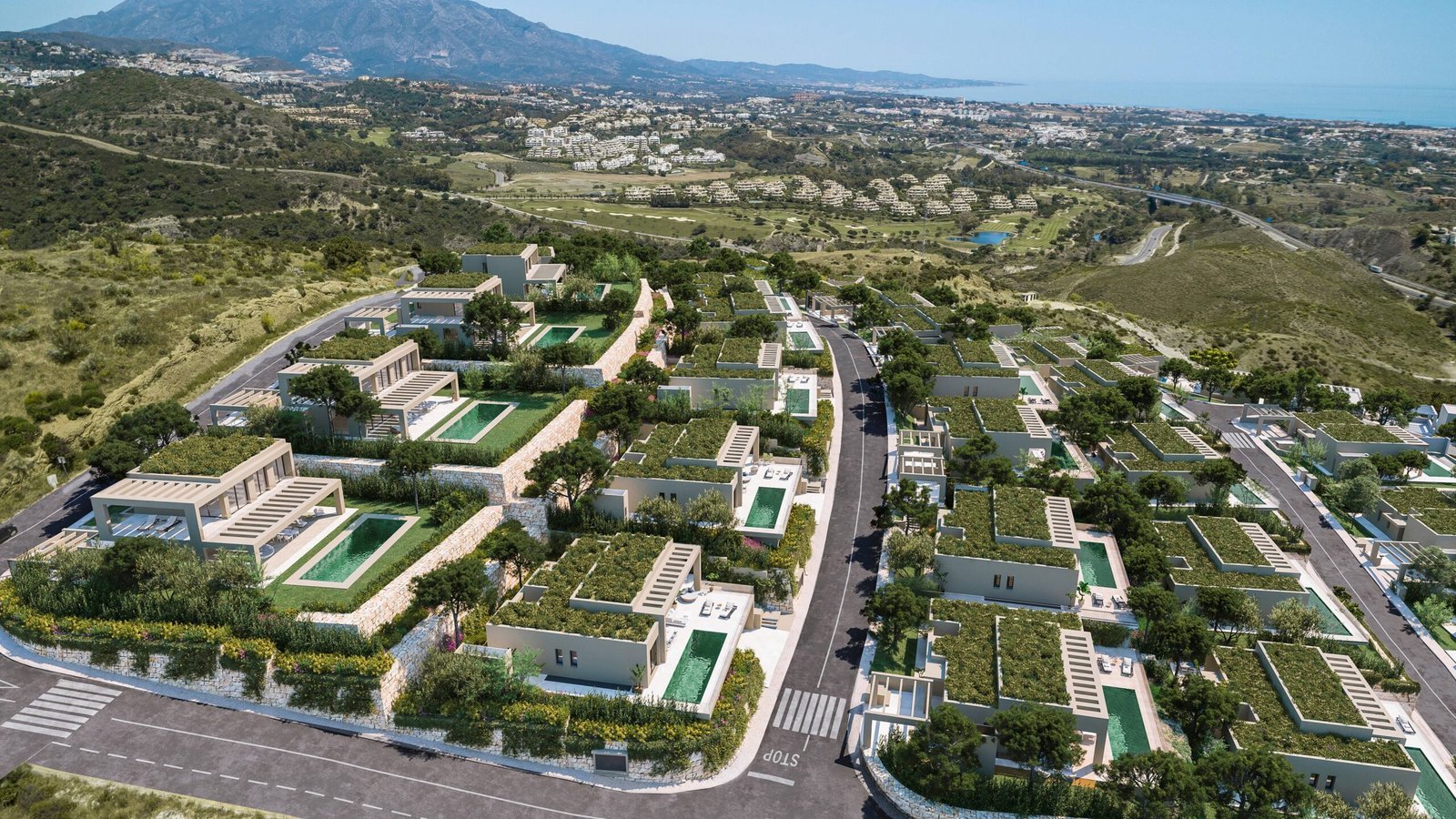
    New developments in Benahavís aerial view

    Entry-Level New Developments: Village Living and First-Step Investments

    Fuente Lirios — from €400,000
    Set in the heart of Benahavís village, Fuente Lirios offers a rare opportunity to enjoy true walkable living. With modern apartments, rooftop amenities and immediate access to restaurants and daily essentials, it appeals to buyers prioritising lifestyle, convenience and long-term rental flexibility.

    Special offer: Furniture voucher (valid until end of April 2026, subject to extension).

    Altura 160 — from €499,000
    Located in La Alquería, Altura 160 combines contemporary design with elevated views across golf and coastline. Spacious terraces, shared resort-style facilities and strong value positioning make it particularly appealing to buyers seeking a balance between lifestyle, investment potential and modern architecture.

    Special offer: Furniture incentives (valid until end of April 2026, subject to extension).

    Azurean Marbella — from €709,000
    Azurean introduces a hospitality-led residential concept, combining private ownership with hotel-style services and rental flexibility. Designed for both personal use and income generation, it stands out as a forward-thinking option for buyers seeking convenience, service and long-term investment potential.

    Special offer: Pre-launch pricing phase (limited early-buyer window).

    Marbella Club Hills — from €830,000
    Set within expansive green surroundings, Marbella Club Hills offers low-density living with generous space and established infrastructure. It appeals to buyers who prioritise privacy, nature and a more mature community setting over early-stage off-plan developments or highly condensed resort environments.

    The View Marbella — from €949,000
    One of the most recognised developments in the area, The View Marbella is defined by its elevated position and uninterrupted sea views. With 4 bed key-ready units in Phase 1 from €2,450,000, it offers immediate enjoyment alongside high-spec finishes and strong long-term positioning.

    Modern apartment terrace views Benahavís

    Mid-Market to Premium: Design, Views and Lifestyle Positioning

    Solenne — from €990,000
    Solenne is a boutique development focused on refined design, privacy and architectural coherence. With a limited number of residences, it offers a more intimate living environment, appealing to buyers who value exclusivity, modern aesthetics and a quieter alternative to larger resort-style communities.

    Romero, Real de La Quinta — from €1,150,000
    Romero provides one of the most accessible entry points into the Real de La Quinta masterplan. It combines contemporary design with a resort-style setting, offering buyers early access to a growing ecosystem of amenities, nature and long-term capital appreciation potential.

    Enebros Fase II — from €1,490,000
    Enebros represents one of the most exclusive phases within Real de La Quinta, with a stronger emphasis on privacy, architectural identity and integration with the natural landscape. It is aimed at buyers seeking a more distinctive and design-led residential experience.

    Mimosas Fase II — from €1,800,000
    Mimosas Phase II elevates the offering within Real de La Quinta, delivering larger residences, enhanced positioning and more expansive views. It is designed for buyers seeking a higher level of comfort, space and architectural refinement within a well-planned resort environment.

    Mimosas Fase I — from €2,100,000
    As one of the earlier premium phases, Mimosas Phase I offers established positioning, larger layouts and elevated specifications. It appeals to buyers who prioritise proven product, panoramic views and a more mature setting within the broader Real de La Quinta development.

    Enebros Fase I — €2,200,000
    Last availabe 4 bedroom garden apartment in one of the most exclusive buildings within Real de La Quinta, with a stronger emphasis on privacy, architectural identity and integration with the natural landscape. It is aimed at buyers seeking a more distinctive and design-led residential experience.

    Tiara — from €1,550,000
    Located in La Quinta, Tiara is characterised by expansive interiors, large terraces and uninterrupted views. Designed for lifestyle-driven buyers, it prioritises space, light and indoor-outdoor living, making it particularly attractive for full-time residents rather than purely investment-focused purchasers.

    Modern apartment terrace views Benahavís

    Luxury and Ultra-Prime: Villas, Branded Concepts and Statement Living

    The Sky Marbella — from €1,495,000 (apartments) / €5,995,000 (villas)
    The Sky Marbella is a flagship development blending high-end apartments and contemporary villas. Defined by bold architecture, expansive terraces and private pools, it represents a shift towards larger-scale, design-led living within one of Benahavís’ most sought-after hillside locations.

    Finca de Jasmine Sky — from €2,400,000
    Finca de Jasmine Sky introduces a refined collection of modern villas with a strong focus on clean lines and natural integration. Designed to maximise views and privacy, it appeals to buyers seeking contemporary architecture within a calm, elevated and landscaped environment.

    La Finca de Jasmine — from €2,650,000
    La Finca de Jasmine expands on the concept with larger homes, increased plot sizes and a greater sense of privacy. It is positioned for buyers who want more space and a stronger sense of individuality while maintaining a cohesive architectural identity.

    Altura Residences — from €3,995,000
    Altura Residences is a boutique collection of architect-designed homes with a focus on precision, materials and spatial flow. With very limited availability, it appeals to buyers who prioritise exclusivity, design integrity and a highly curated residential experience.

    Vista Lago — from €6,395,000
    Vista Lago stands out for its bold architectural vision and panoramic lake and sea views. Each villa is individually designed, creating a collection of statement homes that combine innovation, scale and a strong connection to the surrounding natural landscape.

    El Bosque Phase II — from €8,250,000
    El Bosque Phase II represents ultra-prime living at its most refined, with expansive villas set within a highly private environment. Designed for discretion and space, it appeals to buyers seeking a secure, prestigious setting with exceptional build quality and positioning.

    Tierra Viva — from €8,488,653
    Tierra Viva introduces a distinctive branded concept inspired by Lamborghini design. Combining striking aesthetics with advanced engineering and luxury finishes, it targets buyers looking for a unique statement property that merges automotive inspiration with high-end residential living.

    Other detached villas — from €1,950,000+
    Across Benahavís, a growing selection of detached villas continues to emerge, ranging from contemporary new builds to bespoke architectural projects. This segment offers flexibility in design, location and price, making it one of the most diverse and evolving parts of the market.

    We have a few of these listed in our new developments collection but we have access to many more. Let us know your budget, the number of bedrooms required and whether off-plan or key-ready and we will send you a selection of villas which match your requirements.

    What This Means for Buyers

    Benahavís is no longer a single market — it is a layered ecosystem where each price bracket reflects a distinct lifestyle and buyer intention.

    At the lower end of the market, buyers are typically prioritising accessibility, rental potential and ease of ownership. These developments often offer structured incentives, making them particularly attractive for first-time buyers or those seeking a flexible investment.

    As pricing moves into the mid-market, design, views and overall living experience begin to play a more central role in decision-making. Buyers here are less focused on incentives and more on long-term enjoyment, positioning and architectural quality.

    At the top end, the focus shifts entirely towards privacy, architecture and long-term positioning. Ultra-prime developments rarely rely on discounts — instead, value is driven by scarcity, design pedigree and location within the municipality’s most prestigious settings.

    Importantly, incentives remain selective. Entry-level developments may offer furniture packages or early-phase pricing advantages, while premium and ultra-prime projects tend to prioritise exclusivity over promotional activity.

    For buyers, the opportunity often lies in timing. Early-stage launches can provide attractive entry pricing, while later phases and key-ready properties offer certainty, immediate use and reduced development risk.

    FAQs

    • Are prices negotiable on new developments in Benahavís?
      Generally, pricing is fixed by developers, particularly in early phases. However, incentives such as furniture packages or payment structures may provide flexibility in overall value.
    • Which developments are best for rental investment?
      Lower-priced and hospitality-led developments tend to offer the strongest rental potential, particularly those with services or licensing structures suited to short-term or seasonal letting.
    • Is it better to buy off-plan or key-ready?
      Off-plan purchases often provide better pricing and payment flexibility, while key-ready properties offer certainty, immediate use and the ability to assess the finished product before buying.
    • What additional costs should buyers expect?
      As a guide in Andalucía, allow roughly ~10% on a resale property and ~12–13% on new builds. This includes taxes, legal fees, notary and registration costs.
    • Why is Benahavís so popular for new developments?
      Its combination of natural surroundings, proximity to Marbella, and availability of land has made it one of the most desirable areas for modern, design-led developments on the Costa del Sol.

    Explore More


    Looking for a new development outside Benahavís?
    Holiday Homes Spain
    covers the whole Costa del Sol.

    [siteorigin_widget class=”WP_Widget_Custom_HTML”][/siteorigin_widget]
  • La Quinta: golf-led living in Benahavís

    La Quinta: golf-led living in Benahavís

    La Quinta: golf-led living in Benahavís


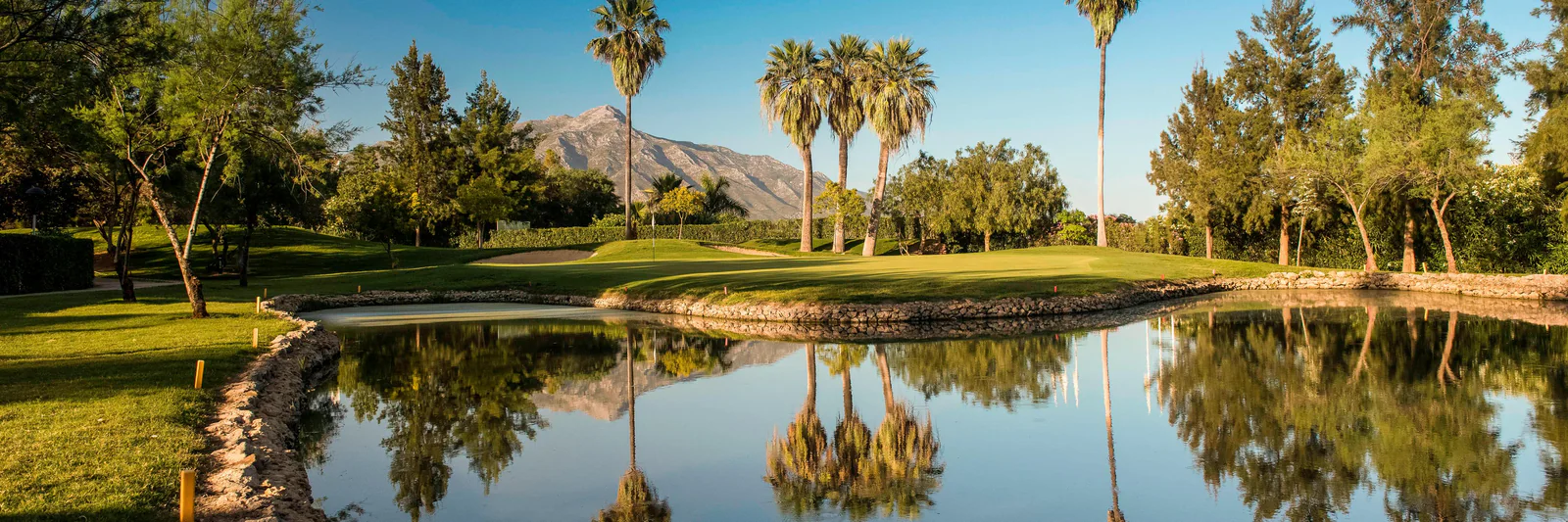
    La Quinta Golf in Benahavís with La Concha mountain reflected across the lake

    La Quinta is one of those places where golf shapes the landscape — but not the entire lifestyle. While the fairways and lakes are central to its character, what draws people to live here is the balance between greenery, views and everyday convenience.

    Set in the Benahavís hills just above Marbella, La Quinta feels calm and established rather than resort-like. Homes are woven around the course rather than imposed on it, which gives the area a residential rhythm that works year-round.

    If you’re considering a golf-led location but don’t want to feel isolated or transient, La Quinta often sits near the top of the shortlist.

    What “golf-led living” really means in La Quinta

    In La Quinta, golf is part of daily life — but not in an overpowering way. Many homes look onto fairways or lakes, which creates open sightlines and a sense of space that’s hard to replicate elsewhere.

    Even for non-golfers, the course brings practical benefits: lower density, protected views, and well-maintained surroundings. Morning walks, evening light over the greens, and cooler summer air are all part of the experience.

    It’s less about being “on a golf resort” and more about living alongside a landscape that happens to be beautifully kept.

    Landscape, light and views

    One of La Quinta’s defining features is its setting. The area sits in a natural bowl between the Benahavís hills and the Sierra Blanca, with La Concha mountain forming a dramatic backdrop.

    Depending on elevation and orientation, homes can enjoy golf views, mountain scenery, lakes, and — in some cases — open Mediterranean vistas. South and south-west facing properties tend to be particularly sought after for light and winter sun.

    This mix of outlooks is one reason prices and demand vary noticeably between nearby communities.

    Homes and community feel

    La Quinta isn’t dominated by one property type. Instead, you’ll find a blend of apartments, townhouses and villas spread across a number of distinct communities.

    Many apartment developments are gated, with landscaped gardens and shared pools, making them practical for both full-time living and lock-up-and-leave use. Villas, meanwhile, tend to sit on larger plots with privacy and views as the priority.

    What ties it together is a settled, international community — not a seasonal resort atmosphere.

    Location, access and daily convenience

    La Quinta’s position is one of its strongest practical advantages. You’re typically 10–15 minutes from San Pedro, Puerto Banús and the beaches, with straightforward routes rather than long mountain drives.

    International schools, supermarkets, medical services and sports facilities are all within easy reach, which makes La Quinta popular with families and year-round residents.

    Most households rely on a car, but compared with more remote hillside areas, day-to-day logistics here feel simple.

    Who La Quinta suits best

    La Quinta tends to appeal to buyers who value environment and lifestyle, but still want easy access to the coast and amenities.

    It works particularly well for couples and families looking for a calm base, golfers who want regular access without living in a resort bubble, and buyers who plan to use their home frequently rather than occasionally.

    It’s also a common choice for those downsizing from larger villas while staying in a premium setting.

    Related reading & next steps

    If you’re weighing La Quinta against other Benahavís neighbourhoods, it’s worth understanding how daily life, pricing and community feel differ between areas.

    For practical guidance on daily life, schools, visas and buying property in Spain, explore our Resources & Buyer Guides.

    Explore homes in La Quinta

    If you’d like help comparing specific La Quinta communities — whether your priority is views, sun, low running costs or proximity to golf — we can point you in the right direction.

    View the La Quinta area guide →

    [siteorigin_widget class=”WP_Widget_Custom_HTML”][/siteorigin_widget]
  • Carnival Season in Málaga — 2026 Guide (Plus Marbella, Benahavís & Estepona)

    Carnival Season in Málaga — 2026 Guide (Plus Marbella, Benahavís & Estepona)

    Carnival Season in Málaga — 2026 Guide

    (Plus Marbella, Benahavís & Estepona)


    Just when it feels like the Costa del Sol has finally exhaled after Christmas and Three Kings, Andalucía proves it has another gear. Carnival season arrives with sequins, satire and street music — and it’s less about watching a “show” than joining in. You’ll see families in costumes at lunchtime, friends drifting between plazas at night, and local singing groups turning everyday life into theatre.

    What’s on in Málaga Carnival 2026 poster

    Why Carnival feels so “Andalucía”


    Carnival has deep roots across Spain as the playful build-up to Lent, but in Andalucía it has a very particular flavour: humour, wordplay and community participation. The stars of the season are the chirigotas and comparsas — singing groups who perform witty, often satirical songs that comment on daily life, culture and politics. Some performances are polished and competitive; others are spontaneous, unfolding in the streets when you least expect it.

    Málaga Carnival 2026


    Málaga is the big, easy-to-reach Carnival choice for much of the Costa del Sol. You can do it spontaneously (an evening in the historic centre), or plan around the headline dates if you want the full experience. In 2026, the season builds from the singing competition into the main street celebrations, finishing with the much-loved closing traditions.


    1) The COAC (singing groups competition) — the “brains” of Carnival
    If you love wordplay and local humour, try to catch at least one COAC night. It’s where the best groups compete and where many of the jokes and songs you’ll later hear in the streets begin their life. Tickets and details are published through Teatro Cervantes and the official Carnival channels.


    Key COAC dates (2026): Semifinals run from 1–4 February, with the Grand Final on 6 February (Teatro Cervantes).
    Useful links: Teatro Cervantes listings  |  COAC 2026 ticket info

    COAC contest at Teatro Cervantes during Málaga Carnival 2026

    2) The street celebrations — the “heart” of Málaga Carnival
    Once the competition wraps up, Carnival becomes a street festival. You’ll find performances and events across the centre (and often in neighbourhoods too), with daytime family moments and livelier evenings. If you only do one day, aim for a Saturday afternoon into evening — it’s the easiest way to absorb the atmosphere without over-planning.


    Street programme period (2026): The main street Carnival runs 7–15 February, with standout moments including the Drag Gala / Battle of Flowers and the closing Boquerón traditions.

    Official programme links: Carnaval de Málaga site  |  Entierro del Boquerón listing

    A simple “best day” plan for Málaga


    If you want Carnival without stress, keep it simple: arrive mid-afternoon, wander through the historic centre, follow the sound of music, and leave yourself time for tapas. Málaga Carnival is at its best when you let it unfold in front of you.


    Easy itinerary: early dinner in the centre → a plaza performance → a slow walk down Calle Larios → a final drink near the old town before heading back along the coast.

    Carnival nearby: Marbella, Benahavís & Estepona


    One of the joys of Carnival season is how each town does it differently. Málaga has scale and buzz, while the coastal municipalities often feel more local and family-led — still lively, but easier to enjoy with children or as an early-evening plan.


    Marbella
    Marbella’s Carnival usually blends community events and theatre nights with a short burst of street celebration later in the month. In 2026, you’ll see organised events earlier (such as Carnival group competitions), and then the main celebration dates published for the town towards the end of February.
    Useful links: Marbella Carnival dates  |  Concurso de agrupaciones (11–12 Feb)  |  Final (20 Feb)


    Benahavís
    Benahavís tends to keep Carnival intimate and community-led — the kind of event where families show up in costume, neighbours recognise each other, and the village feels especially warm. Dates and timings are often confirmed close to the day, so it’s worth checking official channels before you plan.
    Check updates: Ayuntamiento Facebook  |  Ayuntamiento Instagram


    Estepona
    Estepona’s Carnival is a great “two-day” option if you want a lively programme that’s still easy to navigate. In 2026 it runs on 7–8 February, with daytime performances, contests and a big evening programme (including the Drag Queen Gala).
    Official details: Ayuntamiento programme

    Málaga Carnival 2026 parade atmosphere with costumes and daytime celebrations

    Practical tips (so you enjoy it like a local)


    Wear comfortable shoes, bring a light layer for the evening, and don’t over-plan. If you’re heading to Málaga on a peak day, arrive a little earlier than you think — the centre fills up fast. And if you want the culture behind the costumes, book one COAC night and you’ll start catching the jokes everywhere else.

    For more seasonal ideas around Benahavís (events, weather and weekend plans), you can also browse our What’s On in Benahavís hub. And if you’re pairing Carnival with a food-focused day out, our dining guide is a great place to start.

    More events coming soon


    If you’re visiting and want a quick recommendation (best day to go, easiest parking, or which Carnival suits your vibe), email us at info@benahaviscollection.com and we’ll point you in the right direction.

    Two Málaga Carnival performers in ornate feathered masks and dramatic face paint

    Málaga Carnival street performance with colourful costumes, confetti and streamers

    [siteorigin_widget class=”WP_Widget_Custom_HTML”][/siteorigin_widget]
  • Property Portals vs Local Specialists: What Buyers Should Know

    Property Portals vs Local Specialists: What Buyers Should Know

    Property portals versus local property specialists in Spain

    Property Portals vs Local Specialists: What Buyers Should Know


    Property portals are usually where a Spanish home search begins. They’re easy to browse, highly visual, and they quickly give you a feel for what different areas cost.

    That said, portals aren’t designed to be a “truth layer”. They’re designed to show volume. So the key is knowing what they’re brilliant for — and what they can’t reliably tell you once you’re ready to take action.

    If you understand the difference early, you’ll save time, avoid the classic frustrations, and make much better decisions when you start booking viewings.

    What portals are genuinely useful for

    Used well, portals are a great way to get your bearings. Think of them as a market overview tool: they help you form a sense of price bands, what different styles look like, and which neighbourhoods keep coming up in your searches.

    In the early stage, you’re not trying to find “the one” — you’re trying to narrow your focus. Portals help you do that quickly, especially if you keep your filters fairly broad and pay attention to patterns rather than individual listings.

    Best way to use a portal: collect ideas, spot patterns, and shortlist areas — then verify the specific listings once you’re ready to view.

    Where portals start to fall short

    The problems usually appear when buyers move from browsing to enquiry. Suddenly, you’re not looking for inspiration — you’re trying to build a real viewing list. That’s when accuracy matters, and portals can be inconsistent.

    For example, a property might still be online even though it sold weeks ago. Or the same home appears multiple times under different agencies — sometimes with different prices, different photos, or a description that doesn’t quite match reality.

    And occasionally, a listing looks almost suspiciously good for the price. Sometimes that’s a genuine opportunity. More often, there’s a catch — or it’s simply not available in the way the advert suggests.

    “If it looks too good to be true…”

    One of the most frustrating experiences for buyers is getting excited about a property, enquiring, and then hearing something like: “It has just gone under offer this week.”

    Sometimes that’s true. However, in many cases, the listing was never realistically available — it existed to generate enquiries. Once contact is made, the conversation shifts to “similar alternatives”, which may be very different from what caught your eye in the first place.

    A simple rule of thumb: If a listing is significantly better priced than everything comparable around it, there’s usually a reason — and it’s rarely a hidden bargain.

    Airplane landing in Malaga with tourists and people on viewing trips in Spain

    Once flights and viewing days are involved, accuracy matters far more than volume.

    Why accuracy matters once you’re planning viewings

    As soon as flights, accommodation and viewing days are involved, the cost of “getting it wrong” goes up. A portal can show you hundreds of options, but what you really need at that stage is a short list you can trust.

    It’s also worth remembering that portal prices rarely reflect the true cost of buying. In Andalucía, purchase taxes and buying fees sit outside the headline price — so your real budget should include that from the beginning. If you haven’t seen the breakdown yet, start here: purchase costs in Andalucía.

    We update our listings daily, and every property on our site clearly shows the date it was added, so you can see what’s genuinely current.

    Where a local specialist changes the experience

    A good local specialist doesn’t replace portals. Instead, they add the missing layer portals can’t provide: context, verification and judgement.

    That starts with a simple but important step: confirming whether a property is genuinely available and viewable. From there, the real value is helping you understand what the advert can’t tell you — how the community feels on the ground, whether the layout works for how you’ll live, and what your ongoing costs are likely to be.

    Running costs are a classic blind spot on portals. Community fees, local taxes, and maintenance can vary hugely between developments, and they matter just as much as the purchase price. If you’d like a simple explanation, this guide helps: community fees & running costs explained.

    One point of contact — full market access

    We collaborate with all other agencies and developers active in Benahavís. So if you see something on a portal, we can usually arrange a viewing — but we won’t simply pass your details on and hope for the best.

    Instead, we verify listings first, remove duplicates and dead ends, and then help you use your time properly when you’re in Spain. If you’re planning a trip, this guide explains how to structure it so you don’t waste days driving back and forth: how to make the most of a Spanish property viewing trip.

    In practice, this usually means:

    fewer wasted enquiries • fewer “already sold” moments • a tighter viewing plan • and much clearer decisions

    Final thoughts

    Portals are a useful starting point — but they’re not the full story. The best results come from combining online research with local verification and honest guidance, especially once you’re spending money and time on a viewing trip.

    If you’re still at the planning stage, this practical overview can also help: buyer’s checklist for purchasing in Spain.

    Keys to new home on the Costa del Sol, Spain


    [siteorigin_widget class=”WP_Widget_Custom_HTML”][/siteorigin_widget]
  • Spain Budget Rejection: Non-Lucrative Visa 2026 Impact

    Spain Budget Rejection: Non-Lucrative Visa 2026 Impact


    Long-term residents in Spain reviewing visa requirements

    What Spain’s State Budget Rejection Means for Non-Lucrative Visa Holders in 2026


    If you live in Spain — or are planning to move here — on a non-lucrative visa (NLV), one of the key questions heading into 2026 is whether you’ll need to demonstrate higher savings or passive income.
    In short: the latest budget situation in Madrid makes it more likely than not that the financial threshold will remain unchanged.

    If you’re still weighing up residency routes, start with our overview of Spain’s visa options and the dedicated hub for Visa Options (Legal & Residency).

    What Is the Non-Lucrative Visa?

    The non-lucrative visa is one of the most common ways for non-EU nationals to reside in Spain without working locally. It’s often used by retirees or those with reliable passive income, because the core requirement is to prove you can support yourself (and any dependants) without a Spanish salary.

    For a practical, step-by-step explanation of eligibility, documents and typical timelines, see: Non-Lucrative Visa Spain (2025 guide).
    If you’re specifically concerned about taxation while living here, you may also find this helpful: Do I have to pay tax in Spain on the non-lucrative visa?

    How the Financial Requirement Is Calculated

    The minimum savings / passive income required for the NLV is based on Spain’s IPREM (Indicador Público de Renta de Efectos Múltiples). IPREM is a government reference index used across multiple areas (subsidies, grants, legal aid thresholds and more).

    In 2025, the IPREM is:

    • €600 per month
    • €7,200 per year

    NLV holders must generally demonstrate:

    • 400% of annual IPREM for the main applicant (€28,800)
    • +100% of annual IPREM for each dependant (€7,200 per year)

    As a simple example, a couple applying together typically needs to show around €36,000 in qualifying savings or passive income for the first year.

    For renewal periods (commonly two years), the requirement is generally higher because you must cover a longer timeframe.

    If you want a deeper dive into what counts as acceptable proof (bank statements, pensions, investment income and how consulates interpret them), read: Spain visa financial requirements (2025).

    For the broader residency admin context (including NIE essentials), see: Residency & NIE essentials
    and our standalone guide: NIE number Spain (expats guide).

    Why the 2026 Requirement Is Unlikely to Increase

    This is the key point: IPREM is updated through Spain’s General State Budget. Without an approved budget, IPREM typically remains frozen at its current level.

    Spain is entering 2026 without a newly approved national budget, following another failed attempt in Congress in December 2025.

    As a result, it is highly plausible that IPREM — and therefore the NLV financial threshold — stays the same throughout 2026.

    Could the Rules Still Change in 2026?

    Yes, it’s possible. If a budget is later approved, the government could update IPREM during the year. However, given recent voting dynamics, many observers expect the status quo to continue unless there is a significant political shift.

    It’s also worth noting that IPREM has not increased every year since it was created. That’s why the non-lucrative visa threshold often remains stable, unlike the digital nomad visa where financial requirements are tied to salary benchmarks that tend to move more frequently.

    If you’re comparing these options, see: Digital Nomad Visa (DNV) in Spain and
    Spain digital nomad visa requirements.

    What This Means for Non-Lucrative Visa Holders in 2026

    Barring an unexpected budget agreement, the practical takeaway is straightforward:

    • Most applicants and renewals should expect no increase in the NLV financial threshold during 2026
    • IPREM-based requirements are likely to remain aligned with 2025 figures
    • Planning is easier, because the goalposts are less likely to move mid-process

    Even so, consulate and immigration office interpretations can vary, and documentation standards can be strict.

    If you’re preparing a move (or renewal) it helps to have the wider “buyer’s admin” checklist covered too: Buyer’s checklist and the step-by-step Buying process in Spain.

    Related Reading

    [siteorigin_widget class=”WP_Widget_Custom_HTML”][/siteorigin_widget]
  • School Bus Benahavís | Transport for Atalaya & Daidín

    School Bus Benahavís | Transport for Atalaya & Daidín

    School Buses & Transport Options for Families in Benahavís


    Parents doing the school run near Atalaya International College in Benahavís

    For many families moving to the Costa del Sol, a key question is simple: what will the school run look like in real life?

    In Benahavís, most parents rely on a mix of school buses, car journeys and occasional walking or cycling routes, depending on the child’s age and where they live.

    This guide gives a practical overview of school bus options and everyday transport habits for families with children at Atalaya International College and CEIP Daidín, along with tips on choosing the right neighbourhood for an easier daily routine.

    For a deeper look at schools themselves, see our Education & Childcare guide and the dedicated pages for Atalaya International College and CEIP Daidín.

    How Families Typically Handle the School Run

    In Benahavís and the Atalaya–La Alquería corridor, the school run is usually a combination of:

    • School buses serving key pick-up points along the coast and inland.
    • Parents driving from nearby neighbourhoods such as Atalaya, La Alquería, Capanes del Golf and Benahavís village.
    • Older students occasionally cycling or walking short stretches, depending on routes and daylight.

    Many families start with a car-based routine when they first arrive, then gradually move to bus routes or shared lifts once they know the area and have settled into a community of other parents.

    School Transport for Atalaya International College Families

    Atalaya International College draws families from Benahavís, Marbella and Estepona. Many parents choose to live in Atalaya, La Alquería or Capanes del Golf so the journey stays around 5–10 minutes by car in normal traffic.

    • Car journeys: Most parents use the car for at least one of the daily runs, combining drop-offs with commuting or errands on the coast road.
    • Bus routes: The school typically offers bus services with pick-up points aligned to popular residential areas.
    • Neighbourhood choice: Living in Atalaya, La Alquería or Capanes del Golf keeps the route simple
      and avoids long detours through town centres.

    If you are house hunting with Atalaya International College in mind, our dedicated Homes Near Atalaya International School collection is a practical way to compare locations and drive times.

    Getting to CEIP Daidín in Benahavís Village

    For families using CEIP Daidín, the picture is slightly different. Many live in the village itself or in nearby developments above the river road and treat the school day as part of everyday village life.

    • Village families often walk or make very short car journeys for drop-off and pick-up.
    • Parents in Capanes del Golf or La Alquería usually drive up the valley, often combining the school run with work or shopping trips.
    • Parking habits and timings quickly become part of your daily rhythm, especially during busy morning drop-off windows.

    For more context on Daidín and the village school community, see our CEIP Daidín guide.

    Walking, Cycling & Everyday Safety

    Short walking routes are realistic in and around Benahavís village and in certain parts of Atalaya, particularly for older children. However, most families still favour the car or school bus for convenience and safety, especially on routes that cross main roads.

    • Younger children usually travel by car or bus, even over short distances.
    • Cycling tends to be an option for confident teens familiar with local traffic patterns.
    • Families often choose homes with easy access to main roads to simplify the daily route.

    If an easy walk to school is a priority, our Family Life in Benahavís guide gives more detail on village layouts, parks and everyday routines.

    How We Help Families Plan the School Run

    As parents with first-hand experience of local schools, we know that the right home is about more than bedrooms and views. It is also about realistic school runs, bus options and how your day will feel from Monday to Friday.

    When you share your children’s ages, likely schools and work locations, we can suggest specific neighbourhoods, outline typical drive times and curate properties that keep daily life as simple as possible.

    [siteorigin_widget class=”WP_Widget_Custom_HTML”][/siteorigin_widget]
  • Why the Costa del Sol beats London, New York & Toronto

    Why the Costa del Sol beats London, New York & Toronto

    Cost of Living:

    Costa del Sol vs London, New York and Toronto in 2026

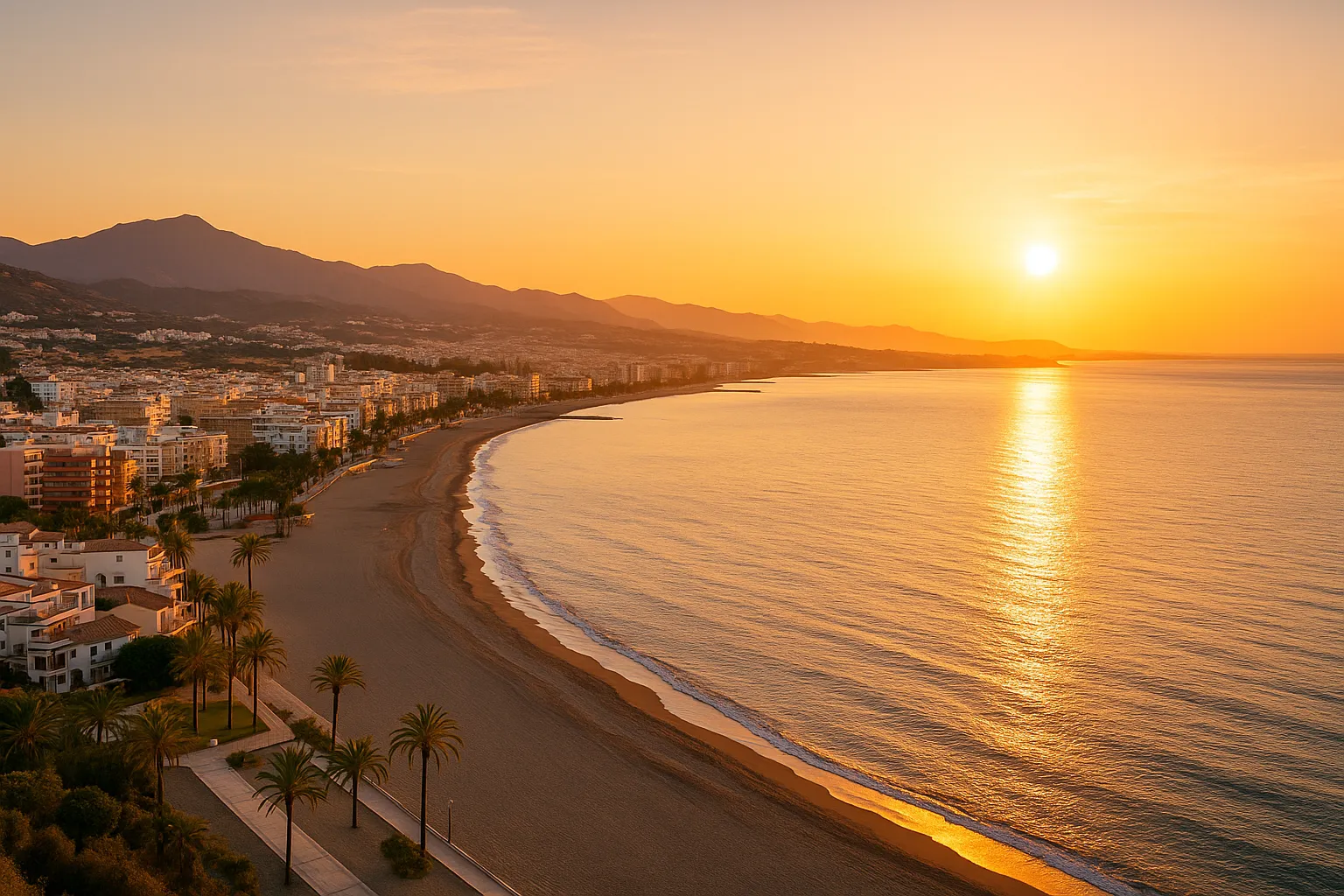
    Costa del Sol coastline at golden hour – cost of living Costa del Sol vs London New York Toronto

    “Living on the Costa del Sol in 2026 costs significantly less than life in London, New York or Toronto — while offering 300 days of sunshine and a calmer, more outdoor lifestyle.”

    More people than ever are asking a simple question:

    “Is there somewhere I can live better — not just cheaper?”

    For many, the answer is yes: the Costa del Sol. Sunshine, lower everyday costs, Mediterranean food culture and strong international communities make the region one of Europe’s most appealing places to relocate.

    This guide compares the cost of living on the Costa del Sol vs London, New York and Toronto using realistic 2026 figures, so you can see how far your money really goes.

    Living Costs on the Costa del Sol (2026)

    The Costa del Sol remains one of Europe’s best-value regions for day-to-day living, especially when you compare it with major English-speaking cities. Mild winters help keep utility bills down, fresh produce is affordable, and household insurance is typically a fraction of what residents pay in the UK, US or Canada.

    Fresh produce in Malaga market – cost of living Costa del Sol vs London New York Toronto
    Fresh produce at Málaga’s local markets keeps weekly food costs under control.

    Typical monthly spending for a couple (Costa del Sol)

    For two adults living a comfortable, non-extravagant lifestyle in Málaga and surroundings, a realistic monthly budget looks like this:

    • Groceries & eating out: €700–850
    • Utilities & telecoms (electricity, water, internet, mobiles): €200–260
    • Local transport: €35–50
    • Insurance (home + car combined): €650–1,050/year (≈ €55–88/month)

    Typical total monthly spend (excluding rent or mortgage): €1,000–1,200

    For most people moving from London, New York or Toronto, that alone is a big adjustment: bills become more predictable and manageable, and a larger share of your income goes on lifestyle rather than fixed costs.

    Jump to your city

    See the full cost of living breakdown, lifestyle notes and real examples:

    London ->
    New York ->
    Toronto ->

    London: Cost of Living Breakdown (2026)

    London remains one of the world’s most expensive cities. Energy prices, transport and insurance are all significantly higher than in southern Spain, and many households feel that most of their income disappears on basics before they even think about going out.

    Monthly costs for a couple in London (excluding rent)

    • Food & dining: £760–950/month
    • Utilities & telecoms: £320–450/month
    • Public transport (Zone 1–3 style pass): £170+/month
    • Insurance (home + car): £900–1,600/year (≈ £75–133/month)

    Typical total monthly spend (excluding rent or mortgage): £1,450–1,800 (≈ €1,700–2,100)

    Property snapshot: London vs Costa del Sol

    • London 2-bed flat: £575,000–750,000
    • London 3-bed townhouse: £1.05–1.30m
    • Costa del Sol 3-bed townhouse: €575,000–725,000

    For many London homeowners, selling a family house can fund an outright purchase on the Costa del Sol with money left over, turning a mortgage payment into additional income.

    Real example: selling in London → moving to Spain

    Imagine a London couple selling a £1.2m semi-detached home. After agent and legal fees, they might walk away with roughly £1.16–1.17m.

    On the Costa del Sol, they buy a modern townhouse in a gated community for around €700,000, plus approximately €70,000 in purchase costs. Their total outlay is roughly €770,000.

    That leaves a substantial amount of released equity which, invested modestly at 3–4% per year, can help offset monthly costs and provide a meaningful lifestyle cushion.

    Monthly non-housing costs:

    • London: £1,450–1,800
    • Costa del Sol: €1,000–1,200 (often noticeably lower even with a similar lifestyle)

    Summary: in this scenario, the couple lives mortgage-free, reduces monthly spending and can often cover a meaningful part of their new lifestyle from investment income alone.

    New York City: Cost of Living Breakdown (2026)

    New York offers incredible energy and opportunity, but everyday costs add up fast — especially groceries, eating out and insurance. For many New Yorkers, moving to Spain feels like taking the pressure off without giving up big-city connections.

    Monthly costs for a couple in NYC (excluding rent)

    • Food & dining: $1,250–1,650/month
    • Utilities & telecoms: $360–500/month
    • Public transport (MetroCard / OMNY): $132+/month
    • Insurance (home + car): $2,800–4,500/year (≈ $235–375/month)

    Typical total monthly spend (excluding rent or mortgage): $2,100–2,800 (≈ €1,950–2,600)

    Property snapshot: New York vs Costa del Sol

    • 2-bed condo (Manhattan): $1.9–2.6m
    • Costa del Sol 2-bed apartment: €300,000–420,000
    • Costa del Sol detached villa: €750,000–1.15m

    Real example: selling in NYC → moving to Spain

    A New York couple sells a two-bedroom Manhattan condo for around $2.0m and nets roughly $1.85m after closing costs. They purchase a high-quality Costa del Sol townhouse for around €770,000 all-in (roughly $830,000–860,000, depending on exchange rate).

    Capital released: often close to (or above) $1.0m. Invested at 3–4% annually, that can generate meaningful income — frequently enough to offset a large share of living costs in Spain, before considering pensions or other income.

    Monthly non-housing costs:

    • New York City: $2,100–2,800
    • Costa del Sol: €1,000–1,200 (≈ $1,080–1,320, exchange-rate dependent)

    Summary: many New Yorkers find they can reduce fixed expenses dramatically, turn home equity into income, and swap crowded commutes for a Mediterranean lifestyle with sunshine and outdoor living.

    Toronto: Cost of Living Breakdown (2026)

    Toronto’s cost of living has risen sharply over the past decade. Groceries, utilities, mobile phone plans and insurance are among the highest in the world — and homeowners also face substantial property tax and water bills.

    Monthly costs for a couple in Toronto (excluding mortgage)

    The figures below reflect a typical two-adult household with two cars and a detached or semi-detached home:

    • Food & dining: C$1,700–2,300/month
    • Utilities & telecoms (heat, electricity, internet, mobiles): C$700–900/month
    • Insurance (home + 2 cars): C$720–900/month (based on ~C$8,600–10,800/year)
    • Public transport (TTC): C$160–175/month (more if paying for parking and tolls when driving into the city)

    Core monthly spend (excluding property tax & water): C$3,280–4,275

    Property tax, water and other municipal charges

    On top of that, most Toronto homeowners pay significant municipal charges:

    • Property tax: typically C$4,800–7,200/year (≈ C$400–600/month)
    • Water & sewage: typically C$1,300–2,000/year (≈ C$110–170/month)

    When you include property tax and water, the true non-mortgage monthly cost for many Toronto households rises to around:

    C$3,850–5,050 per month (≈ €2,600–3,400, exchange-rate dependent)

    Property snapshot: Toronto vs Costa del Sol

    • Toronto 2-bed condo: C$850,000+
    • Toronto 3-bed townhouse: C$1.25m+
    • Toronto detached house: C$1.6–2.2m+ (area-dependent)
    • Costa del Sol 3-bed townhouse / semi-detached: €575,000–725,000

    Real example: selling in Toronto → moving to Spain

    A Toronto family sells a 3-bedroom detached home in a desirable neighbourhood for around C$1.55m and nets roughly C$1.49m after fees. They purchase a Costa del Sol townhouse in a modern community with pool and gardens for about €770,000 all-in.

    Their everyday costs also change dramatically. Instead of spending C$3,850–5,050 each month on food, utilities, telecoms, insurance, transport, property tax and water, they now spend around:

    €1,000–1,200 per month in Spain (often roughly C$1,500–2,000, exchange-rate dependent).

    Summary: for many Toronto households, moving to the Costa del Sol meaningfully reduces monthly outgoings, while swapping long winters for a climate where outdoor life is possible most of the year.

    People walking along a Costa del Sol beach in winter sunshine – cost of living Costa del Sol vs London New York Toronto
    Year-round outdoor living: beaches, golf courses, hiking routes and coastal walks.

    Why So Many People Choose the Costa del Sol

    The financial savings are important, but for most people the real attraction is how different everyday life feels. Instead of planning your week around bills, weather and commuting, you start planning it around daylight, terraces and time outside.

    • Around 300 days of sunshine per year
    • Outdoor cafés, coastal walks, golf and hiking as part of normal life
    • Excellent public healthcare and affordable private options
    • Safe, international communities with English widely spoken
    • Easy flights back to the UK, Europe, Canada and the US

    Many people who move from London, New York or Toronto say the biggest change is not just lower costs, but a lighter, calmer daily rhythm: fewer long commutes, more time outside, and the feeling that they are finally getting value from the money they spend.

    How much do I need per month on the Costa del Sol?

    Everyone’s lifestyle is different, but these ballpark figures are a useful starting point:

    • Comfortable couple (excluding housing): most two-adult households live well on around €1,000–1,200 per month for food, utilities, telecoms, local transport and insurance.
    • Comfortable couple (including rent or mortgage): adding a mid-range long-term rental or modest mortgage, many couples find that a total budget of around €2,100–2,800 per month provides a very comfortable lifestyle in much of the Costa del Sol.
    • Single professional or remote worker: a single person can often cover non-housing costs on €750–950 per month, with total budgets from around €1,600–2,050 including rent (depending on location and housing choice).

    These are guide figures only, but the pattern is clear: for many people relocating from London, New York or Toronto, the Costa del Sol offers a noticeably lower monthly outlay for a similar – or better – standard of living.

    Snapshot: Monthly Cost Comparison (Two Adults, Excl. Housing)

    This snapshot brings everything together. It shows realistic 2026 monthly costs for two adults, excluding rent or mortgage payments.

    Costa del Sol: €1,000–1,200 per month
    (guide for two adults living comfortably)
    London: £1,450–1,800 per month
    (≈ €1,700–2,100)
    New York City: $2,100–2,800 per month
    (≈ €1,950–2,600)
    Toronto (incl. property tax & water): C$3,850–5,050 per month
    (≈ €2,600–3,400)

    Key Takeaways for 2026

    • Costa del Sol living costs are typically 35–55% lower than in London, New York or Toronto for similar lifestyles (excluding housing).
    • Food, utilities and insurance are dramatically cheaper in southern Spain, and bills are more predictable.
    • Property prices often offer significantly better value than in major English-speaking cities, especially for two- and three-bedroom homes.
    • Many movers can sell once, buy outright in Spain and release equity to invest or use as a lifestyle cushion.
    • Beyond the numbers, most people report a better quality of life — more time outside, less financial pressure and a calmer daily rhythm.

    Related Guides & Resources

    Planning a move to the Costa del Sol?

    Download our guide to moving to Spain, which includes sections on visas, healthcare, education and retirement. These resources will also help:

    Final Summary: Why the Costa del Sol Wins on Cost of Living in 2026

    When you combine lower living costs, better-value property, predictable household expenses, sunshine, outdoor living and a calmer pace of life, the Costa del Sol becomes one of the most compelling relocation and retirement choices for 2026.

    For many people leaving London, New York or Toronto, the reality is simple:
    life on the Costa del Sol is not only cheaper — it is richer, healthier and more enjoyable.

    “In 2026, the Costa del Sol offers a richer lifestyle — for less.”
    moodarse.com/